

 Trusted Ally Staff
Clinton Engineer Works: Approved for EEOICPA benefits
 Trusted Ally Staff : Oct 2, 2026, 10:31:27 AM
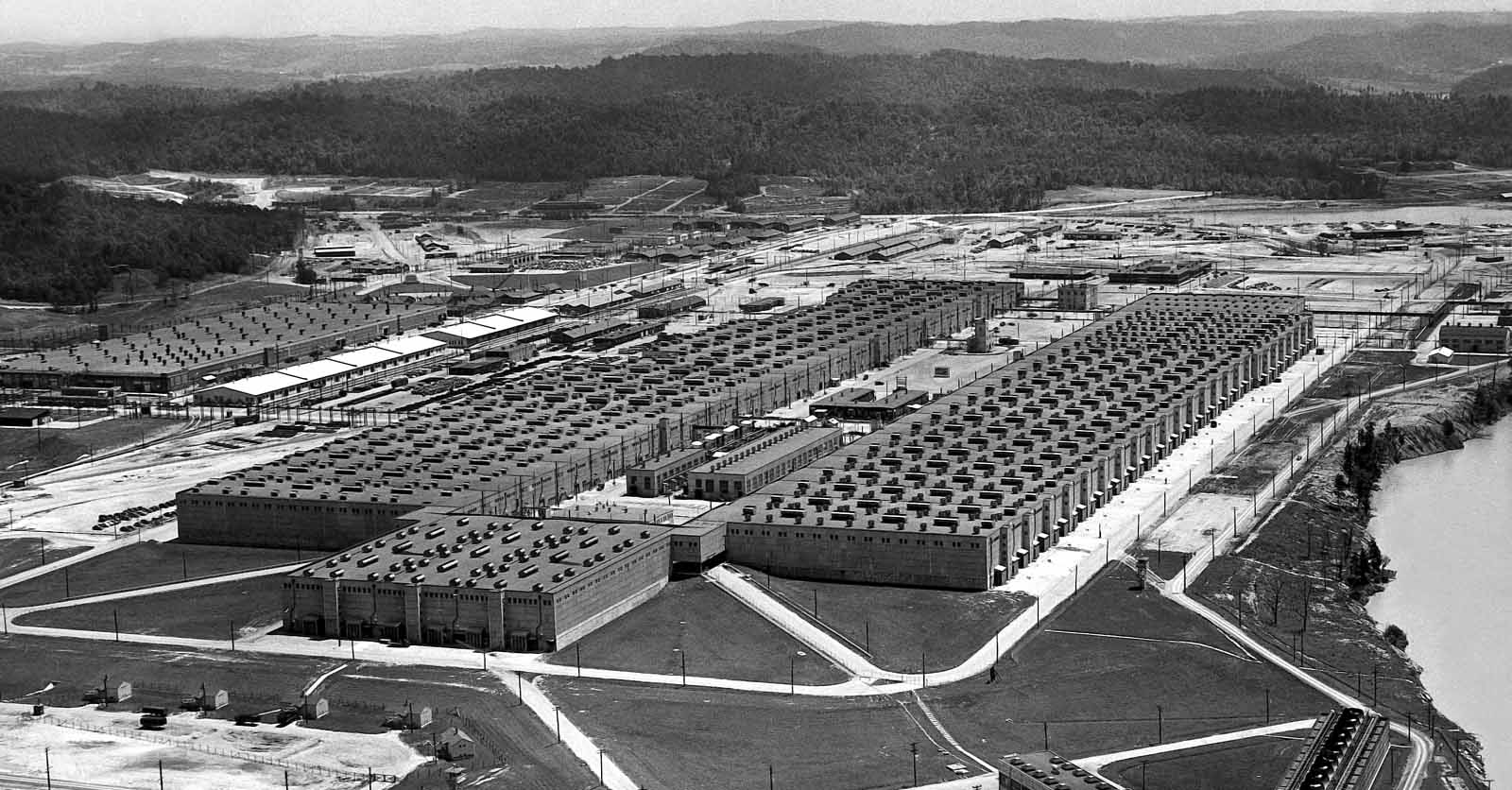
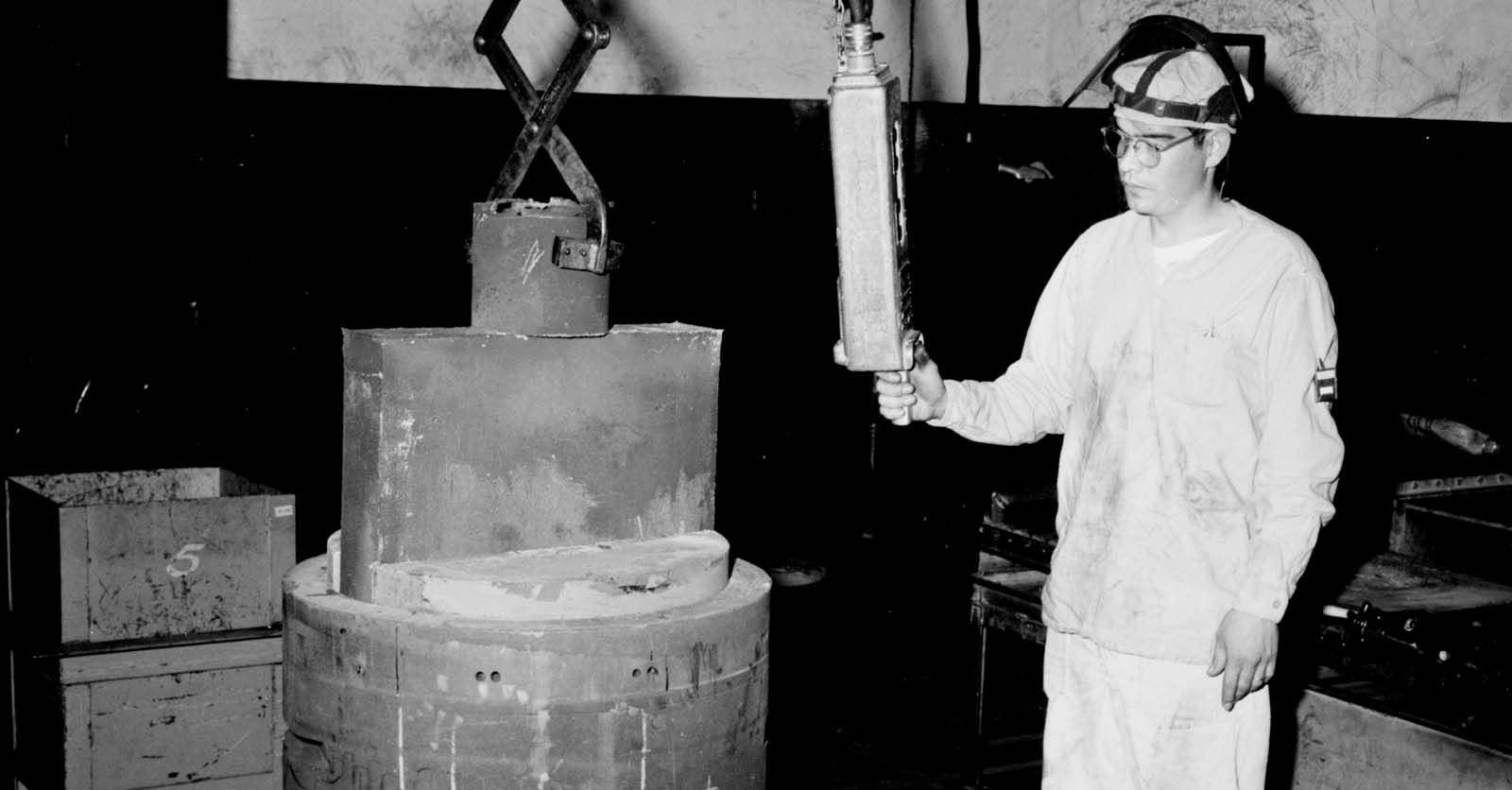
Image: View of depleted uranium ingot and mold in foundry.
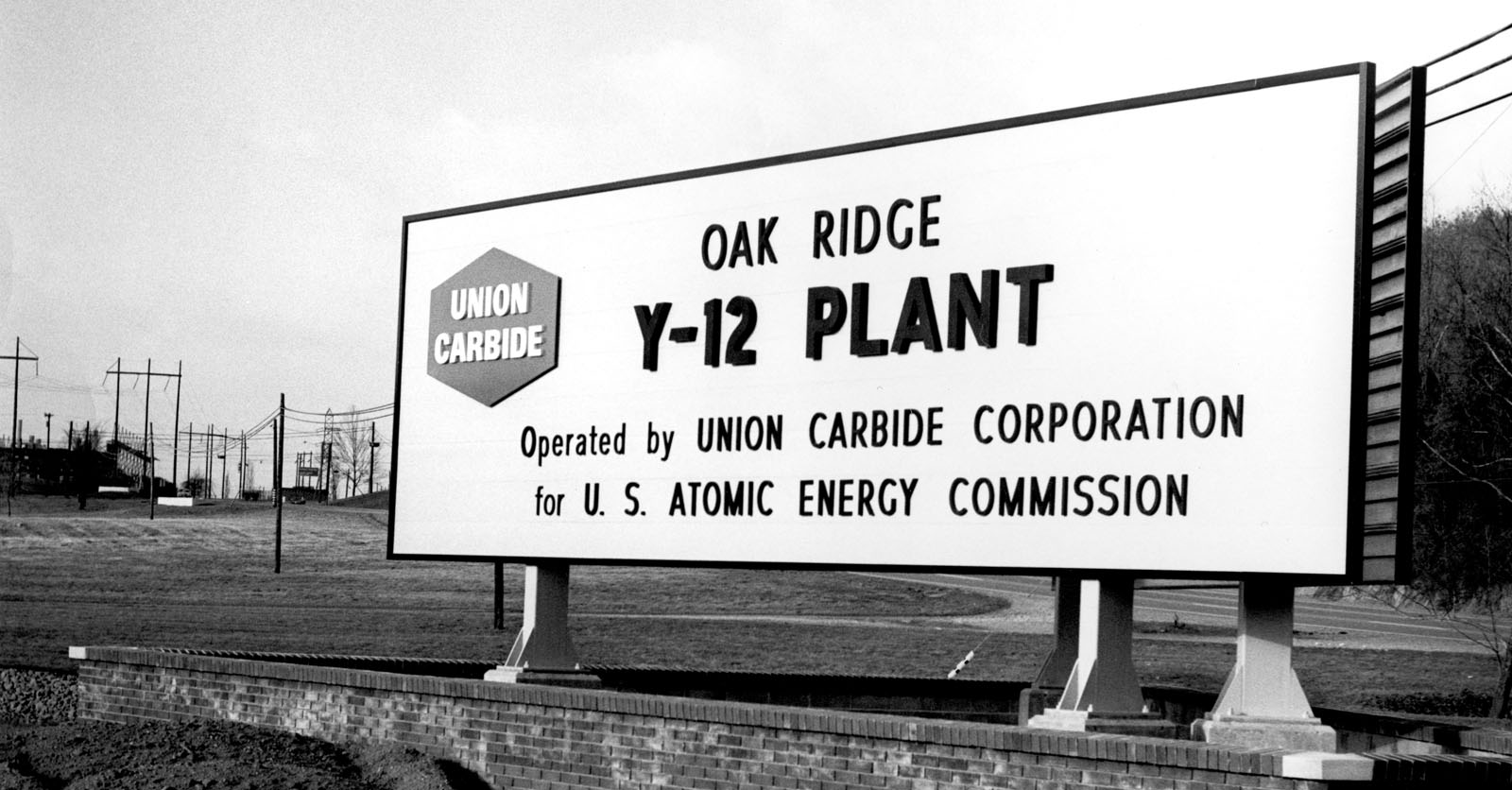
Hidden in the hills of eastern Tennessee, the Oak Ridge Gaseous Diffusion Plant (K-25) was once one of the most important (and secret) industrial facilities in the United States. Located within the larger Oak Ridge Reservation in Tennessee, K-25 helped produce the enriched uranium used in the world’s first nuclear weapons.
For decades, the plant employed thousands of workers and played a major role in the Cold War nuclear arms race. But behind the scientific breakthroughs and wartime urgency was another story. One of worker exposure, environmental contamination, and the long effort to clean up one of the largest nuclear facilities ever built. Many workers who helped build and operate the K-25 plant did not learn the full scope of their work until years later, after the atomic bombings of Hiroshima and Nagasaki revealed the scale of the Manhattan Project.
K-25 was built during the early 1940s as part of the Manhattan Project, the massive government effort to develop the first atomic bomb before Nazi Germany. Construction began in 1943 under intense wartime pressure, and the scale of the facility was staggering. The main building was constructed in a massive U-shape and, at the time, was the largest building in the world under one roof.
The plant’s purpose was to enrich uranium, a complex scientific process necessary for producing nuclear weapons. Natural uranium contains only a small amount of uranium-235, the isotope capable of sustaining a nuclear chain reaction. At K-25, engineers used a process called gaseous diffusion to separate uranium-235 from uranium-238. Uranium was converted into uranium hexafluoride gas and pushed through thousands of special barriers that slowly concentrated the desired isotope.
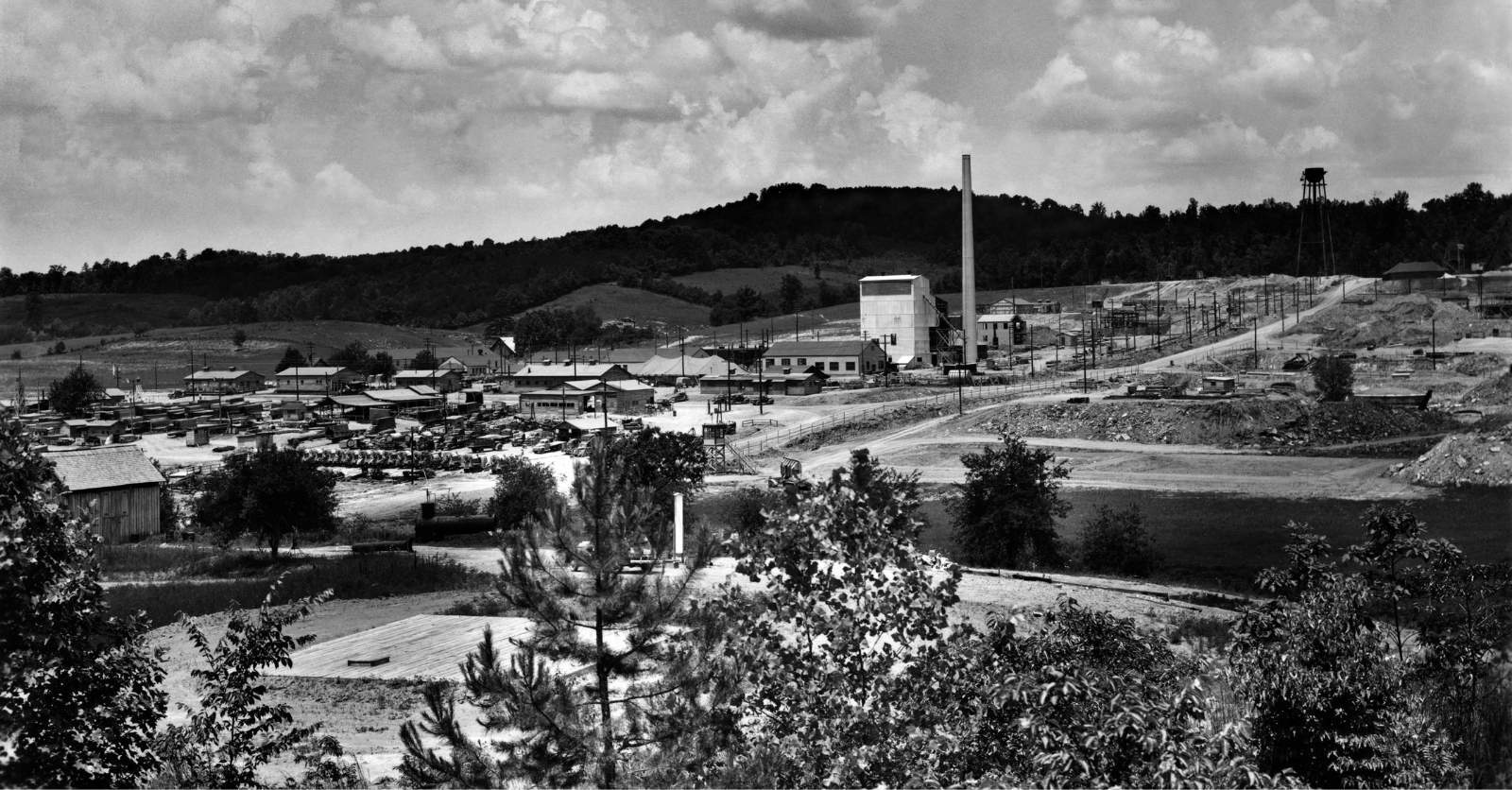
1942: After evaluating various potential sites, the U.S. Army Corps of Engineers selected Oak Ridge, TN as a secure location for uranium enrichment. This location was chosen because of its many advantages, including abundant electricity from the Tennessee Valley Authority (TVA), access to rail transportation, and a relatively isolated rural landscape that could remain secret. Construction started promptly and was massive in scale.
1943: During the peak of construction, tens of thousands of workers were involved in building the plant and its supporting infrastructure. The facility stretched nearly half a mile in length after completion. Inside were thousands of diffusion stages designed to gradually separate uranium-235 from uranium-238 using uranium hexafluoride gas.
1945: With the start of the new year, the plant began producing enriched uranium that was shipped to other Manhattan Project facilities for further refinement. This enriched uranium also ultimately contributed to the August 6th atomic bomb dropped on Hiroshima, Japan. Many workers were unaware they were helping build an atomic weapon.
1946-1960s: After World War II ended, the U.S. Atomic Energy Commission (AEC) was created to oversee nuclear weapons production and atomic research. K-25 became one of the country’s primary uranium enrichment facilities during the early days of the Cold War, supplying materials for both nuclear weapons and reactor fuel. The plant expanded significantly during these years with the addition of many new buildings, including K-27, K-29, K-31, and K-33, which were all constructed to increase enrichment capacity. Employment at the Oak Ridge complex also grew dramatically, with thousands of workers involved in plant operations, maintenance and research.
1964: The original K-25 diffusion building ceased enrichment operations during this year, though other nearby diffusion facilities at Oak Ridge continued operating into the 1980s.
1970s-1980s: By the 70’s, gaseous diffusion was becoming less efficient compared to newer uranium enrichment technologies such as gas centrifuges. Additionally, aging equipment and rising energy costs made K-25 increasingly expensive to operate. At times, the Oak Ridge industrial complex was using more electricity than some entire American cities. Eventually, the entire Oak Ridge gaseous diffusion program was phased out.
1990s-Present: Decades of uranium processing left significant contamination from radioactive materials, industrial chemicals, and hazardous substances. Cleanup operations began under the U.S. Department of Energy (DOE) as part of the Oak Ridge Office of Environmental Management (OREM) program. Demolition of the enormous K-25 structure began in the 2000s and was completed in 2020.

While the plant provided thousands of jobs and helped establish Oak Ridge as a center of scientific research, many workers faced serious and life-long occupational hazards. In many cases, workers were not made aware of the long-term health risks they faced during their employment. It was not until years later and after adverse health conditions had set in that they learned about the full risks of their exposure.
At K-25, they handled radioactive materials and hazardous industrial chemicals before modern safety protection existed. Employees were regularly exposed to radioactive materials, uranium dust and hexafluoride gas, toxic industrial solvents, beryllium, and asbestos. Over time, these exposures were linked to serious health conditions including lung disease, kidney damage, chronic beryllium disease, leukemia, and other radiation-related cancers.
For decades, uranium enrichment operations at the K-25 plant generated large amounts of radioactive materials, chemical waste, and industrial pollution. While these processes were essential to the Cold War nuclear weapons program, they also created lasting environmental challenges for the surrounding Oak Ridge region.
One of the most significant hazards involved uranium hexafluoride, the gaseous compound used during the enrichment process. When uranium hexafluoride reacts with moisture, it can form corrosive chemicals and radioactive particles that pose inhalation risks. Other hazardous materials used at the plant included fluorine gas, solvents, polychlorinated biphenyls (PCBs), asbestos, and heavy metals. Many of these materials were widely used in industrial processes during the mid-20th century but were later recognized as serious environmental and health hazards.
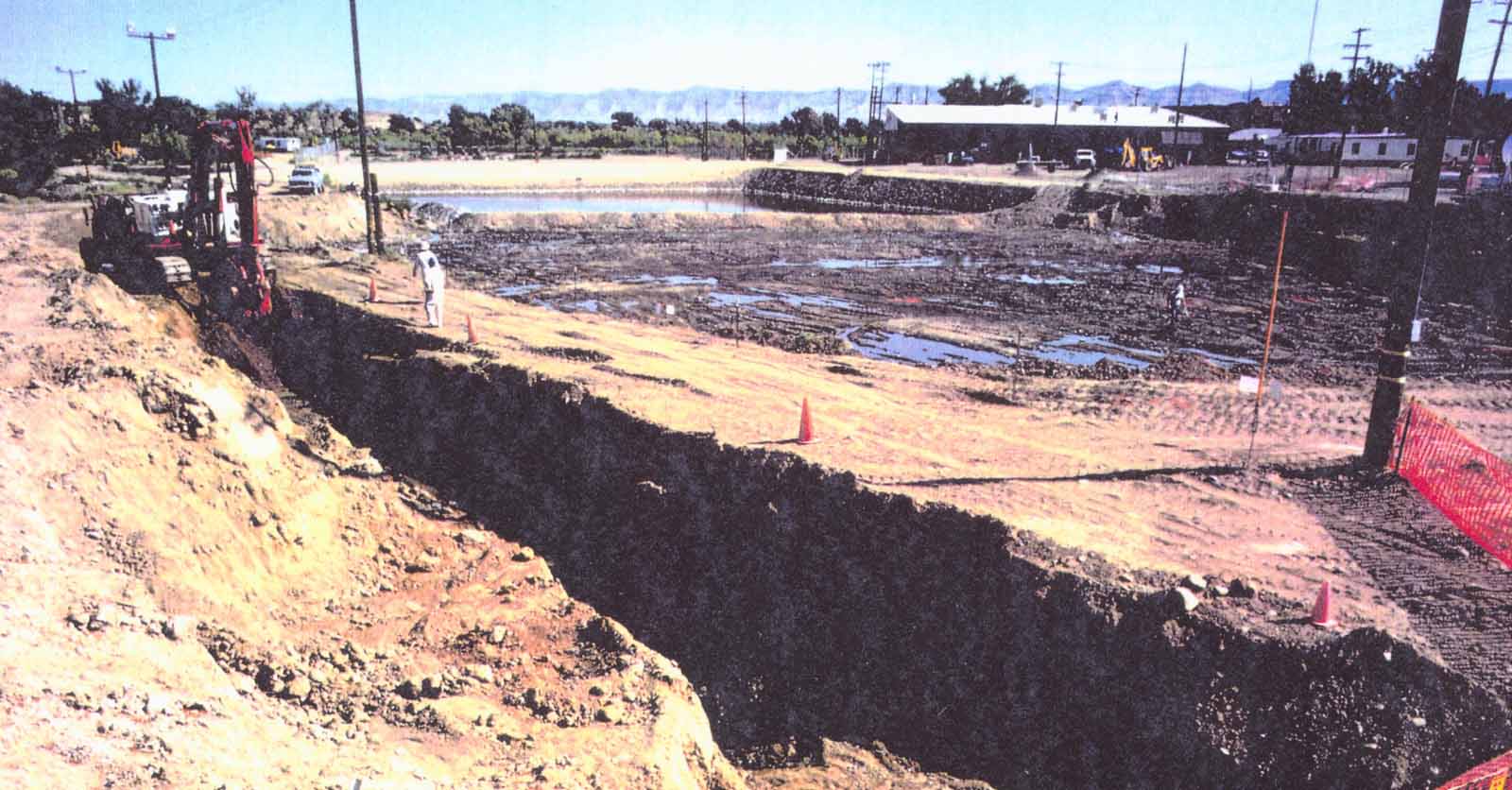
Contamination from these substances affected soil, groundwater, and nearby waterways that connect to the Clinch River. Portions of the Oak Ridge Reservation (ORR) experienced chemical and radiological contamination due to historical waste disposal practices that were common during the early years of nuclear weapons production. For example, industrial waste was sometimes stored in ponds, trenches, or landfills that did not meet modern environmental standards.
Local communities were affected in several ways. The Oak Ridge area grew rapidly during and after World War II, as thousands of workers moved to the region to support nuclear weapons production. While the plant provided stable jobs and economic growth, many residents were unaware of the environmental risks associated with uranium enrichment.
In later decades, studies and environmental monitoring programs revealed contamination concerns that prompted increased federal oversight. Public awareness and community advocacy groups played an important role in pushing for transparency about environmental conditions at the Oak Ridge Reservation.
Cleanup efforts at Oak Ridge are now overseen by the U.S. Department of Energy under its Environmental Management program. These efforts operate under federal environmental laws such as the Comprehensive Environmental Response, Compensation, and Liability Act, commonly known as the Superfund program.
One of the largest cleanup tasks involved safely dismantling the enormous K-25 building (once the largest under one roof in the world) piece by piece. The building was so massive that demolishing it safely took over a decade of planning and work. Because the structure contained contaminated equipment, asbestos insulation, and radioactive residues, demolition required careful decontamination and dismantling procedures. When demolition finished in 2020, it marked the end of one of the most recognizable structures from the Manhattan Project era.
Cleanup activities at the site have included:
Removing contaminated equipment, soil and structures
Treating or containing radioactive and chemical waste
Groundwater monitoring and remediation
Long-term environmental surveillance
These demolition projects represent one of the largest environmental cleanup efforts in the United States. Billions of dollars have been invested to reduce contamination risks and prepare portions of the site for future use.
Today, in a striking transformation, parts of the former K-25 complex have been redeveloped as the Heritage Center Industrial Park, transforming a former nuclear weapons production facility into a hub for modern manufacturing and research.
The legacy of K-25 remains an important part of Oak Ridge’s history, representing both a major scientific achievement and the lasting human and environmental costs of the early atomic age.
The Oak Ridge Gaseous Diffusion Plant (K-25) is an approved facility for The Energy Employees Occupational Illness Compensation Program or the EEOICPA White Card Program and has been designated as a Special Exposure Cohort (SEC) facility. This is a defined category of employees established under EEOICPA. The SEC is comprised of classes of employees who have at least one of the 22 SEC cancers and have worked for a specific period of time at one of the SEC facilities. Claims compensated under the SEC do not have to go through the dose reconstruction process, as is required for other cancer claims covered by EEOICPA.
As of October 2026, Oak Ridge Gaseous Diffusion Plant (K-25) workers have received over $3.8 billion in EEOICPA compensation and medical bills paid.


Let us check if you or a loved one qualifies for up to $400,000 plus free medical care in the comfort of home.
Your pathway to care starts with Trusted Ally Home Care. Get started today and let us guide you through the process of receiving the care you or a loved one deserves.
A: The Oak Ridge Gaseous Diffusion Plant, also known as K-25, was a uranium enrichment facility within the Oak Ridge Reservation in Tennessee. Built as part of the Manhattan Project, it helped produce enriched uranium for the first nuclear weapons and later supplied material for Cold War weapons and reactor fuel.
A: K-25 used gaseous diffusion to separate uranium-235 from uranium-238. Workers converted uranium into uranium hexafluoride gas, which passed through thousands of specialized barriers to gradually increase the concentration of uranium-235.
A: K-25 began producing enriched uranium in 1945. The original K-25 building stopped enrichment operations in 1964, while other gaseous diffusion facilities at Oak Ridge continued operating into the 1980s.
A: K-25 workers faced exposure to radioactive materials, uranium dust, uranium hexafluoride gas, toxic industrial solvents, beryllium, and asbestos. Many employees were unaware of the potential long-term health risks during their employment.
A: Worker exposures at K-25 were linked to lung disease, kidney damage, chronic beryllium disease, leukemia, and other radiation-related cancers. Some workers learned about the risks of their occupational exposures only after developing health problems years later.
A: Yes. The Oak Ridge Gaseous Diffusion Plant (K-25) is an approved facility under the Energy Employees Occupational Illness Compensation Program Act, also known as the EEOICPA White Card Program. K-25 also has designated Special Exposure Cohort employee classes.
A: Special Exposure Cohort (SEC) status provides a claims pathway for defined groups of employees who worked at a designated facility during specified periods and have at least one of the 22 SEC cancers. Qualifying K-25 claims compensated under the SEC do not require the radiation dose reconstruction process used for other EEOICPA cancer claims.
A: SEC coverage applies to defined employee classes with specific employment requirements. A K-25 worker must meet the applicable employment criteria and have at least one of the 22 SEC cancers to qualify through this pathway.
A: Trusted Ally Home Care can help former Oak Ridge Gaseous Diffusion Plant (K-25) workers understand their EEOICPA White Card benefits and coordinate in-home care for approved conditions. Services include case management, skilled nursing, and home health aide support tailored to each eligible worker’s approved Plan of Care.
A: As of October 2026, Oak Ridge Gaseous Diffusion Plant workers have received more than $3.8 billion in combined EEOICPA compensation and medical bills paid.
A: Uranium enrichment at K-25 generated radioactive materials, chemical waste, and industrial pollution. Historical operations and waste disposal practices contributed to contamination of soil, groundwater, and nearby waterways connected to the Clinch River.
A: The U.S. Department of Energy oversees cleanup through its Environmental Management program. Work has included removing contaminated equipment, soil, and structures; treating or containing waste; monitoring and remediating groundwater; and conducting long-term environmental surveillance.
A: Parts of the former K-25 complex have been redeveloped as the Heritage Center Industrial Park. The redevelopment supports modern manufacturing and research while cleanup and environmental monitoring continue at the broader site.
Trusted Ally Staff : Oct 16, 2026, 12:44:51 PM
Trusted Ally Staff : Jan 23, 2026, 11:29:20 AM

Trusted Ally Staff : Jan 8, 2026, 4:30:47 PM
Trusted Ally Staff : Feb 24, 2025, 1:10:07 PM
Trusted Ally Staff : Mar 7, 2025, 3:01:39 PM
Trusted Ally Staff : Oct 2, 2024, 3:21:29 PM
Trusted Ally Staff : Mar 28, 2025, 10:27:59 AM