
 Trusted Ally Staff
Nevada Test Site: Approved for EEOICPA benefits
 Trusted Ally Staff : Mar 6, 2026, 11:56:39 AM
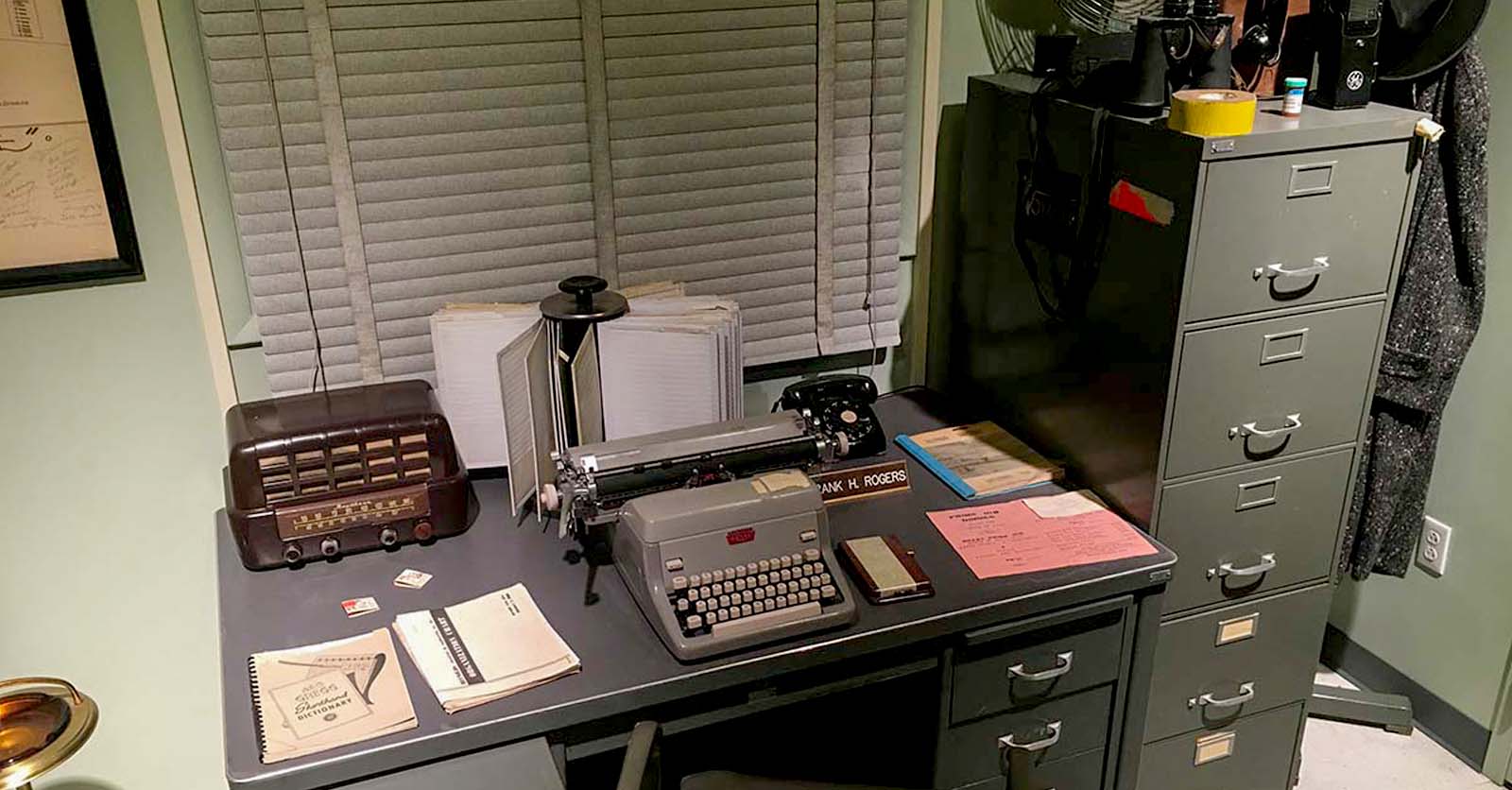
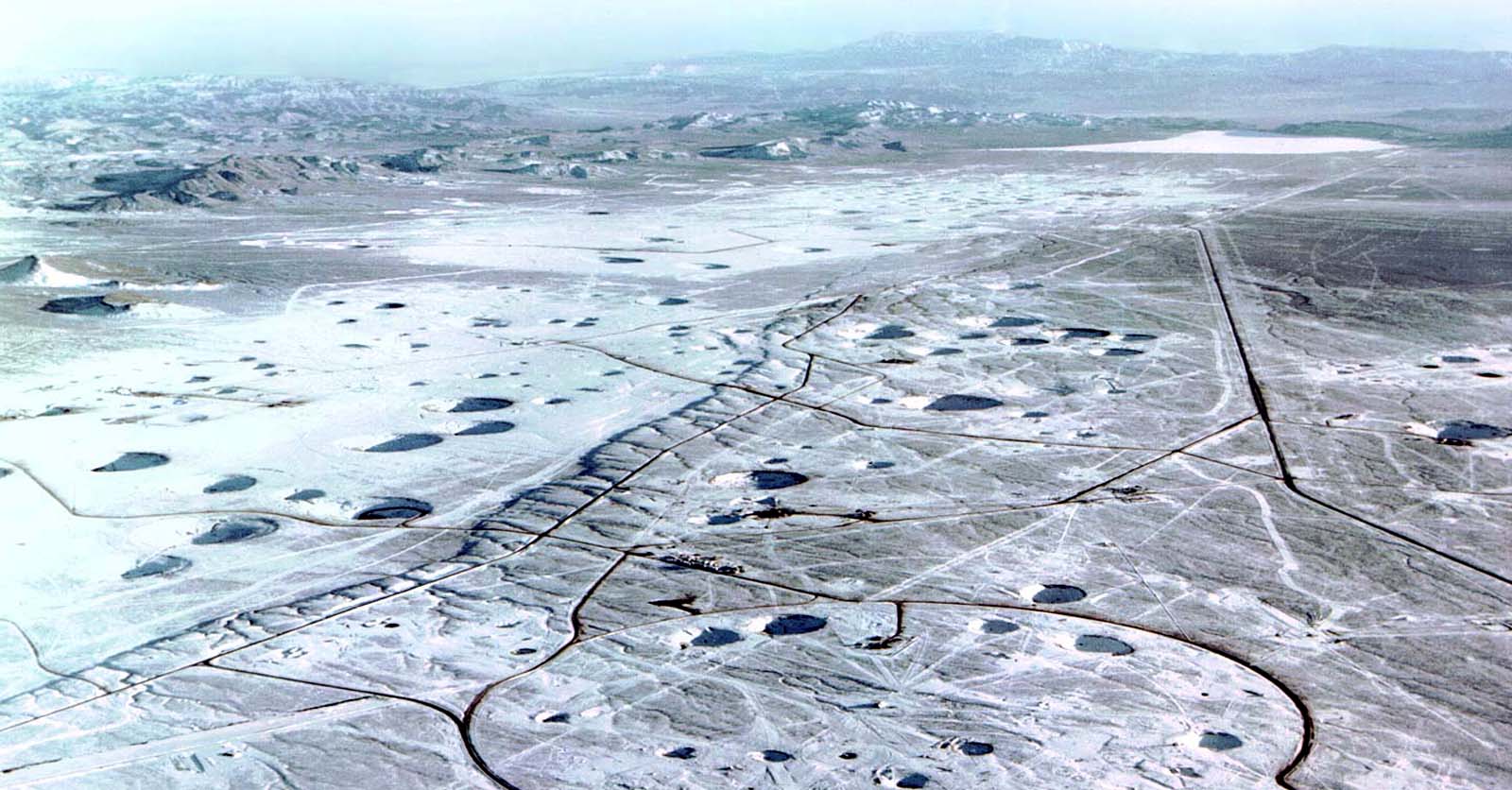
Image courtesy of U.S. Department of Energy / Nevada Test Site (via AtomicArchive.com)
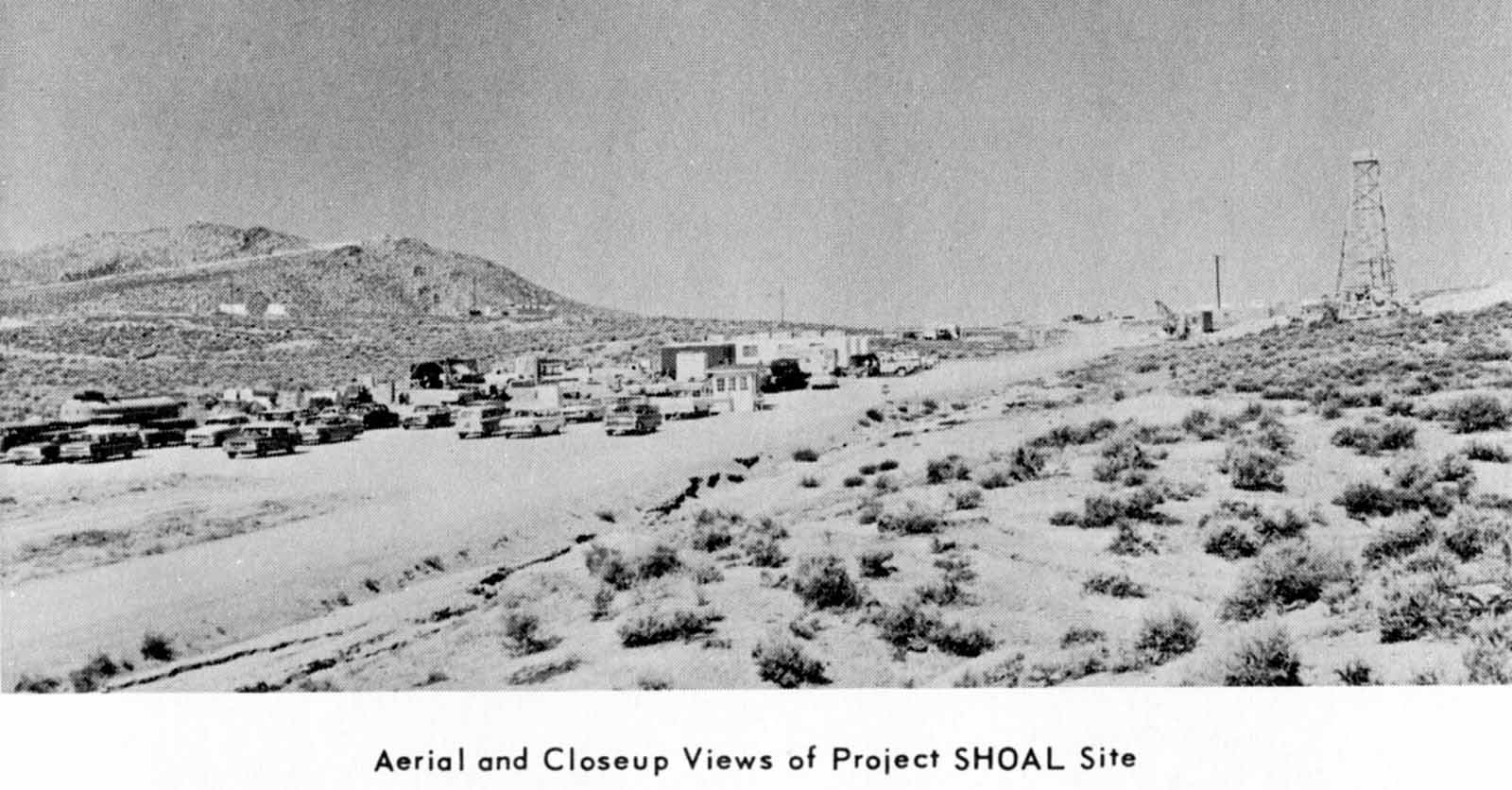
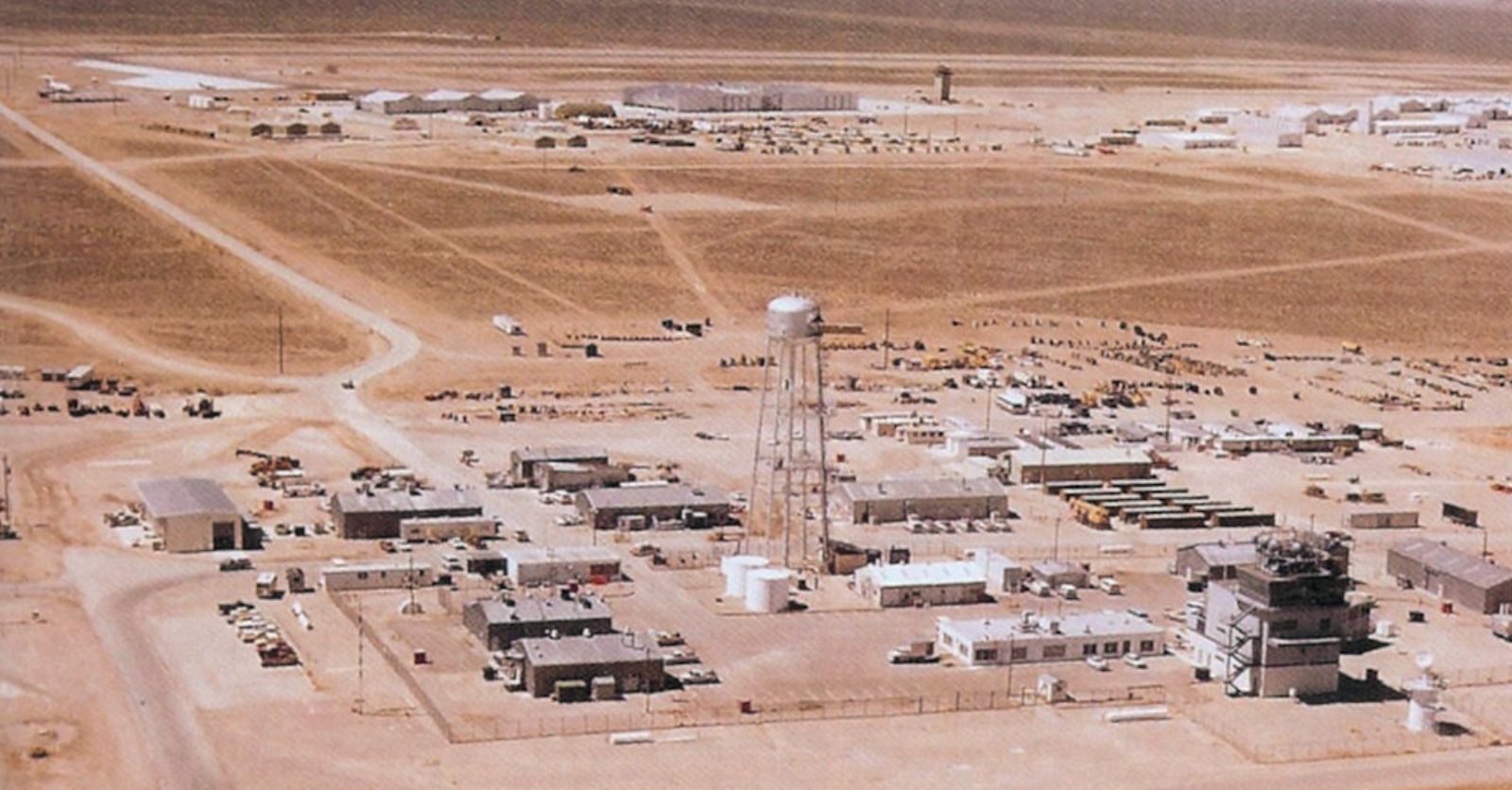
The Nevada Site Office (NSO) in Las Vegas was not a nuclear weapons facility or uranium mill; it was the command center for America’s nuclear testing era. From the early Cold War through the end of nuclear testing, this office managed some of the most significant nuclear weapons testing and cleanup activities in U.S. history, primarily at the Nevada Test Site (NTS) which is now known as the Nevada National Security Site (NNSS). Thousands of scientists, technicians and support staff worked at NSO to oversee 928 nuclear tests from 1951–1992.
While atmospheric and underground detonations occurred at testing sites miles away from Las Vegas, NSO staff routinely traveled from the NSO’s North Las Vegas Complex to testing areas and then returned. They worked directly with test planning, diagnostics, instrumentation, logistics, radiation monitoring and data analysis of blast and fallout effects. Their roles were essential to weapons development and refinement and some of NSO’s radiation monitoring techniques are still used today.
The NSO’s work mattered because it:
Together, these responsibilities made the NSO one of the most important federal facilities in the entire U.S. nuclear security enterprise.
Las Vegas itself became deeply intertwined with testing culture, normalizing exposure risks through tourism and media coverage, even as workers and residents absorbed long-term consequences.
1951: Nevada Test Site was established, and Las Vegas became the operational hub for the Nevada Site Office. Nuclear tests coordinated through NSO were sometimes visible from Las Vegas, earning the city the nickname “Atomic City.” Some casinos hosted “atomic test viewing parties” for tourists.
1952–1974: Atomic Energy Commission (AEC) directed nuclear testing programs administered through the Nevada Site Office. Many NSO workers were AEC or AEC contractor employees during the height of testing.
1974: Energy Research and Development Administration (ERDA), a short-lived U.S. government agency created by the Energy Reorganization Act of 1974, replaces the AEC.
1977: The ERDA ends its services and the Department of Energy (DOE) assumes control.
1992: U.S. ends nuclear weapons testing.
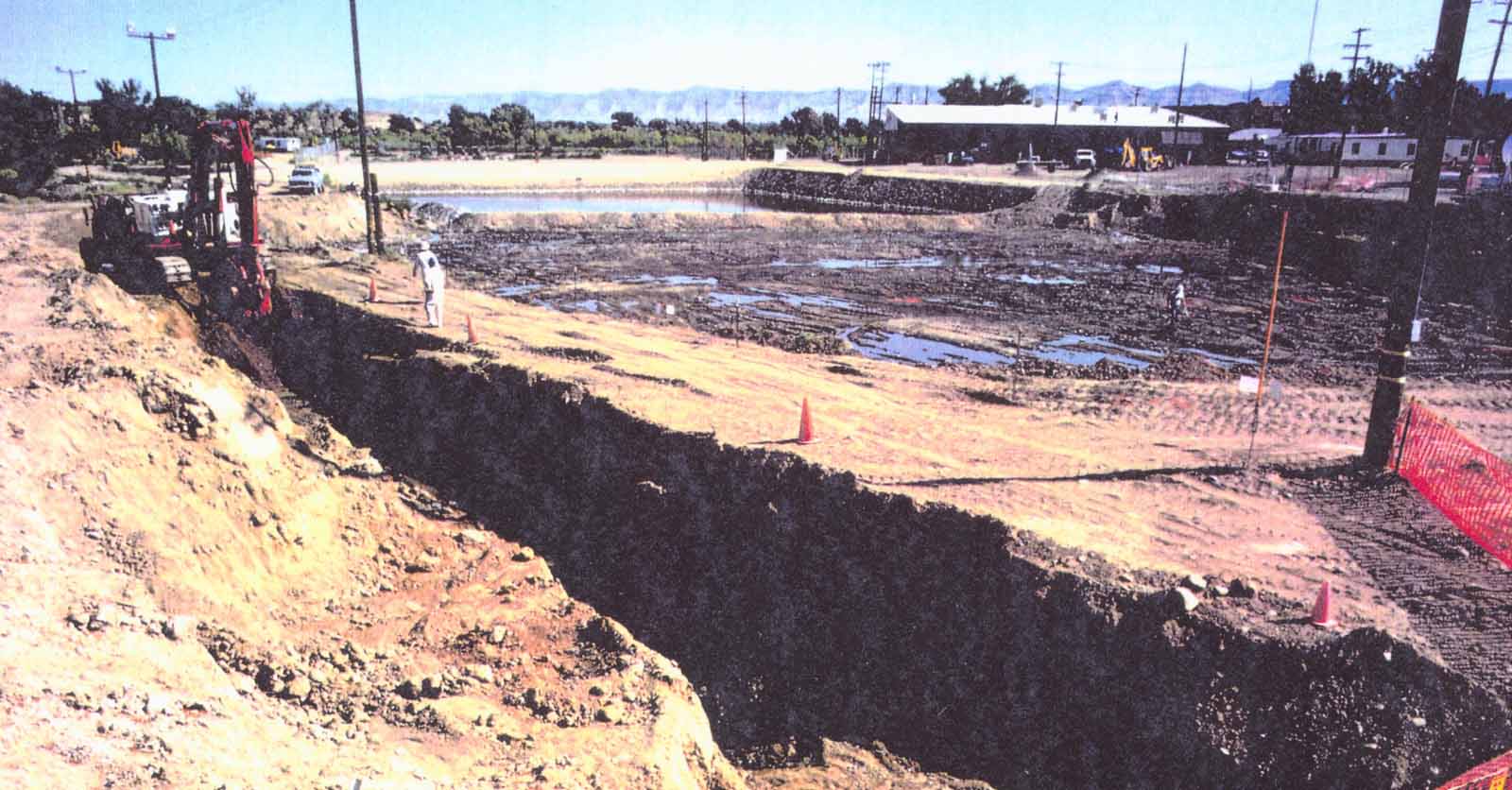
1992–Present: Federal focus shifts to environmental cleanup efforts, radiation containment, long-term stewardship, and national security missions. The Nevada Site Office evolved into today’s Nevada Field Office, which oversees cleanup and ongoing monitoring at NNSS under DOE and the National Nuclear Security Administration (NNSA).
NSO workers may have experienced occupational exposure to ionizing radiation, radioactive fallout, and hazardous materials through site visits, instrumentation work, radiation monitoring, or weapons-related research. These exposures have since been linked to increased risks of various cancers, thyroid disease, respiratory conditions, and other long-term health effects, depending on job duties and duration of employment.
In 2002, the discovery of beryllium contamination in buildings B-1, B-2, B-3, and A-1 at the North Las Vegas Complex led to the immediate halt of operations and the relocation of employees due to concerns over potential exposure.
The Nevada Site Office is an approved facility for The Energy Employees Occupational Illness Compensation Program or the EEOICPA White Card Program.
As of January 2026, Nevada Site Office workers have received over $235 million in EEOICPA compensation and medical bills paid.

Let us check if you or a loved one qualifies for up to $400,000 plus free medical care in the comfort of home.
Your pathway to care starts with Trusted Ally Home Care. Get started today and let us guide you through the process of receiving the care you or a loved one deserves.

Trusted Ally Staff : Jan 8, 2026, 10:48:04 AM
Trusted Ally Staff : Mar 21, 2025, 3:40:18 PM
Trusted Ally Staff : Apr 11, 2025, 10:37:34 AM
Trusted Ally Staff : Apr 4, 2025, 11:22:39 AM