

 Trusted Ally Staff
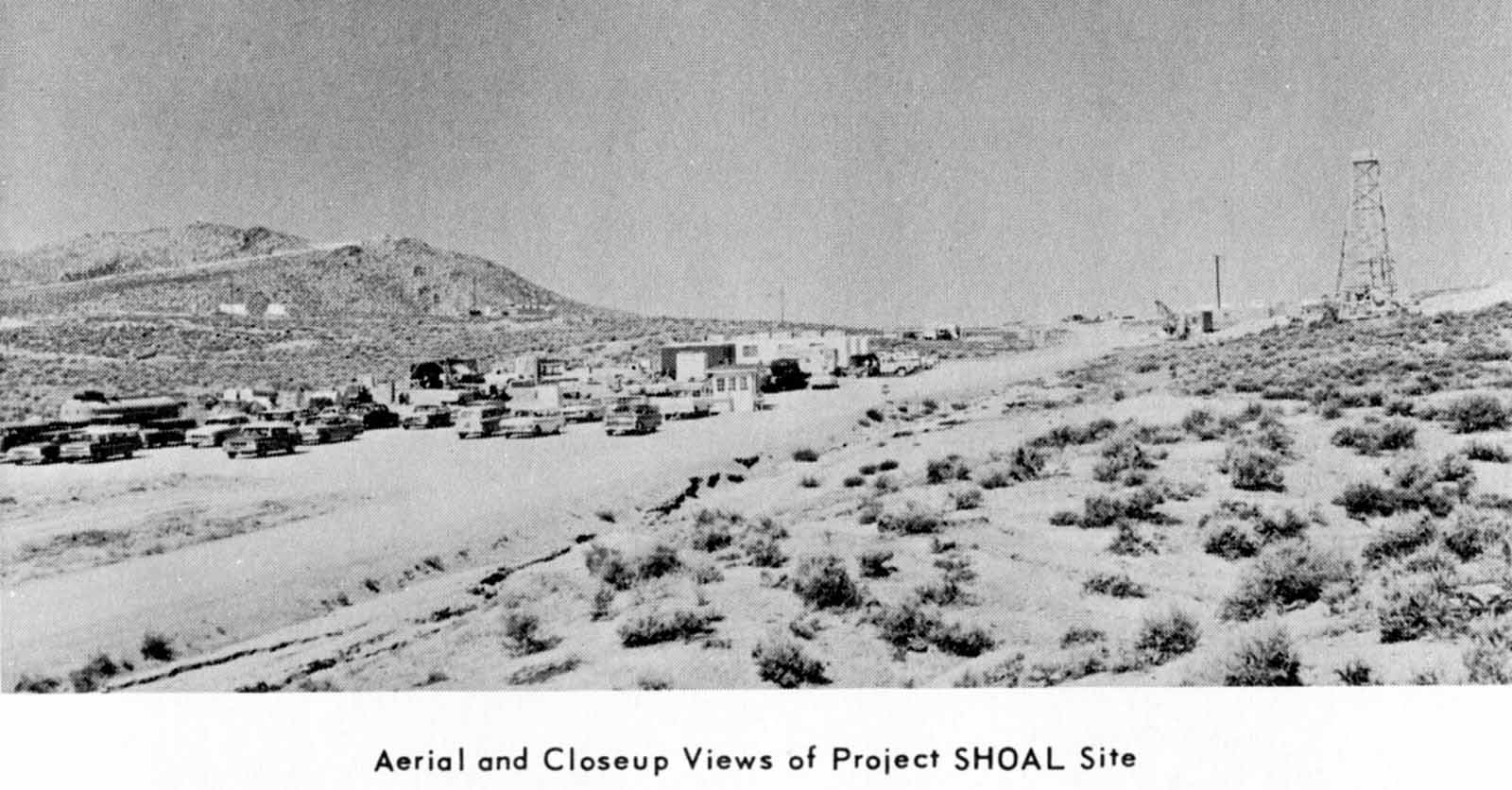
Project Shoal: Approved for EEOICPA benefits
 Trusted Ally Staff : May 15, 2026, 1:39:24 PM
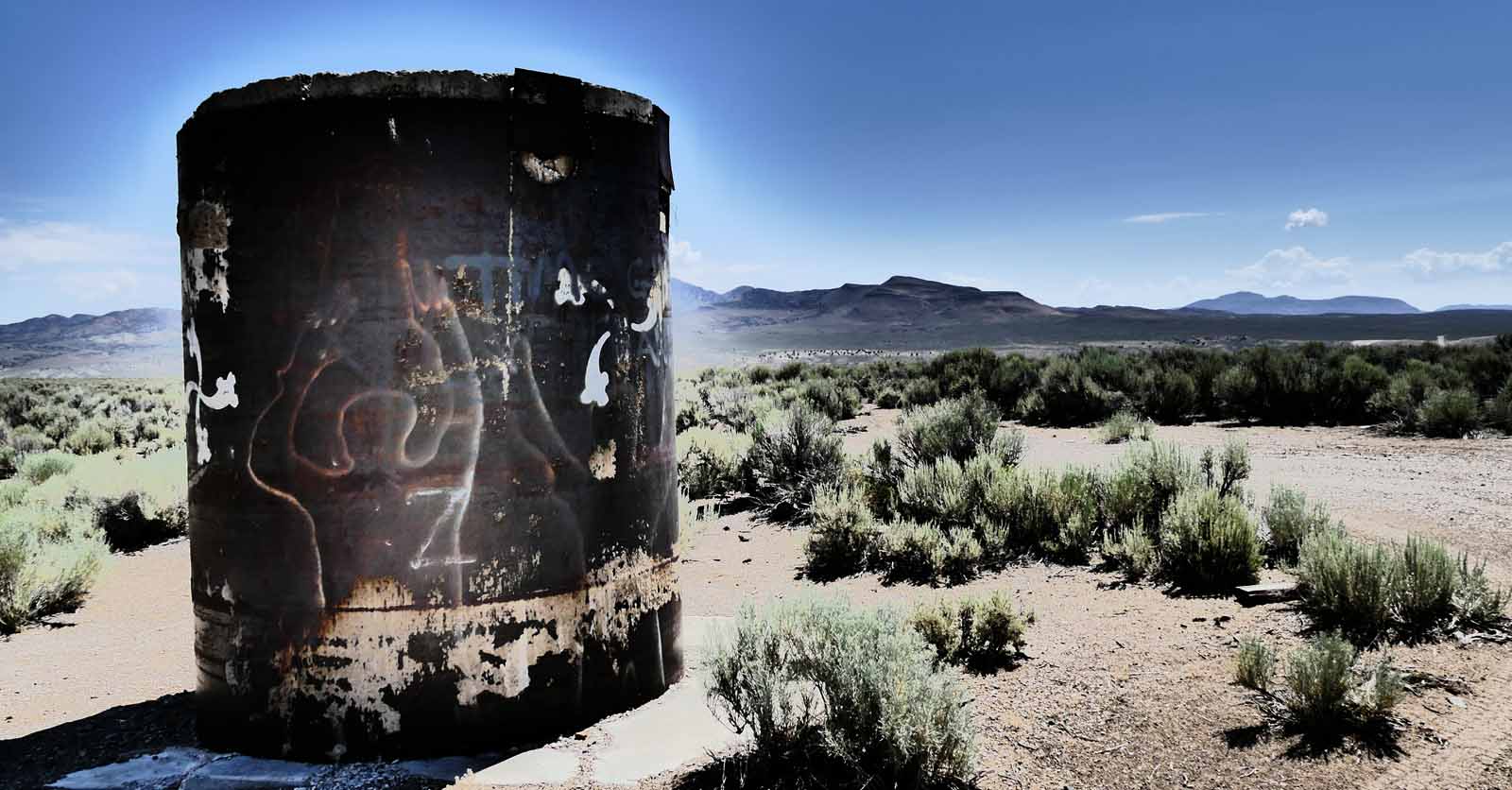
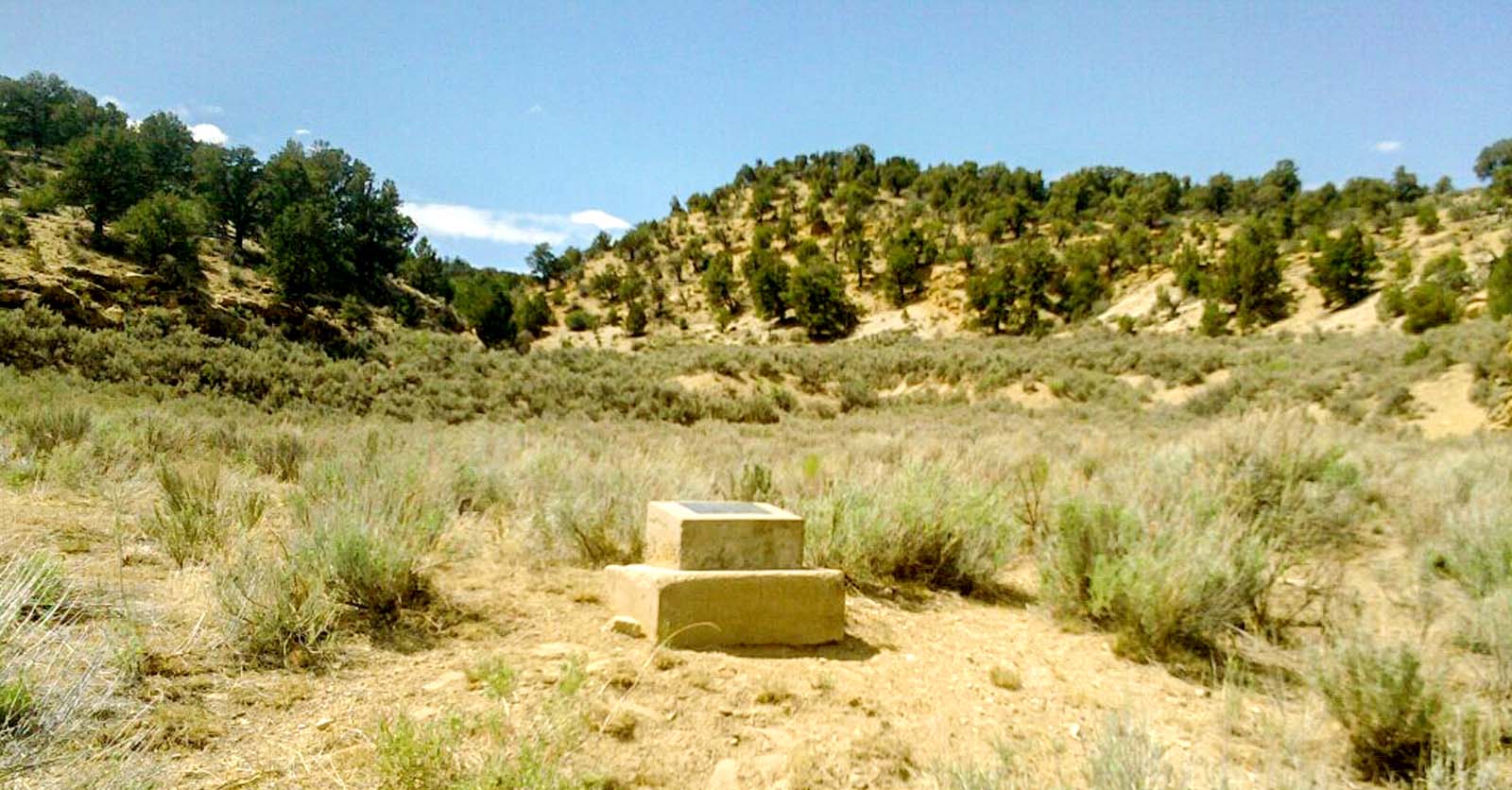
Image shows the steel emplacement pipe into which the Project Faultless nuclear device was lowered prior to its detonation in 1968. Photo credit.
Project Faultless was a little-known Cold War-era, underground nuclear weapons test conducted in the remote area of Hot Creek Valley, Nevada. Though only one nuclear detonation occurred at this site, Project Faultless played an important role in shaping how the United States approached underground nuclear testing and geological safety. After the 1963 Limited Test Ban Treaty put an end to atmospheric testing, underground nuclear testing became more prominent. Because of this, scientists needed to understand how these detonations interacted with geological fault lines beneath the Earth’s surface.
Late 1960s: The site was selected in Hot Creek Valley, Nevada for its geologic suitability.
January 19th, 1968: The Project Faultless test took place under the direction of the Atomic Energy Commission (AEC). It was detonated approximately 3,200 feet underground and had a yield of about 200 kilotons, making it one of the most powerful underground tests conducted outside the main Nevada Test Site. (For comparison, the atomic bomb dropped on Hiroshima in 1945 had an estimated yield of about 15 kilotons.) Scientists used the test to evaluate seismic effects, containment strategies, and the risks of conducting detonations near geologic faults.
Post-1968: The site was monitored for structural damage, radiation effects and environmental impact under the AEC. Oversight later transferred to the Department of Energy (DOE).
1990s-present: Long term surveillance of the site began and continues to this day under the supervision of the DOE’s Office of Legacy Management, which conducts ongoing tests to ensure radioactive materials remain safely contained. The site remains one of the most geologically studied single-test locations.
Despite the depth of detonation, the explosion caused unexpected surface damage, including ground cracking, fault displacement, and visible deformation across several miles of terrain. Although the site was located far from populated areas, the test demonstrated that underground detonations could still pose serious environmental risks. These findings challenged existing assumptions about underground testing safety and directly influenced stricter controls on test locations and yields in later years. Though brief in operation, Project Faultless left a lasting legacy for nuclear science, worker health and environmental responsibility.
Workers for Project Faultless that were involved in drilling, instrumentation, test execution, and post-test analysis may have been exposed to ionizing radiation, radioactive gases, contaminated equipment and disturbed soils. Over time, these exposures have been linked to increased risks of certain cancers, respiratory illnesses, and other long-term, chronic health conditions depending on job duties and the duration of exposure.
Official sources:
https://www.usgs.gov/faqs/what-a-fault-and-what-are-different-types
The Project Faultless site is an approved location for The Energy Employees Occupational Illness Compensation Program or the EEOICPA White Card Program.
As of April 2026, Project Faultless workers have received almost $9 million in EEOICPA compensation and medical bills paid.
Official source
U.S. Department of Labor (OWCP) — EEOICPA Program Statistics

Let us check if you or a loved one qualifies for up to $400,000 plus free medical care in the comfort of home.
Your pathway to care starts with Trusted Ally Home Care. Get started today and let us guide you through the process of receiving the care you or a loved one deserves.
A: Project Faultless was a Cold War-era underground nuclear weapons test conducted on January 19, 1968, in Hot Creek Valley, Nevada. The test involved detonating a nuclear device with a yield of approximately 200 kilotons at a depth of 3,199 feet to study seismic detection methods and evaluate potential underground nuclear testing sites outside the Nevada Test Site.
A: Project Faultless took place in Hot Creek Valley, located in central Nevada, approximately 65 miles northeast of Tonopah and about 30 miles from the small town of Warm Springs. The remote location was selected to test whether areas outside the Nevada Test Site could support large underground nuclear tests.
A: Workers on Project Faultless included Department of Energy (DOE) employees, contractors, subcontractors, drilling crews, construction workers, scientists, engineers, security personnel, and support staff. Many workers were involved in site preparation, drilling operations, test execution, and post-test monitoring and cleanup activities.
A: Workers at Project Faultless faced exposure to radiation from the nuclear detonation and post-test activities, as well as exposure to hazardous materials used in drilling and construction operations. These exposures put workers at increased risk for various cancers, respiratory diseases, and other illnesses linked to radiation and toxic chemical exposure.
A: Yes. Project Faultless is recognized as a covered facility under the Energy Employees Occupational Illness Compensation Program Act (EEOICPA). Workers who participated in Project Faultless operations and developed covered conditions may be eligible for compensation and free home healthcare benefits.
A: Eligible Project Faultless workers can receive up to $400,000 in tax-free compensation depending on approved conditions: $150,000 from EEOICPA Part B for radiation-related illnesses, and up to $250,000 from EEOICPA Part E for impairment and possible wage-loss compensation. Workers may also qualify for free in-home healthcare services including skilled nursing, home health aides, and case management.
A: Covered illnesses include radiation-related cancers (lung, kidney, colon, breast, thyroid, leukemia, lymphoma), chronic beryllium disease, silicosis, respiratory diseases (COPD, pulmonary fibrosis), kidney and liver disease, heart disease from chemical exposure, and neurological disorders linked to workplace exposure at Project Faultless.
A: You will need employment documentation showing you worked at the Project Faultless site or for a contractor/subcontractor involved in the operation. This can include pay stubs, W-2 forms, employment verification letters, security badges, or other records. Trusted Ally can help you gather the necessary documentation to support your EEOICPA claim.
A: Yes. Eligible survivors, including spouses and children of deceased Project Faultless workers, may qualify for survivor benefits under EEOICPA Part E if the worker's illness is linked to covered employment. Survivor compensation can include up to $125,000 plus additional amounts tied to wage loss.
A: Following the 1968 detonation, Project Faultless was deemed unsuccessful for its intended purpose due to significant ground surface displacement and seismic effects. The site was placed under long-term monitoring and environmental stewardship. The area remains restricted, and the DOE continues to monitor groundwater and radiation levels at the site.
A: Trusted Ally provides expert guidance through the EEOICPA claims process for Project Faultless workers, helping you understand your eligibility, gather employment and medical documentation, file claims under Part B and Part E, communicate with the Department of Labor, and access free in-home healthcare services once approved. Our support is provided at no cost to eligible workers and their families.
A: Contact Trusted Ally at 1-866-286-6426 or visit trustedally.com to speak with a benefits specialist. We'll review your work history at Project Faultless, help determine your eligibility for EEOICPA benefits, and guide you through the entire process of filing your claim and accessing compensation and healthcare services.
Trusted Ally Staff : Jan 23, 2026, 11:29:20 AM
Trusted Ally Staff : Apr 4, 2025, 11:22:39 AM
Trusted Ally Staff : Apr 11, 2025, 10:37:34 AM

Trusted Ally Staff : Jan 8, 2026, 4:30:47 PM
Trusted Ally Staff : Mar 28, 2025, 10:27:59 AM