
 Trusted Ally Staff
Nevada Site Office (NSO): Approved for EEOICPA benefits
 Trusted Ally Staff : Jan 23, 2026, 11:29:20 AM
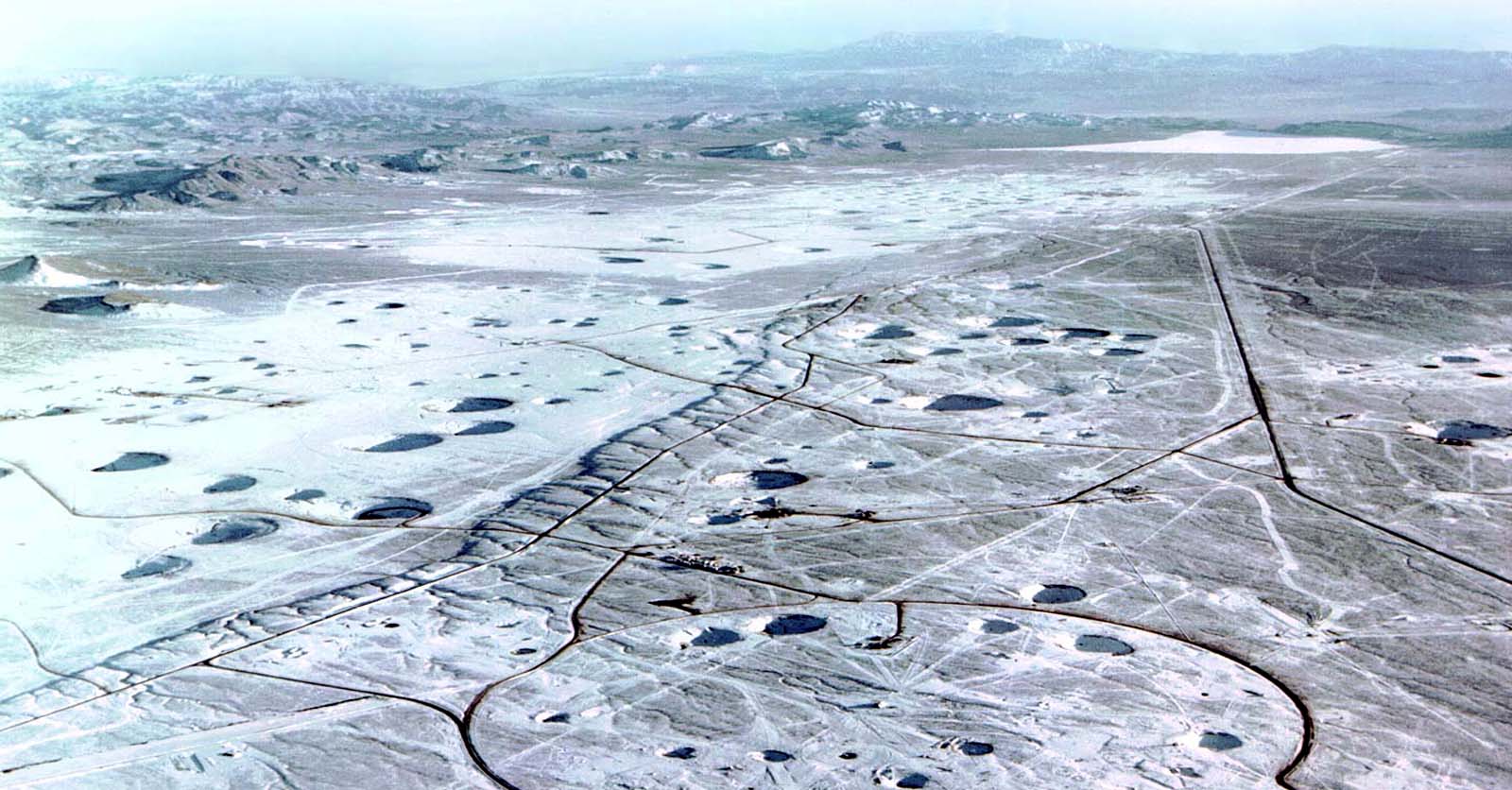
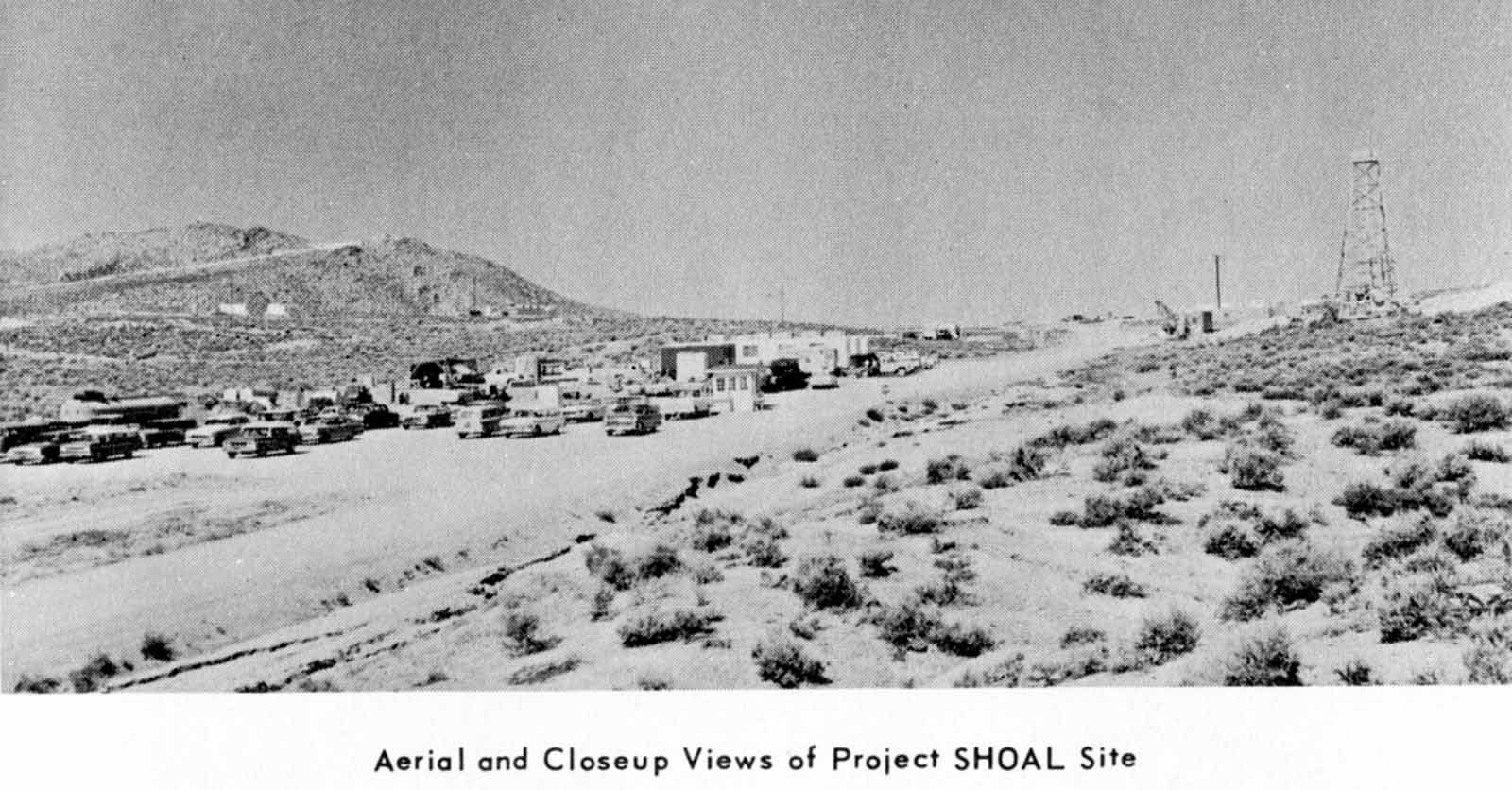
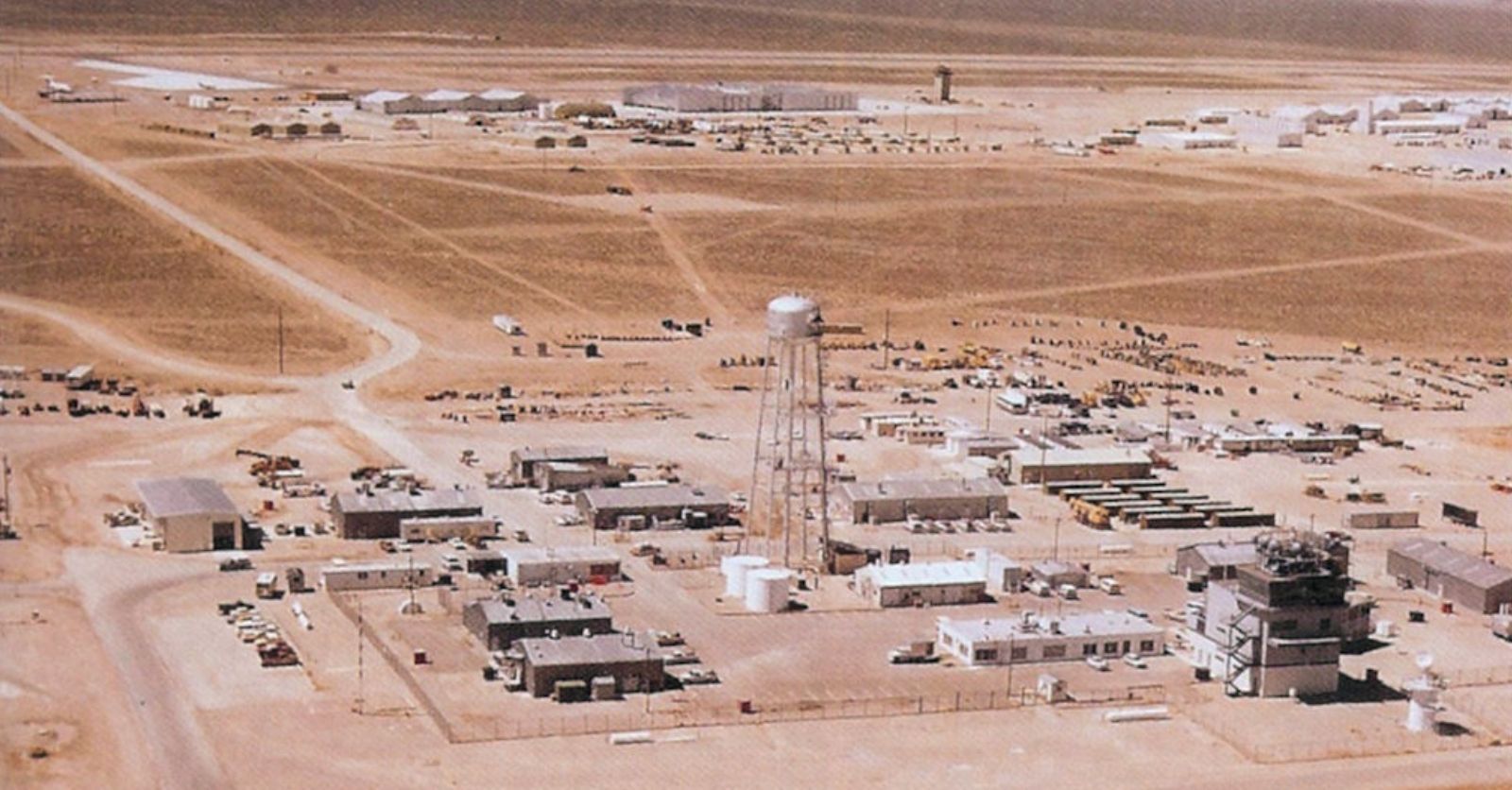
The Nevada Test Site (NTS), now known as the Nevada National Security Site (NNSS), was one of the most significant locations in U.S. nuclear history. While it was not a uranium mill or reactor, the Nevada Test Site played a direct and critical role during the height of the Cold War. Over four decades, 928 nuclear tests were conducted at the site. These tests were essential for advancing nuclear weapons design, studying blast and radiation effect and improving national defense capabilities.
1951: The Nevada Test Site was established and became the primary location for U.S. nuclear weapons testing, replacing earlier Pacific-based tests.
1951-1962: Approximately 100 atmospheric detonations (above-ground nuclear testing) occurred during this time.
1963: The Limited Test Ban Treaty ends above-ground testing.
1963-1992: Underground nuclear testing begins as a result of the Limited Test Ban Treaty. More than 800 underground tests were conducted.
1992: The United States officially stopped conducting nuclear weapons test explosions. This decision is known as the U.S. nuclear testing moratorium. All full-scale nuclear detonations came to an end, including atmospheric, underground and underwater nuclear explosions. The last U.S. nuclear test, “Divider,” was conducted at the Nevada Test Site in September of 1992 as a part of Operation Julin.
1990s-Present: Environmental cleanup, monitoring and national security missions began and continue still to this day.
The Atomic Energy Commission (AEC) oversaw the NTS from its creation through 1974, during the most active testing years. The AEC directed testing operations, worker activities and radiation monitoring. After 1974, oversight was transferred to the Energy Research and Development Administration (ERDA) and later, transferred again to the U.S. Department of Energy (DOE).
1. Operation Ranger: Shot Able (1951) — First test at the Nevada Test Site
Why it matters:
This was the very first nuclear test conducted at the Nevada Test Site, marking the beginning of continental U.S. nuclear testing.
It was a 1 kiloton air dropped device, part of Operation Ranger.
2. Operation Upshot: Knothole Grable (1953) — First and only nuclear artillery shell
Why it matters:
Grable was the first nuclear device ever fired from an artillery cannon.
A 280 mm nuclear shell was detonated as an airburst during Operation Upshot–Knothole.

Operation Upshot: Knothole Grable (1953)
3. Operation Teapot: Shot Apple 2 (1955) — Iconic civil defense test
Why it matters:
While Operation Teapot included many shots, Apple 2 became one of the most iconic because it tested nuclear effects on buildings, houses, mannequins, and vehicles and many of the famous “Doom Town” images come from this test.
It played a major role in shaping U.S. civil defense planning.
(Note: Apple 2 is part of Operation Teapot, which is well documented in the major test series at NTS.)

Operation Teapot: Shot Apple 2 (1955)
Thousands of workers, including scientists, engineers, technicians, construction crews, and support staff, were employed at the Nevada Test Site. Many were exposed to ionizing radiation, radioactive fallout, contaminated equipment, and hazardous materials as part of their daily work. Over time, these exposures have been linked to increased risks of cancer, thyroid disease, respiratory illnesses, and other chronic health conditions among former workers. Many workers were unaware of the long-term health risks at the time.
The environmental and community impacts of testing were far-reaching. Atmospheric detonations carried radioactive particles across Nevada and neighboring states, affecting rural communities and agricultural lands. Underground testing later raised concerns about subsurface contamination and groundwater safety, leading to long-term land restrictions and ongoing environmental monitoring. Communities downwind of the site, often referred to as “Downwinders,” experienced elevated cancer rates and spent decades seeking recognition and accountability. The phrase “Downwinders” originated from exposure patterns linked to NTS tests.
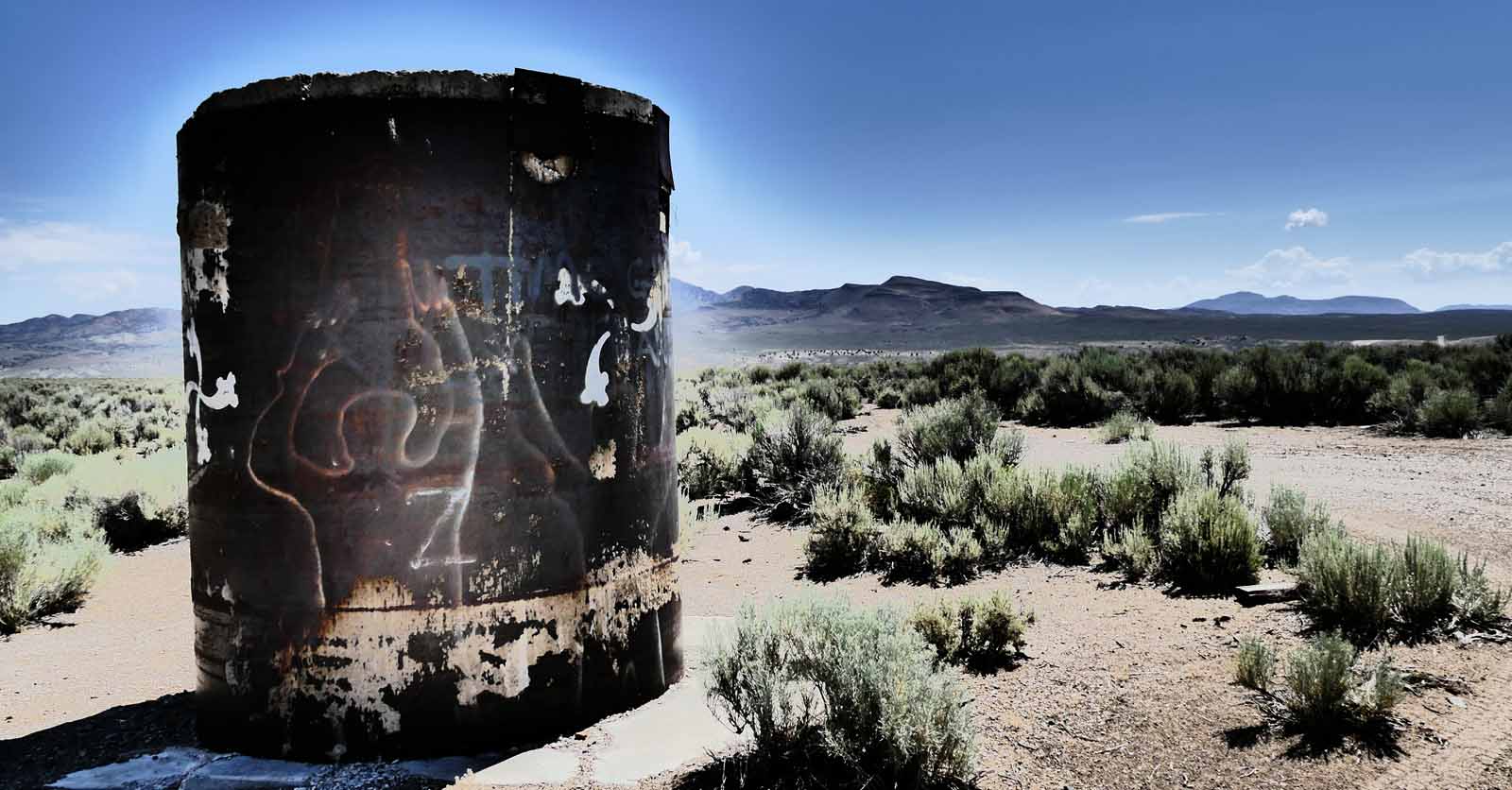
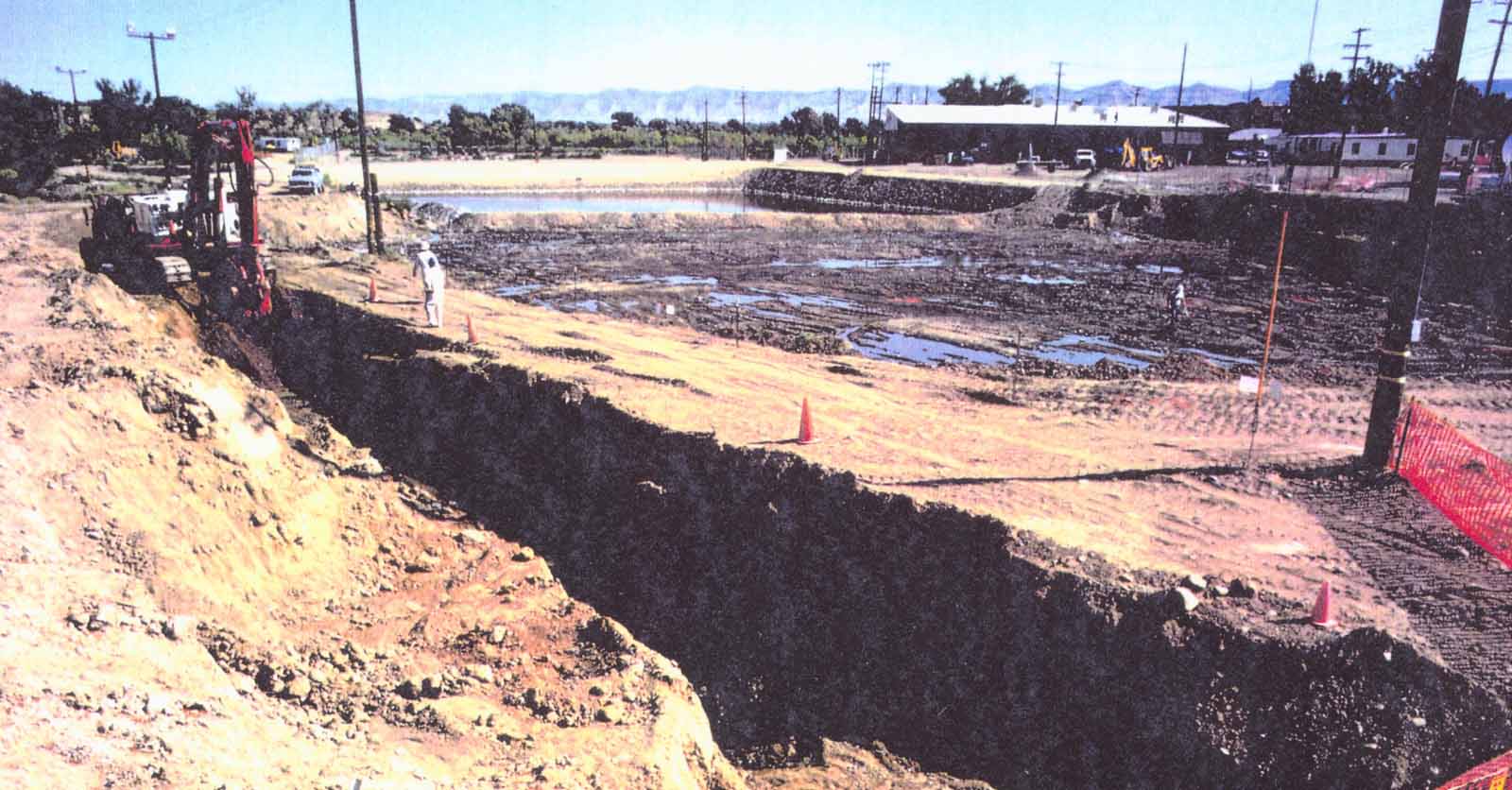
After the U.S. halted nuclear testing in 1992, federal efforts shifted toward cleanup, containment, and long-term stewardship. The DOE and the National Nuclear Security Administration (NNSA) implemented soil stabilization projects, sealed underground test cavities, and established extensive radiation and groundwater monitoring programs. Today, much of the site remains restricted and is managed under long-term environmental surveillance. The site contains massive craters from testing that are still visible today.
The Nevada Test Site is an approved facility for The Energy Employees Occupational Illness Compensation Program or the EEOICPA White Card Program and has been designated as a Special Exposure Cohort (SEC) facility. This is a defined category of employees established under EEOICPA. The SEC is comprised of classes of employees who have at least one of the 22 SEC cancers and have worked for a specific period of time at one of the SEC facilities. Claims compensated under the SEC do not have to go through the dose reconstruction process, as is required for other cancer claims covered by EEOICPA.
As of March 2026, Nevada Test Site workers have received over $3.7 billion in EEOICPA compensation and medical bills paid.

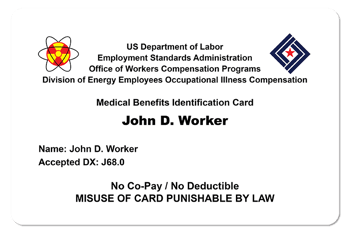
Let us check if you or a loved one qualifies for up to $400,000 plus free medical care in the comfort of home.
Your pathway to care starts with Trusted Ally Home Care. Get started today and let us guide you through the process of receiving the care you or a loved one deserves.
A: The Nevada Test Site (NTS), now known as the Nevada National Security Site (NNSS), was a major U.S. nuclear weapons testing location. Located in Nevada, it hosted 928 nuclear tests between 1951 and 1992. Its missions later expanded to include ongoing national security work and environmental monitoring.
A: Former Nevada Test Site workers may qualify for EEOICPA benefits if they meet covered employment requirements and have a qualifying illness. Eligibility depends on factors such as employer, employment dates, diagnosis, and applicable exposure requirements. Certain surviving family members may also qualify. The U.S. Department of Labor evaluates each claim.
A: Qualifying illnesses may include radiation-related cancers, chronic beryllium disease, and beryllium sensitivity under EEOICPA Part B. Chronic silicosis may also qualify for workers who meet specific underground tunnel employment requirements. Under Part E, eligible DOE contractor and subcontractor workers may qualify for illnesses caused, contributed to, or aggravated by workplace toxic exposure.
A: Certain Nevada Test Site workers are included in a Special Exposure Cohort (SEC) class. Workers who meet the applicable class’s employment requirements and the medical requirements for one of the 22 specified cancers may qualify under EEOICPA Part B without radiation dose reconstruction. SEC status does not automatically cover every worker or every cancer.
A: Yes. Retirement does not automatically prevent former Nevada Test Site workers from qualifying for EEOICPA benefits. A qualifying illness may be diagnosed years after employment ends. Applicants must still meet the program’s employment and medical requirements, and some compensation components have additional rules.
A: Trusted Ally helps former Nevada Test Site workers and their families understand the EEOICPA program and navigate next steps, including questions about eligibility, employment records, and medical documentation. For workers with approved benefits, Trusted Ally can also explain home healthcare options for accepted conditions. The U.S. Department of Labor determines eligibility and approves benefits.
A: Former Nevada Test Site workers and their families can call Trusted Ally at (866) 286-6426 for guidance on the EEOICPA program, questions about next steps, and information about home healthcare services for approved conditions.
Trusted Ally Staff : Jan 23, 2026, 11:29:20 AM
Trusted Ally Staff : Apr 11, 2025, 10:37:34 AM
Trusted Ally Staff : Apr 4, 2025, 11:22:39 AM
Trusted Ally Staff : Mar 28, 2025, 10:27:59 AM

Trusted Ally Staff : Jan 8, 2026, 4:30:47 PM
Trusted Ally Staff : Oct 2, 2024, 3:21:29 PM

Trusted Ally Staff : Jan 29, 2026, 3:38:45 PM