


 Trusted Ally Staff

How Do I Find a Doctor that Accepts DOL White Cards?
 Trusted Ally Staff : Jul 31, 2026, 11:52:41 AM

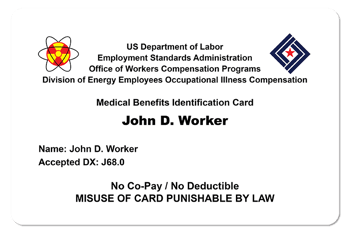
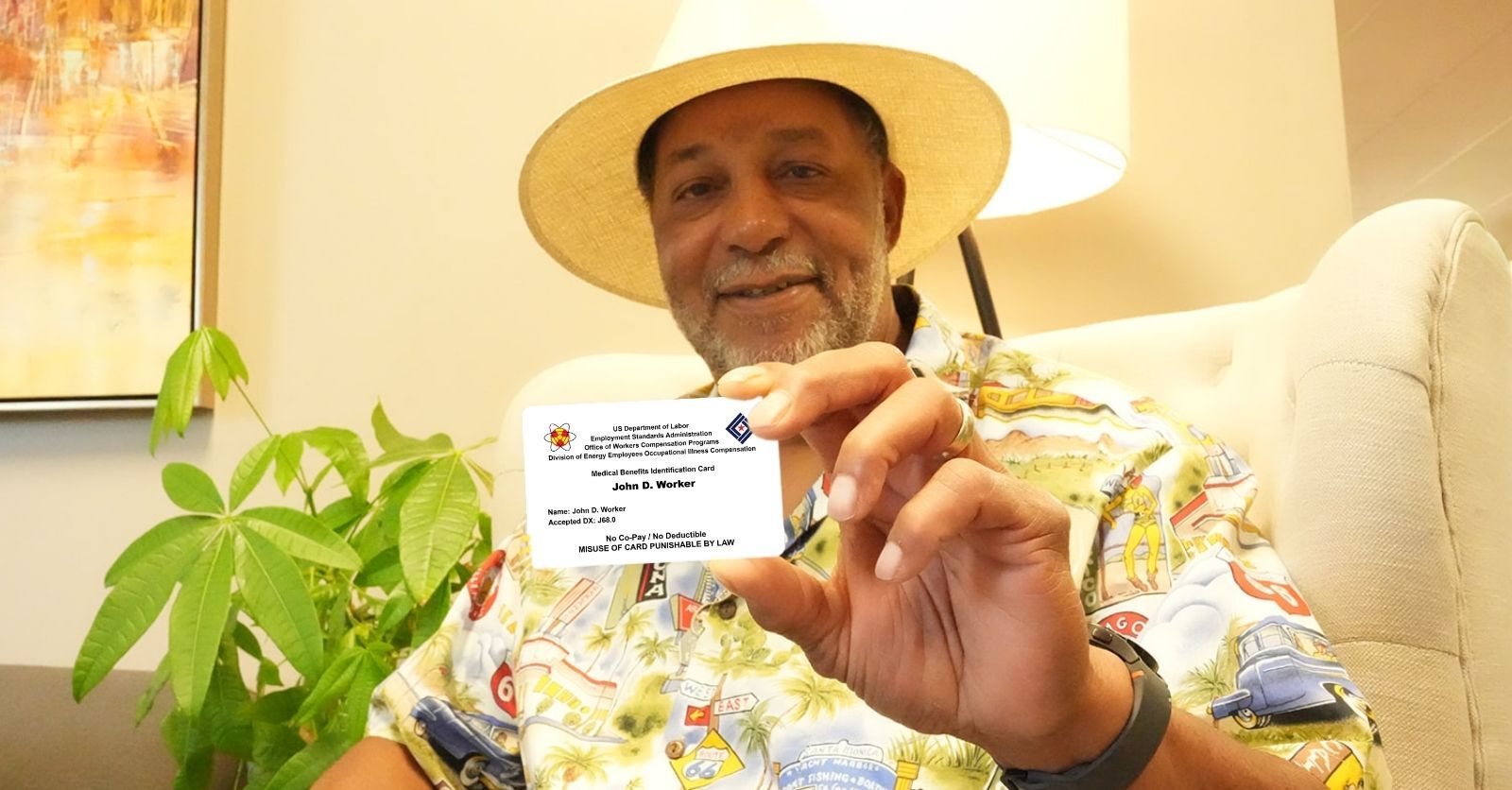
For former nuclear weapons workers receiving benefits through the Energy Employees Occupational Illness Compensation Program Act (EEOICPA), appointments with a Department of Labor (DOL) treating physician play a critical role in maintaining access to benefits and home healthcare services.
Whether you’re a new card holder or have been with the program for years, understanding the responsibilities of both you and your doctor can make a real difference.
The medical provider responsible for evaluating, documenting and managing the health conditions, treatments and services that have been approved under your EEOICPA claim.
Their role goes beyond routine medical care. And because the DOL relies heavily on medical documentation when reviewing claims and benefits, the information discussed and approved during these appointments is extremely important.
Not every doctor is familiar with the EEOICPA program. So, it is crucial that your designated DOL treating physician is responsibly informed on your specific conditions. Whether by your Authorized Representative (AR), Trusted Ally nurse, yourself, or a loved one attending appointments with you, it’s important to ensure that you and your physician cover all appropriate topics and with detailed documentation.
1. Conducting regular visits
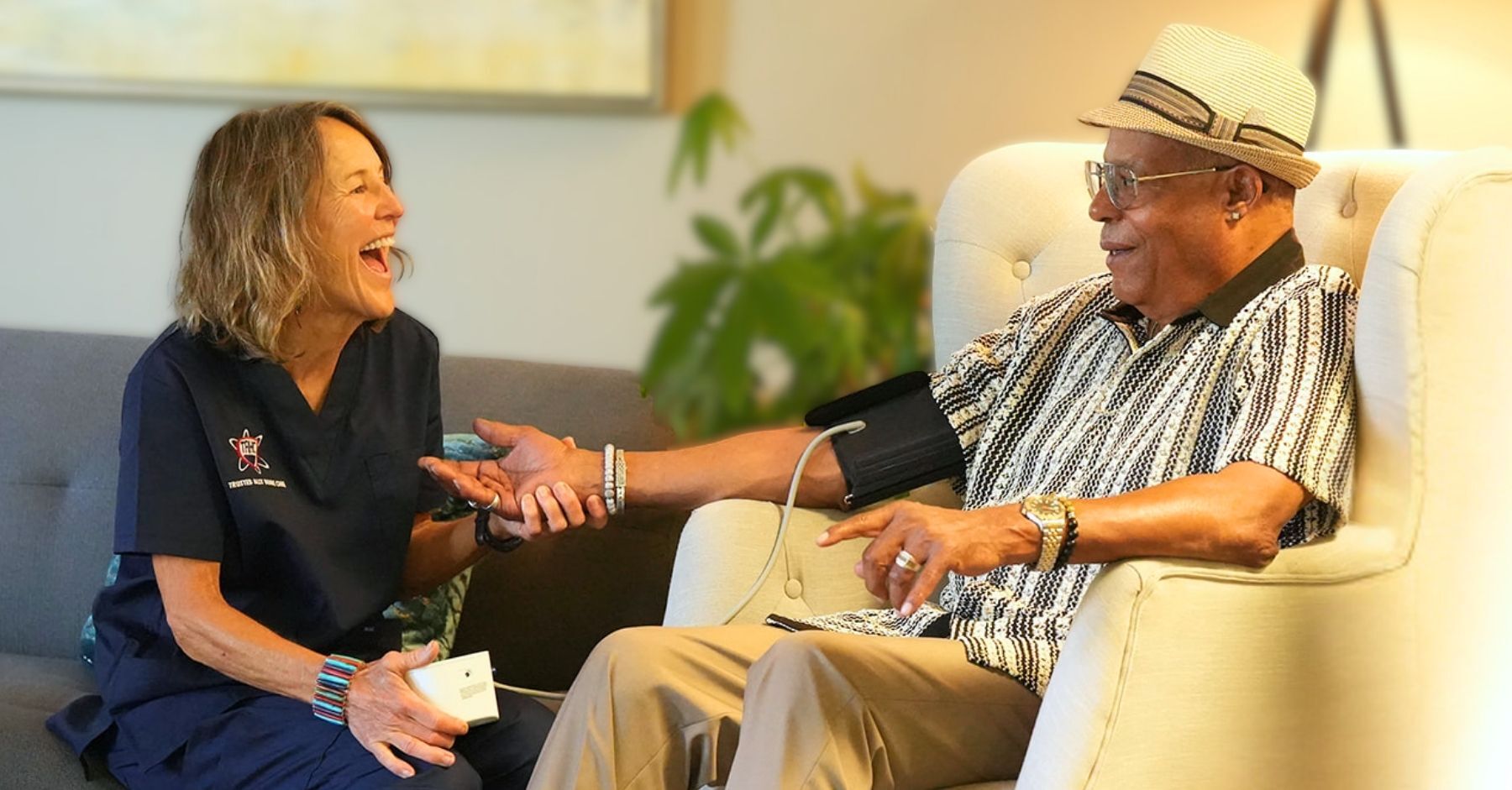
At minimum, your treating physician is required to meet with you either in person or virtually* at least once a year during your annual reauthorization period. These structured visits directly impact your ongoing coverage and benefits.
During these appointments, the physician should:
Review approved DOL-covered conditions
Discuss and document any new symptoms, changes in health or physical decline
Explain how approved conditions affect daily activities
Order testing as needed
Review ongoing medical treatment plans
Sign required Plans of Care
Note: on virtual appointments: Virtual visits can work as an alternative to being in-person if the office visit notes include a clinical indication as to why a virtual meeting is necessary. Trusted Ally will also include this indication in your Letter of Medical Necessity (LOMN) so that it aligns with visit documentation.
In-person meetings are generally the preferred method; however, virtual visits can be a gamechanger for patients that aren’t able to leave their homes or have difficulty attending in-person appointments.
2. Addressing only your DOL covered conditions
Your physician must document and specifically discuss the conditions that have been approved by the DOL, not your general health history or unrelated ailments. The DOL will only pay out for what it has approved, and your physician’s notes need to reflect that directly.
Note: If an uncovered or unrelated ailment comes up in conversation and gets included in visit documentation, the DOL could use that information as evidence to appeal your claim or adjust treatment plans and benefits.
3. Collecting accurate documentation during the appointment
The visit notes your physician documents serve as the objective backbone for the Letter of Medical Necessity (LOMN) that gets submitted to the DOL on your behalf.
Everything discussed, from symptoms to the ways your condition impacts your daily life, needs to relate to your covered illnesses, and needs to be clearly and accurately stated in those notes.
Example: if a worker is at an appointment for a respiratory illness covered under EEOICPA, visit documentation must clearly explain how their breathing difficulties alone impact their daily activities.
Example: The physician’s notes should clearly connect current symptoms and medical limitations to the worker's approved EEOICPA conditions.
Example: Focusing visits and documentation on unrelated medical issues can cause important information about your approved conditions to get left out of the conversation and records.
Note: Information regarding covered conditions being left out of documentation can cause a disruption or delay in your care or benefits.
4. Signing off on your Plans of Care
Your treating physician is also responsible for reviewing and signing off on your Plans of Care. Plans of Care are documents that outline what Trusted Ally as your home healthcare provider will deliver to you.
These plans are required by the state, and timelines for the review of your care plan vary by location. Physicians may need to review and sign updated plans of care every 60 days, every six months or annually.
“They basically have to sign off saying, I agree, this is what our home health care provider will provide to the client as the overseeing Department of Labor treating physician.” — Jessica L., Intake and Authorizations Coordinator
Whether it’s your Trusted Ally nurse or Senior Case Manager, family member or an informed loved one, having a representative you trust attend treating physician appointments with you can have a huge impact on the effectiveness of the visit.
To ensure that your benefits and current treatment plans aren’t disrupted, visit conversations should stay tightly focused on DOL-approved conditions. Having a knowledgeable representative in attendance can help keep discussions on track, remind you to bring up important issues, and make sure that mentions of unrelated ailments don’t take priority.
Yes, please read our blog: How to Use a Non-DOL Physician for EEOICPA White Card Visits and Medications?
Have questions about what you should do? Contact our team of experts for a free case review! Reach us at (866) 286-6426 or click below:

Yes, and as of October 2026, over $27 billion has been paid in total settlements and medical bills paid.
Official source
U.S. Department of Labor (OWCP) — EEOICPA Program Statistics
If you or a loved one worked in the nuclear or uranium industries and became sick, you may be entitled to compensation of up to $400,000 plus free medical care in the comfort of your own home.
Your pathway to care starts with Trusted Ally Home Care. Get started today and let us guide you through the process of receiving the care you or a loved one deserves.
A: A Department of Labor (DOL) treating physician is the medical provider responsible for evaluating, documenting and managing the health conditions, treatments and services approved under your EEOICPA claim. Their documentation helps the DOL review your ongoing benefits and home healthcare needs.
A: Your DOL treating physician reviews your approved conditions, documents symptoms and medical limitations, orders testing as needed, reviews treatment plans and signs required Plans of Care. Their visit notes should clearly connect your symptoms and care needs to your DOL-approved conditions.
A: Your treating physician must meet with you at least once a year during your annual reauthorization period. These appointments help document your ongoing treatment and home healthcare needs.
A: Yes. Virtual appointments can be an alternative when the physician’s visit notes include a clinical indication explaining why a virtual visit is necessary. Trusted Ally also includes that indication in your Letter of Medical Necessity (LOMN) to align with the visit documentation. In-person appointments are generally preferred.
A: Discuss your DOL-approved conditions, including new symptoms, changes in health, physical decline and how those conditions affect daily activities. Your physician should also review your treatment plan, order any needed testing and sign required Plans of Care.
A: The DOL pays for the conditions it has approved, so your physician’s notes should clearly explain how those conditions affect your health and daily activities. Keeping documentation focused helps ensure important details about your covered illnesses and care needs are included.\
A: Your physician’s visit notes provide the medical documentation supporting the Letter of Medical Necessity submitted to the DOL. The notes should accurately connect your symptoms, limitations and treatment needs to your approved EEOICPA conditions. Missing information about covered conditions can delay or disrupt care or benefits.
A: Yes. Your DOL treating physician reviews and signs your Plan of Care, which outlines the services Trusted Ally will provide. Depending on state requirements and your location, updated plans may need review and signatures every 60 days, every six months or annually.
A: Yes. A Trusted Ally nurse, Senior Case Manager, family member or informed loved one can attend with you. A knowledgeable representative can help keep the discussion focused on your approved conditions and remind you to discuss important symptoms, limitations and care needs.
A: A Trusted Ally nurse or Senior Case Manager can attend appointments to help keep discussions focused on your DOL-approved conditions and bring attention to important care needs. For virtual appointments, Trusted Ally also includes the clinical indication in your Letter of Medical Necessity so it aligns with your physician’s visit notes.
A: Call Trusted Ally Home Care at 1-866-286-6426 or complete the form on our Contact page. Our team can discuss how a Trusted Ally nurse or Senior Case Manager can help you prepare for appointments and keep discussions focused on your DOL-approved conditions.

Trusted Ally Staff : Oct 23, 2026, 1:04:11 PM
Trusted Ally Staff : Aug 28, 2026, 9:20:28 AM

Trusted Ally Staff : Sep 18, 2026, 9:04:26 AM

Trusted Ally Staff : Sep 4, 2026, 10:09:39 AM

Trusted Ally Staff : Apr 16, 2026, 12:39:04 PM

Trusted Ally Staff : Feb 28, 2025, 2:52:17 PM
Trusted Ally Staff : Oct 8, 2026, 1:25:07 PM

Trusted Ally Staff : Jul 3, 2024, 11:37:05 AM