

 Trusted Ally Staff
Gunnison Uranium Mill: Approved for EEOICPA benefits
 Trusted Ally Staff : Nov 21, 2025, 1:31:28 PM
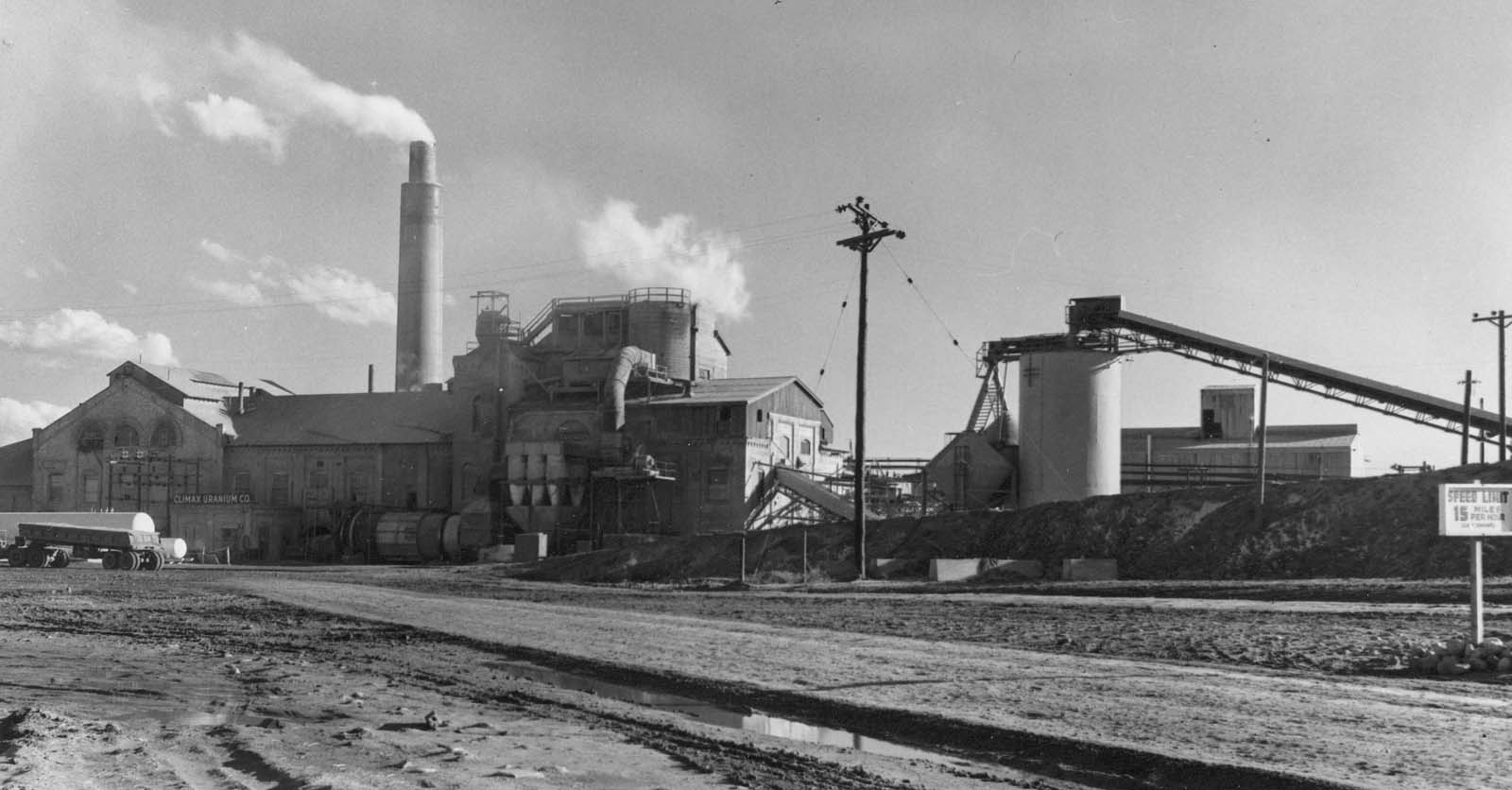
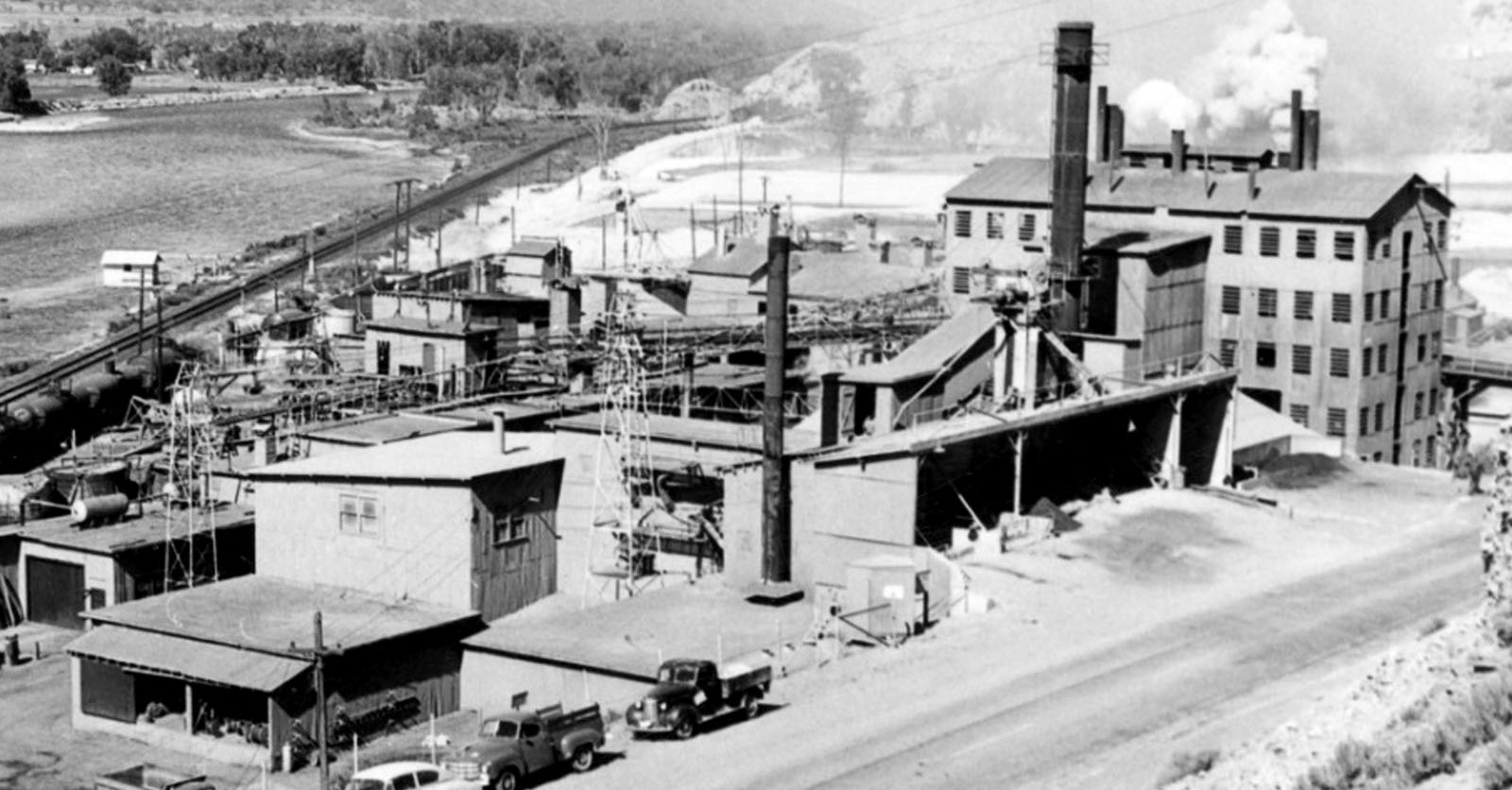
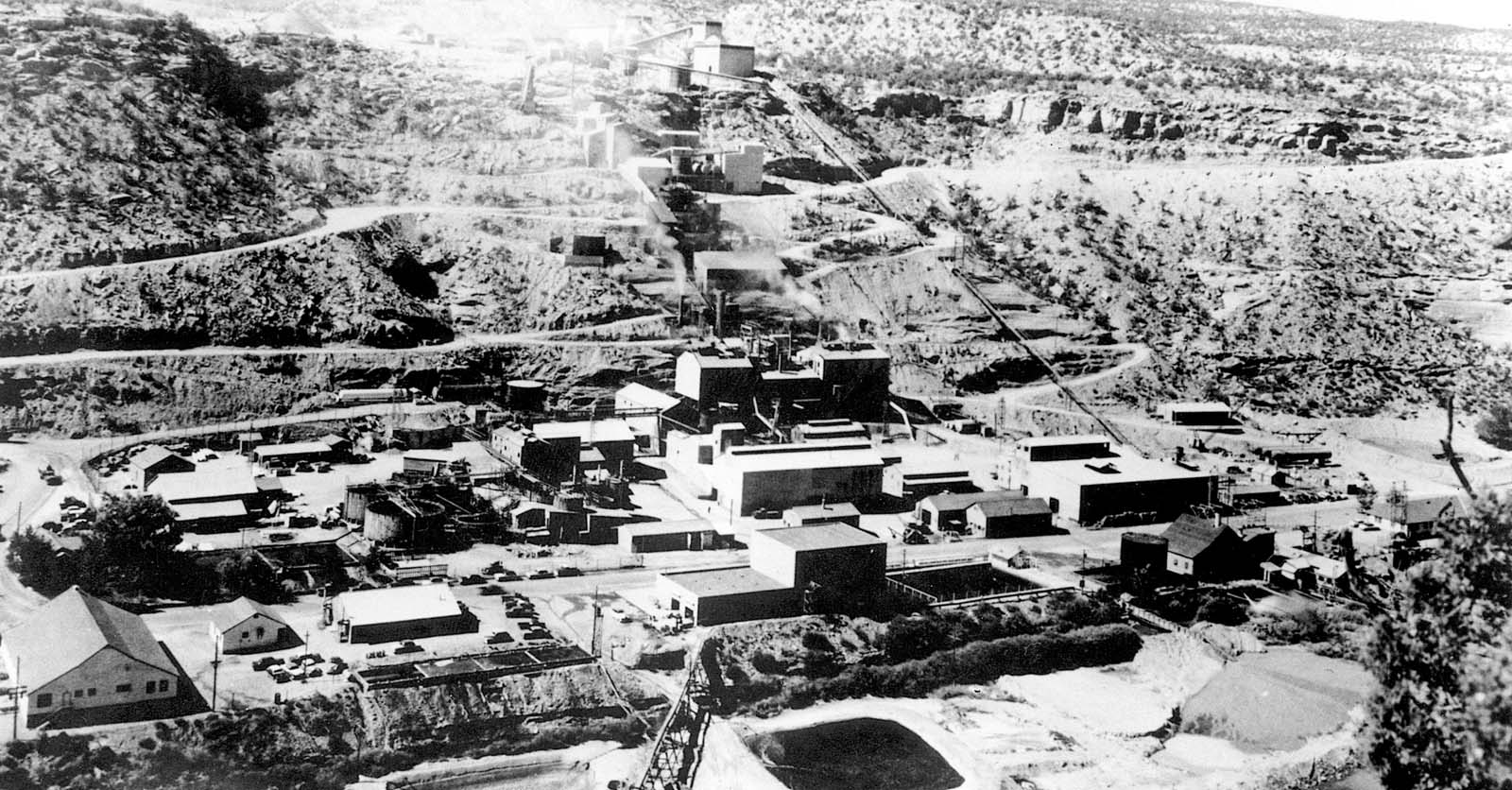
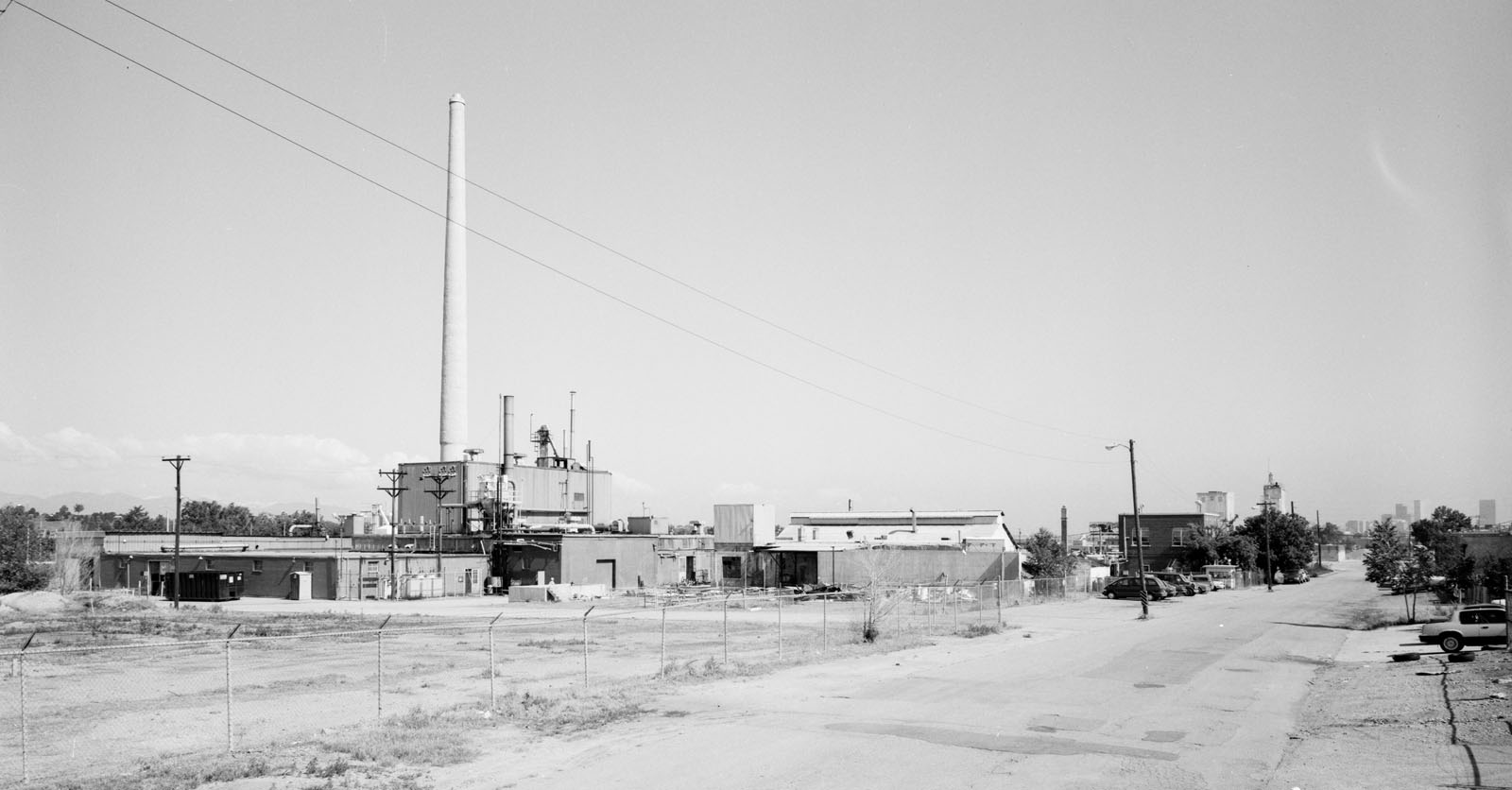
The uranium mill in Naturita, Colorado began as a vanadium processing facility, but in 1942 it was modified to recover uranium. That uranium was used to supply national defenses during World War II as the nation ramped up atomic-era production. The recovered uranium was sold to the federal government, including agencies like the Atomic Energy Commission (AEC), helping fuel nuclear weapons manufacturing, research and energy programs.
The site once supported a company town named Vancorum, named after the Vanadium Corporation of America (VCA), where workers and their families lived while the mill operated.
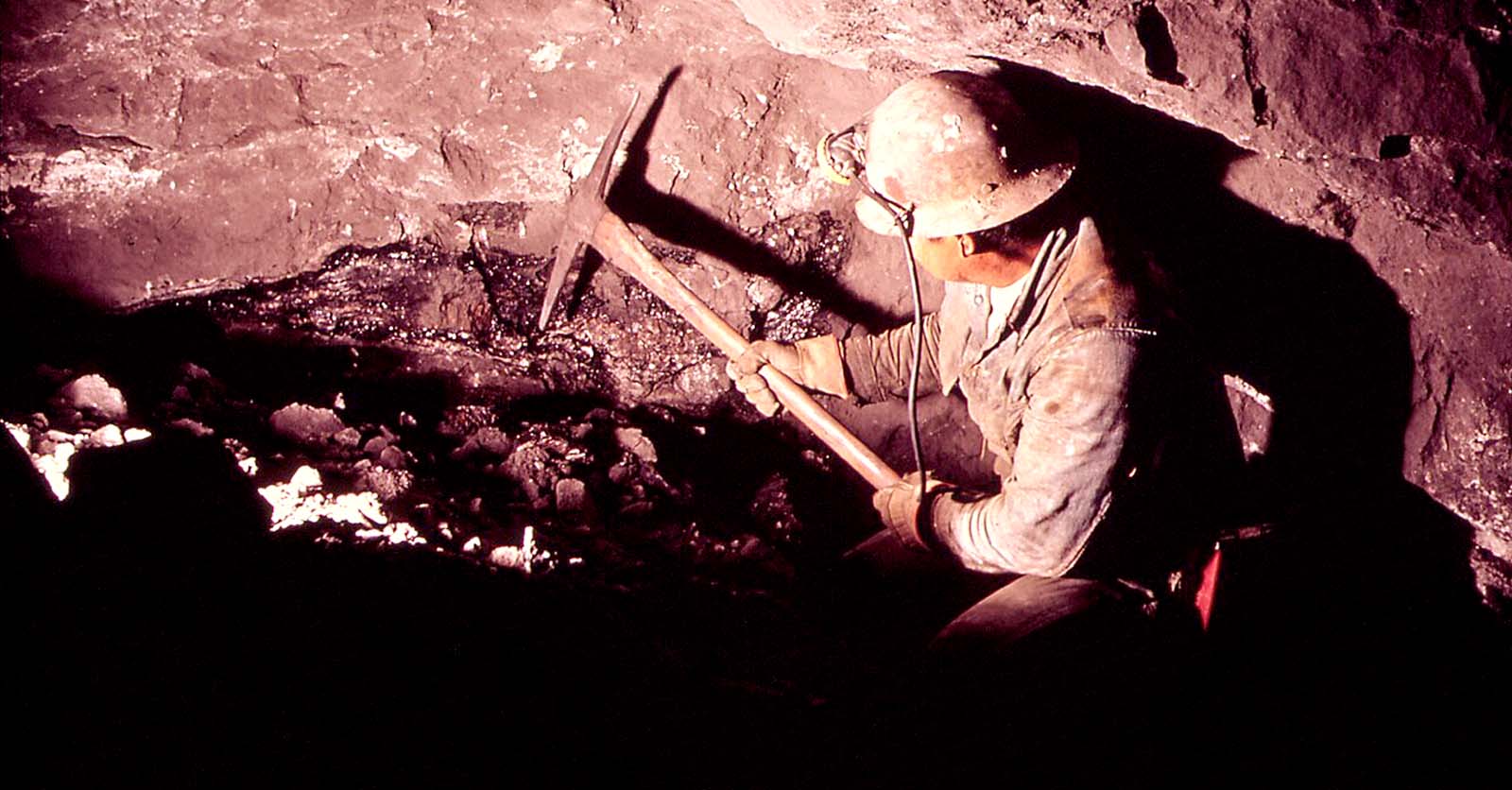
Because the mill processed uranium and vanadium ore and generated radioactive tailings, workers were exposed to significant hazards, including respiratory diseases, chemical and radiological effects, and long-term health conditions such as kidney damage, lung and other cancers, cardiopulmonary disorders, and reproductive complications.
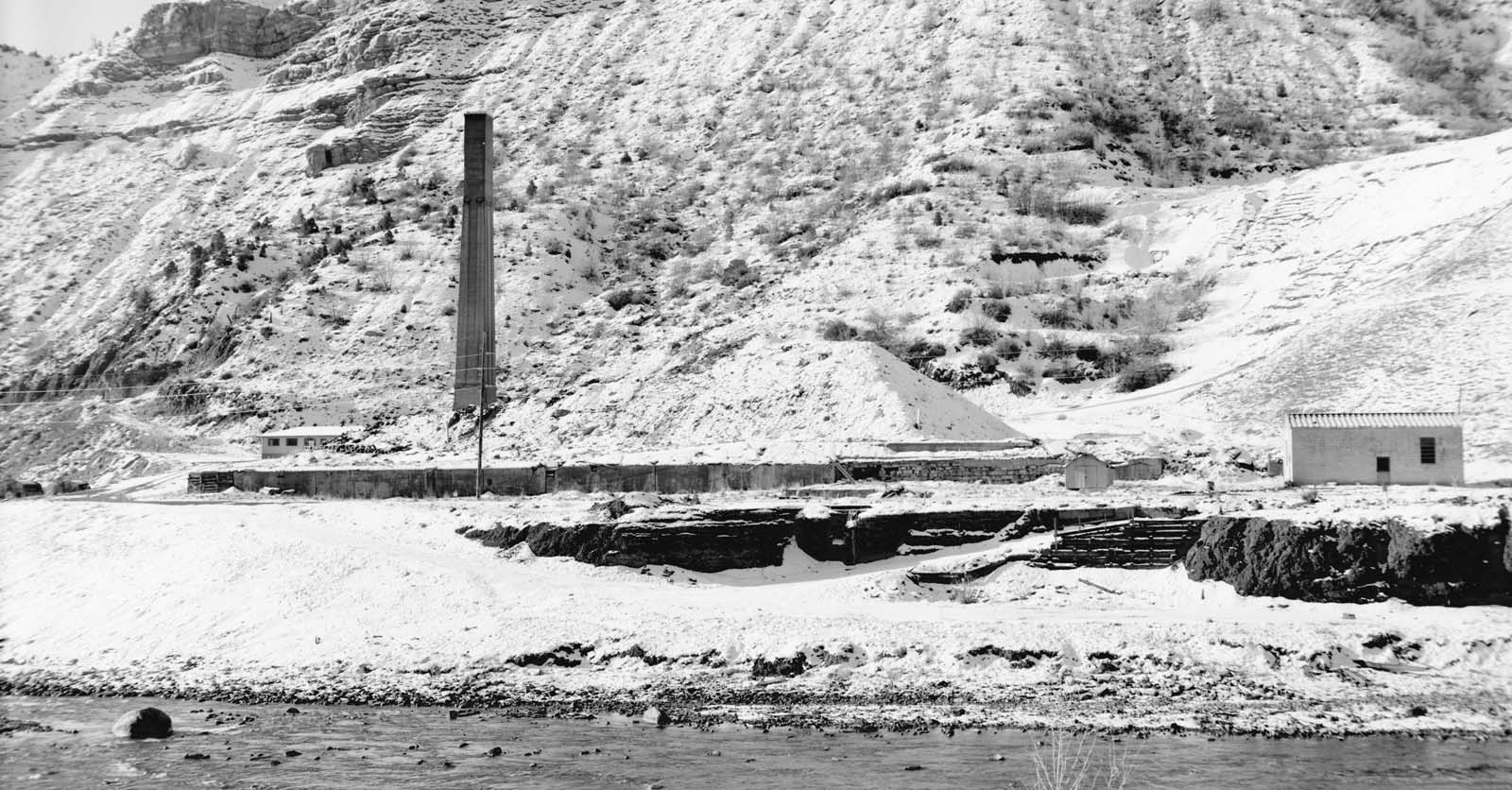
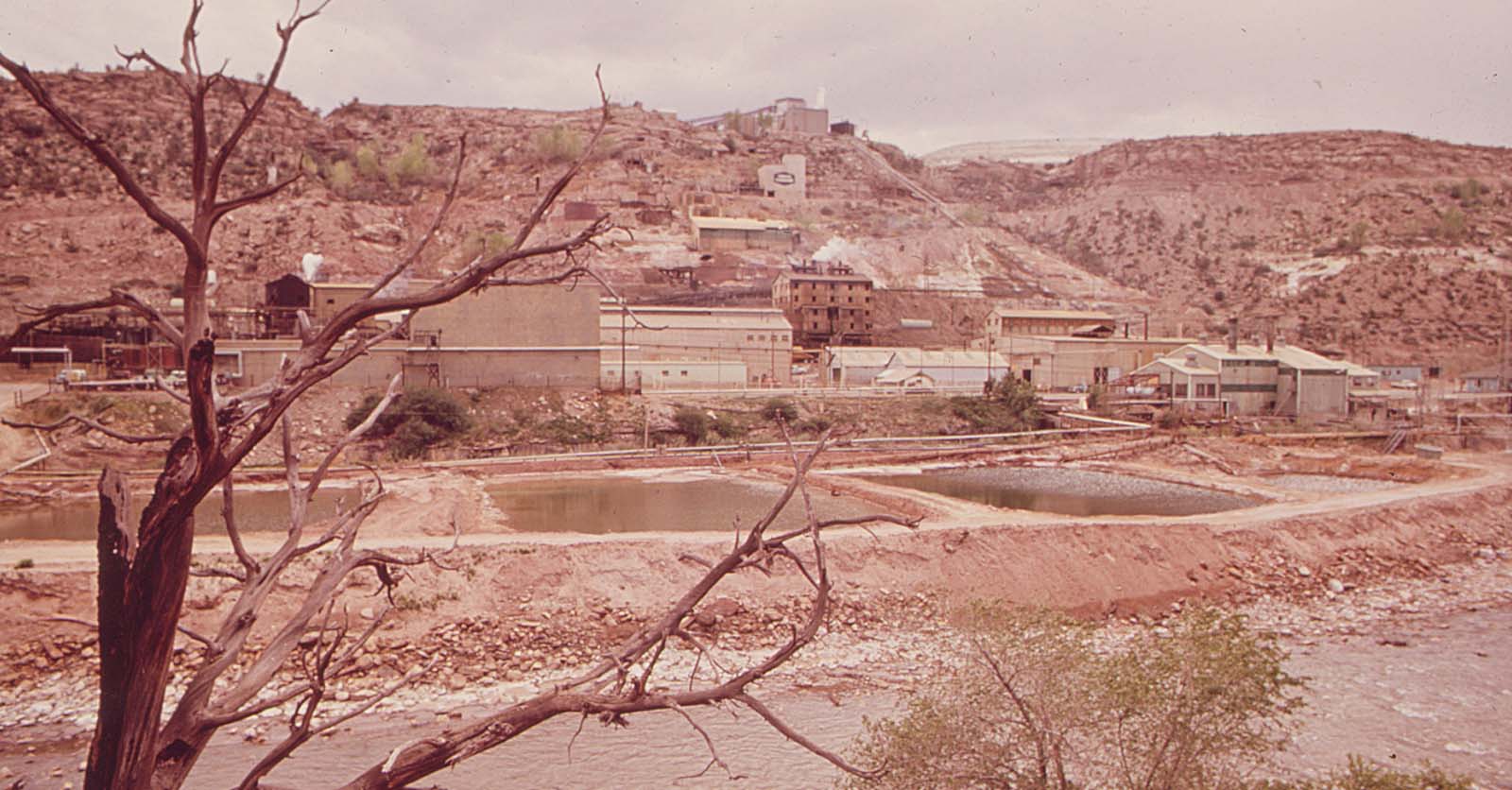
Environmentally, the processing, ore storage, and tailings generated contaminated soil, dust, and groundwater hazards. Tailings covered roughly 24 acres of the processing site and additional contamination affected nearly 126 acres on and around the site.
Over time, pore fluids from the tailings leaked uranium and vanadium into the shallow aquifers located under the site. Groundwater contamination resulted from this, both within the property as well as onto adjacent private lands.
Under the Uranium Mill Tailings Radiation Control Act (UMTRCA) of 1978, the inactive Naturita mill site was designated as a “Title I” site. This classification required comprehensive remediation and long-term oversight by the U.S. Department of Energy (DOE) to address environmental and health hazards associated with the site.
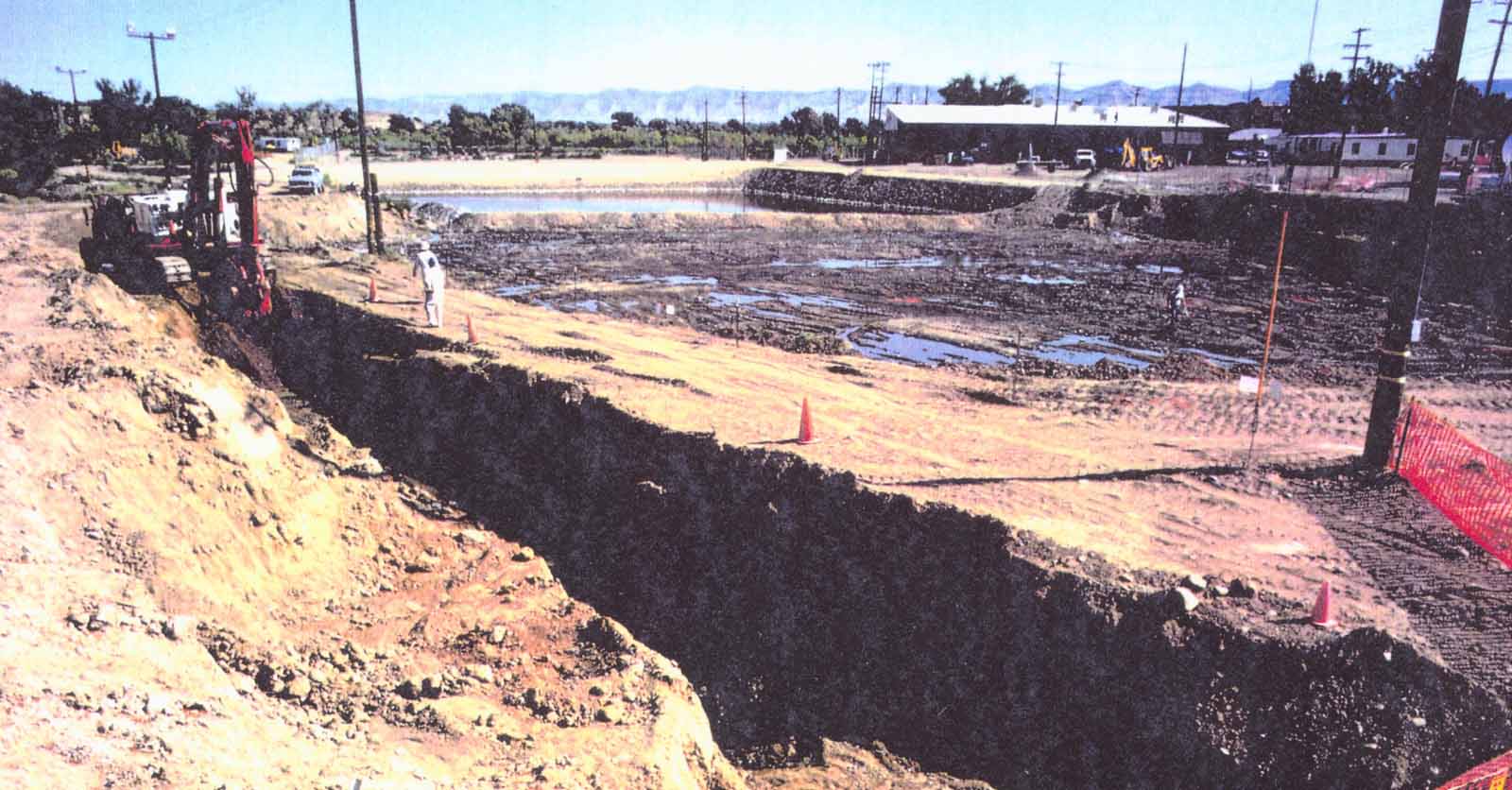
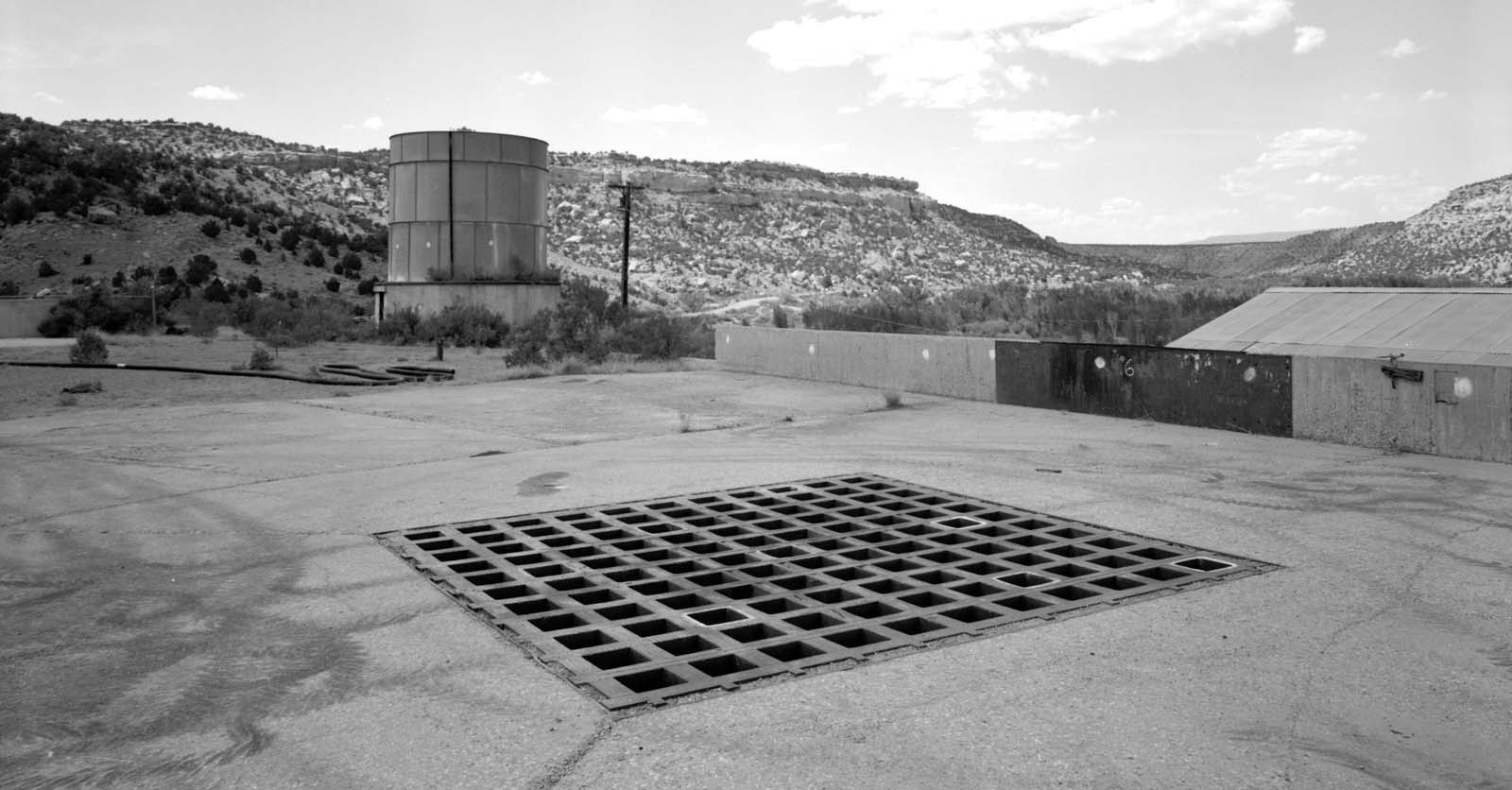
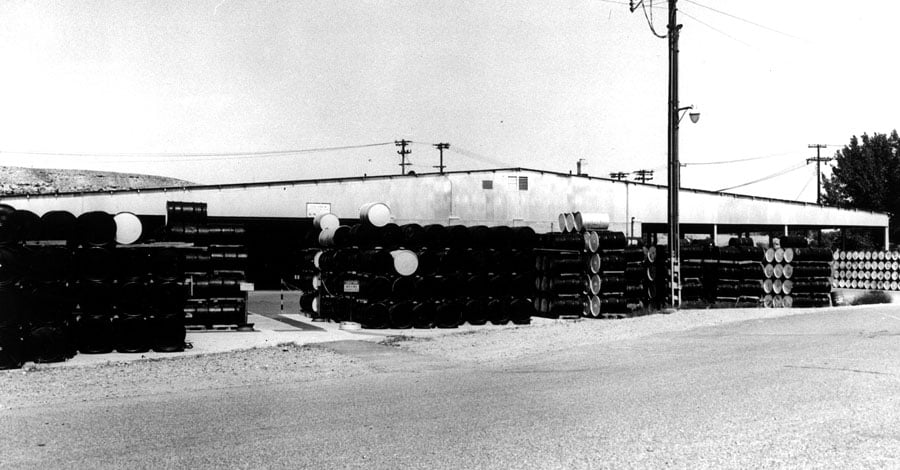
Between 1993 and 1998, the DOE undertook an extensive cleanup effort, removing approximately 490 acres of contaminated soil and debris from the mill and surrounding properties. These materials were transported to an engineered disposal cell located about 15 miles northwest of the mill, near the former town of Uravan. The disposal cell, a 9-acre pentagon-shaped structure, was specifically designed to isolate radioactive waste for the long term and prevent the release of radon, groundwater infiltration, and erosion.
Today, some groundwater contamination persists, primarily involving uranium and vanadium. Rather than conducting additional cleanup, the DOE manages the site through Alternate Concentration Limits (ACLs), institutional controls, and routine sampling to ensure ongoing protection and compliance.
The Naturita Uranium Mill is covered under The Radiation Exposure Compensation Act (RECA).
RECA by itself provides lump sum compensation and does not cover healthcare costs. But uranium workers who are approved for RECA compensation may also qualify for lifetime healthcare benefits for covered conditions under the Energy Employees Occupational Illness Compensation Program Act or the EEOICPA White Card Program.
DOE contractors conducted environmental remediation under the Uranium Mill Tailings Radiation Control Act, addressing hazardous materials from May to November 1994 and again from June 1996 to September 1998. Workers involved may also qualify for lifetime healthcare benefits for covered conditions under the EEOICPA White Card Program.
As of December 2025, Naturita Uranium Mill workers have received almost $3 million in EEOICPA compensation and medical bills paid.


Let us check if you or a loved one qualifies for up to $400,000 plus free medical care in the comfort of home.
Your pathway to care starts with Trusted Ally Home Care. Get started today and let us guide you through the process of receiving the care you or a loved one deserves.
Trusted Ally Staff : Mar 28, 2025, 10:27:59 AM

Trusted Ally Staff : Jan 8, 2026, 10:48:04 AM
Trusted Ally Staff : Mar 21, 2025, 3:40:18 PM
Trusted Ally Staff : Jan 8, 2026, 4:30:47 PM
Trusted Ally Staff : Mar 17, 2025, 2:49:54 PM
Trusted Ally Staff : Oct 2, 2024, 3:21:29 PM
Trusted Ally Staff : May 1, 2025, 12:37:09 PM
Trusted Ally Staff : Mar 4, 2024, 3:56:52 PM