

 Trusted Ally Staff
Slick Rock Uranium Mill No. 2 (West): Approved for EEOICPA benefits
 Trusted Ally Staff : Jan 8, 2026, 4:30:47 PM

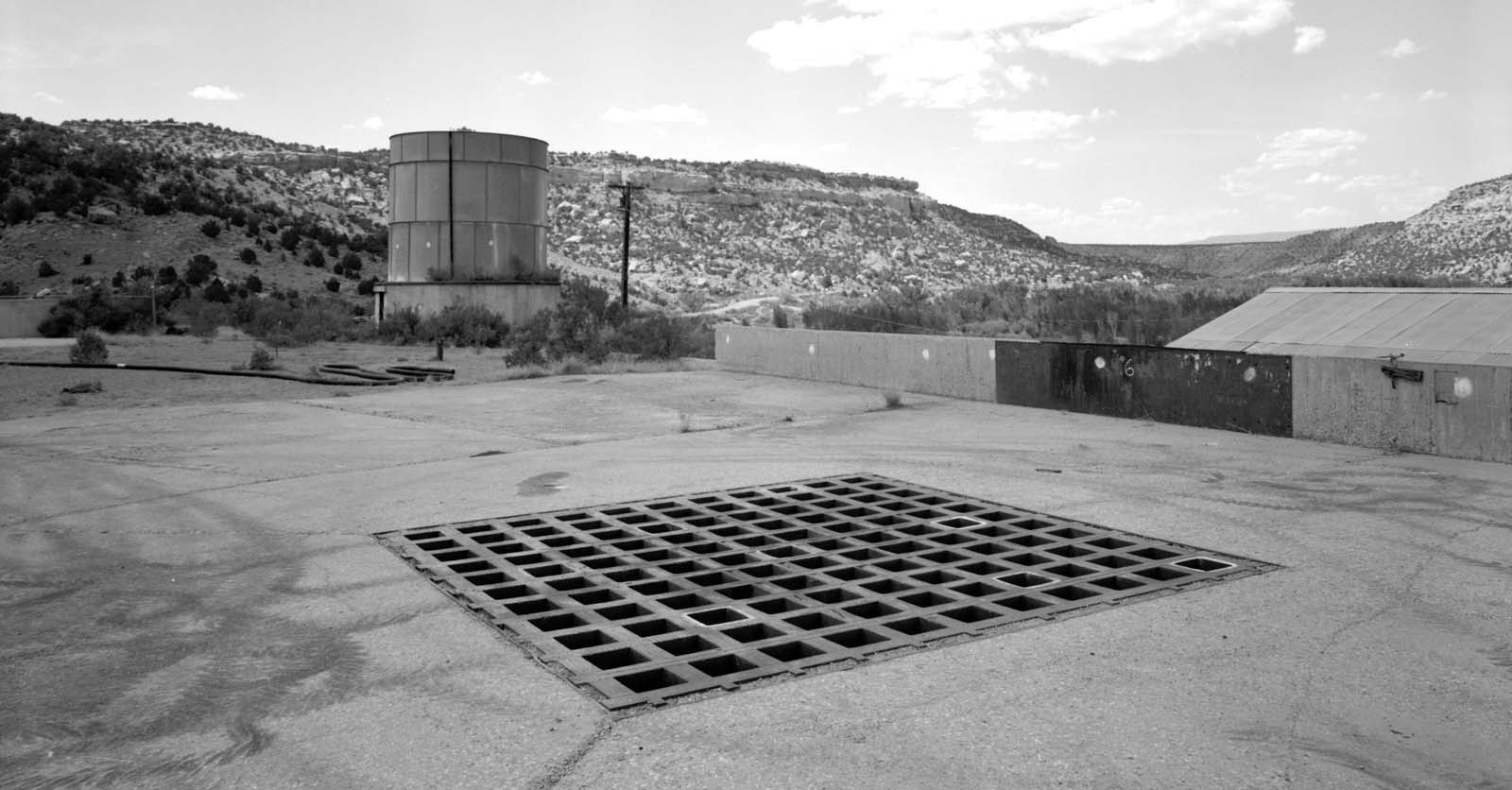
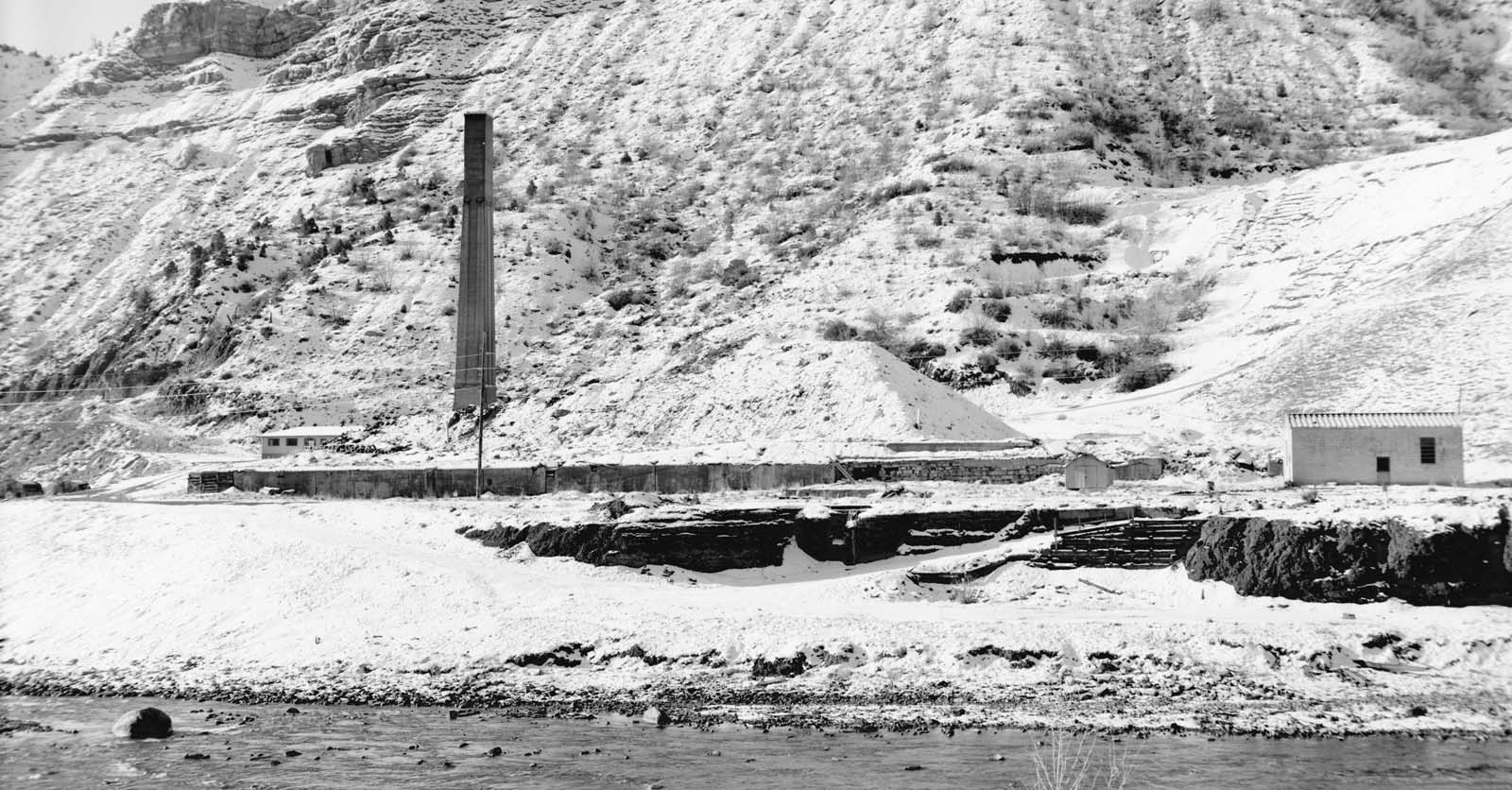
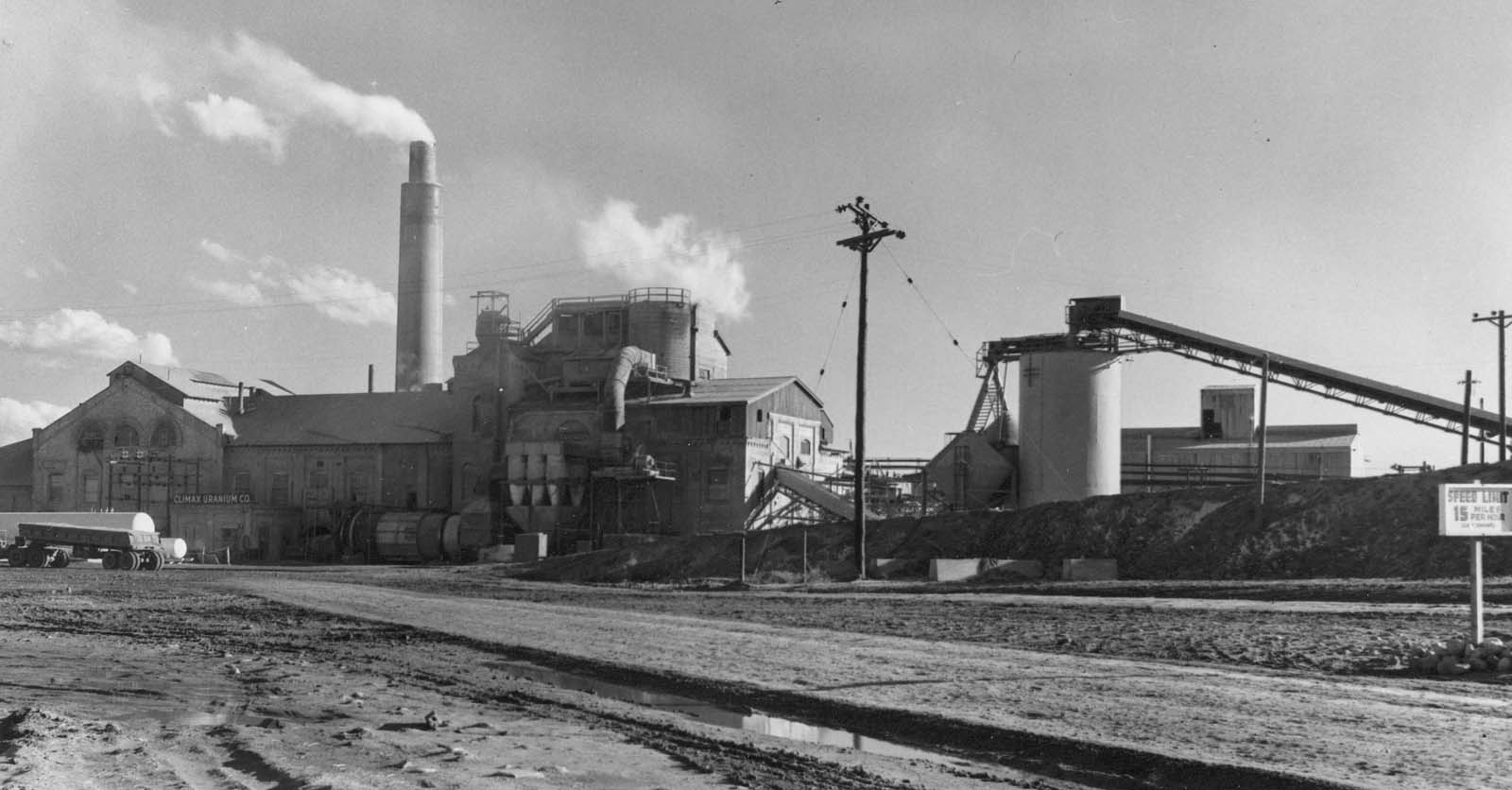
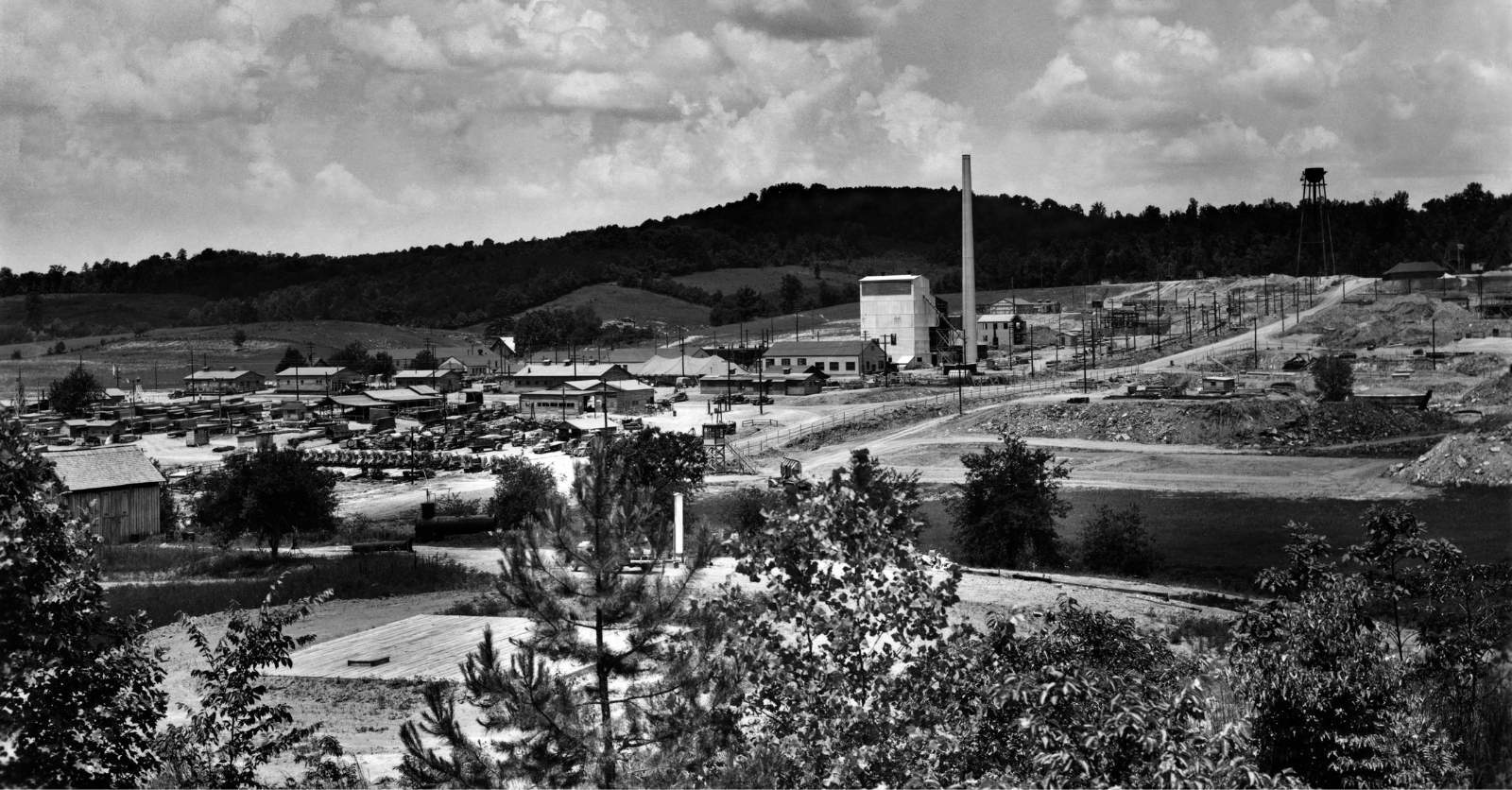
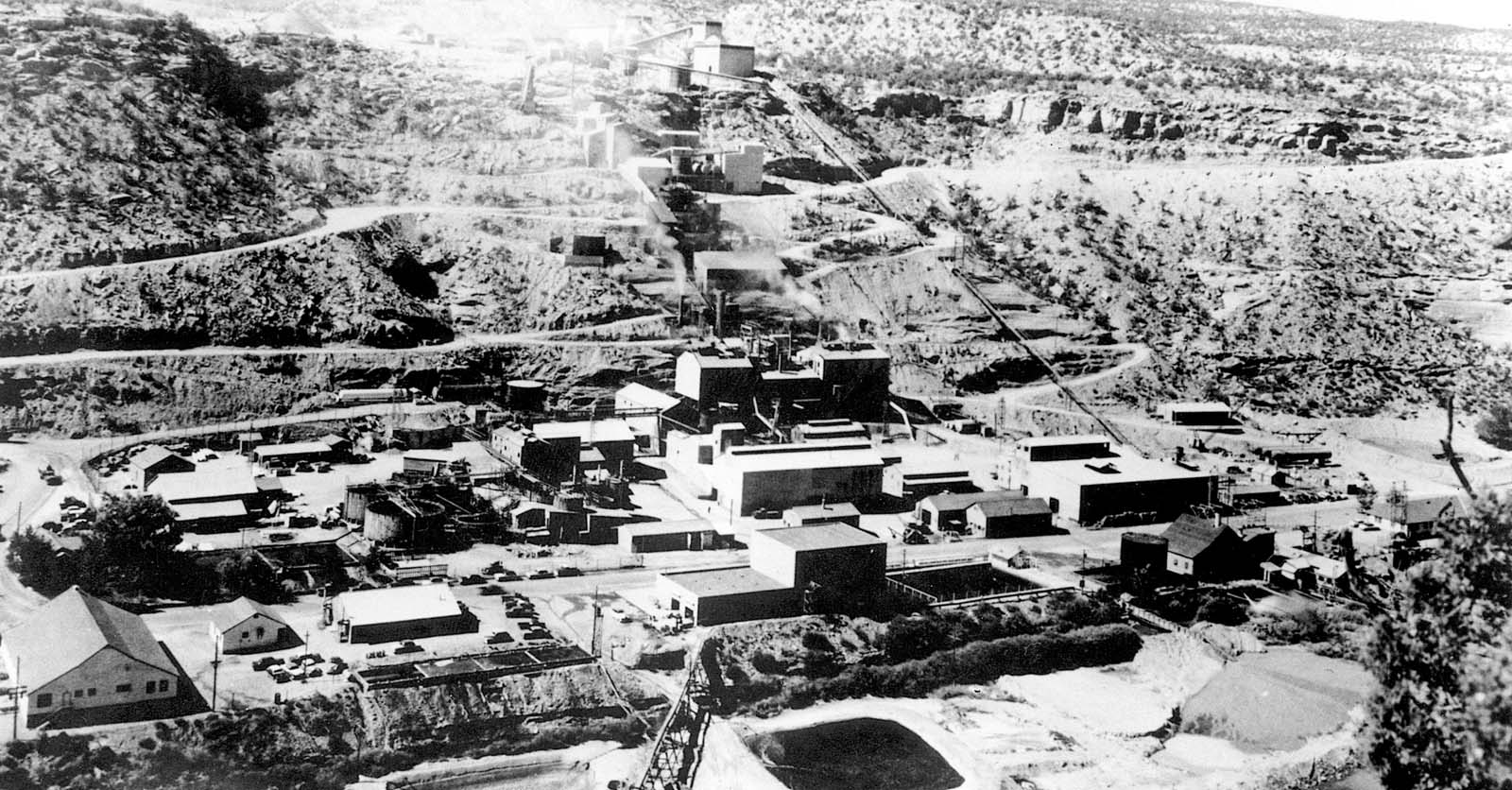
The Slick Rock Uranium Mill No. 1 (East), also known as the Slick Rock East Site, is located in a remarkably remote area. About 22 miles north of Dove Creek, CO in the state’s southwestern region, the site is tucked in to a rugged landscape along the Dolores River. Slick Rock East was a part of the U.S. surge in uranium production during and after World War II. The mill originally processed vanadium and radium from locally mined ore, but beginning around 1945, the facility was taken over by the federal government to produce uranium for the emerging atomic-age needs, including the program that became the atomic weapons effort. The uranium recovered at the Slick Rock East Site contributed not only to the national uranium supply fueling nuclear weapons but also fueled early nuclear research and energy efforts under government contracts.

Potential risks to workers are a result of the radiation, radioactive dust, radon gas, and heavy medals produced by the mill's operations. These risks may include lung diseases, lung cancers and kidney issues. Because this site operated during a time when radiation protection rules and airborne particle safeguards were less strict than in later years, exposure levels may have been higher than what future regulations would allow.
The mill operated through the early 1960’s, processing ore from mines across the Colorado Plateau. Like many mills of its time, it produced large volumes of radioactive tailings, which contained uranium, radium, vanadium, selenium, and other contaminants. These tailings were stored on-site and, over time, contributed to environmental contamination, including impacts to shallow groundwater and surrounding soils. While surface water in the nearby Dolores River showed no measurable effect, airborne dust, radon, and groundwater contamination raised long-term concerns for the surrounding communities. The grounds of the mill were reseeded with native grasses after remediation efforts were completed.
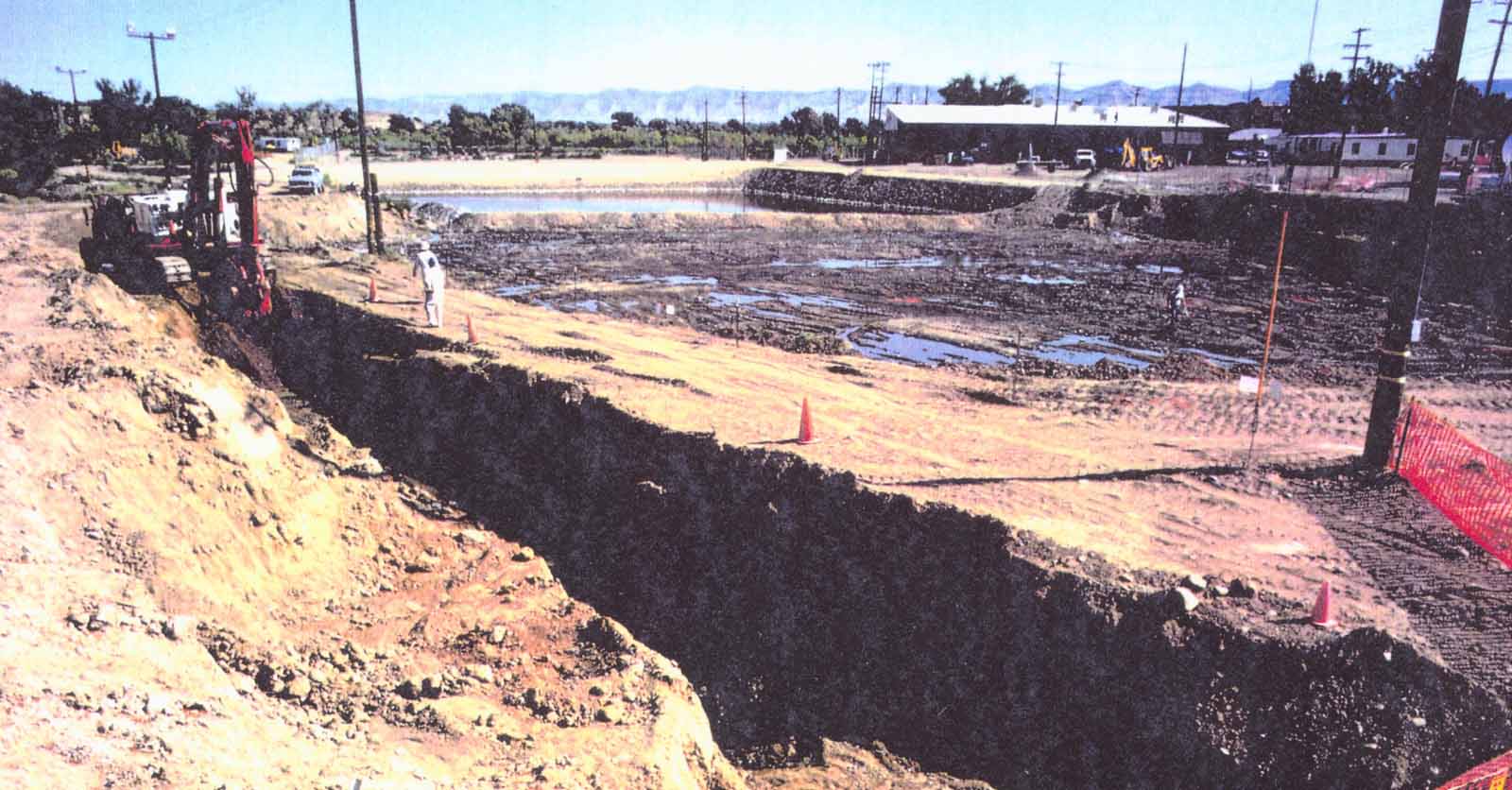
In 1995, the DOE began remediation of the Slick Rock East Site under the Uranium Mill Tailings Radiation Control Act (UMTRCA). Approximately 129,000 cubic yards of radioactive tailings and contaminated materials were excavated and transported to the engineered Burro Canyon disposal cell located about five miles east of the site. By 1996, the original mill site was recontoured, mill structures were removed, and the area was reseeded with native vegetation to restore ecological stability.
Groundwater beneath the site was found to contain elevated levels of uranium and selenium. The DOE implemented a compliance strategy based on natural flushing, allowing contaminants to gradually dilute and migrate out of the affected aquifer over time. This approach is supported by ongoing groundwater and surface water monitoring, institutional controls to prevent exposure, and the establishment of alternate concentration limits for certain contaminants.
Since 1998, the site has been managed by the DOE Office of Legacy Management. This includes annual inspections of the disposal cell, maintenance of monitoring wells, and regular sampling to ensure compliance with environmental standards. Updated Long-Term Surveillance Plans guide these activities, and periodic reports confirm that contaminant levels are trending downward and the disposal cell remains stable, ensuring long-term protection of human health and the environment.
The Slick Rock East Site is covered under The Radiation Exposure Compensation Act (RECA).
RECA by itself provides lump sum compensation and does not cover healthcare costs. But uranium workers who are approved for RECA compensation may also qualify for lifetime healthcare benefits for covered conditions under the Energy Employees Occupational Illness Compensation Program Act or the EEOICPA White Card Program.
DOE contractors conducted environmental remediation under the Uranium Mill Tailings Radiation Control Act, addressing hazardous materials from 1995 to 1996. Workers involved may also qualify for lifetime healthcare benefits for covered conditions under the EEOICPA White Card Program.
As of January 2026, Slick Rock East Site workers have received over $1.2 million in EEOICPA compensation and medical bills paid.


Let us check if you or a loved one qualifies for up to $400,000 plus free medical care in the comfort of home.
Your pathway to care starts with Trusted Ally Home Care. Get started today and let us guide you through the process of receiving the care you or a loved one deserves.
Trusted Ally Staff : Jan 8, 2026, 4:30:47 PM
Trusted Ally Staff : Mar 28, 2025, 10:27:59 AM
Trusted Ally Staff : Mar 21, 2025, 3:40:18 PM
Trusted Ally Staff : Oct 2, 2024, 3:21:29 PM
Trusted Ally Staff : Mar 17, 2025, 2:49:54 PM
Trusted Ally Staff : May 1, 2025, 12:37:09 PM