
 Trusted Ally Staff
Slick Rock Uranium Mill No. 1 (East): Approved for EEOICPA benefits
 Trusted Ally Staff : Jan 8, 2026, 10:48:04 AM

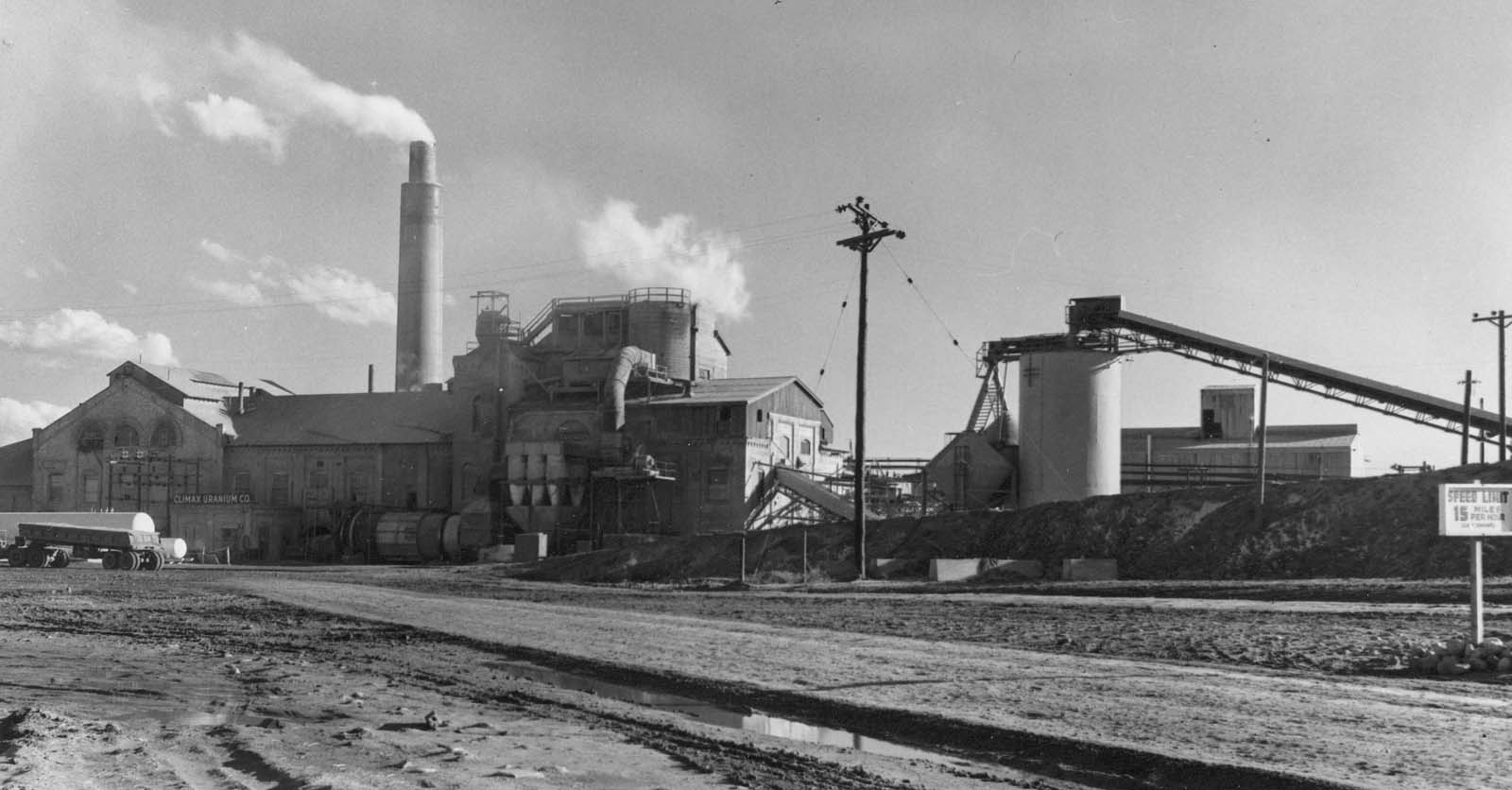
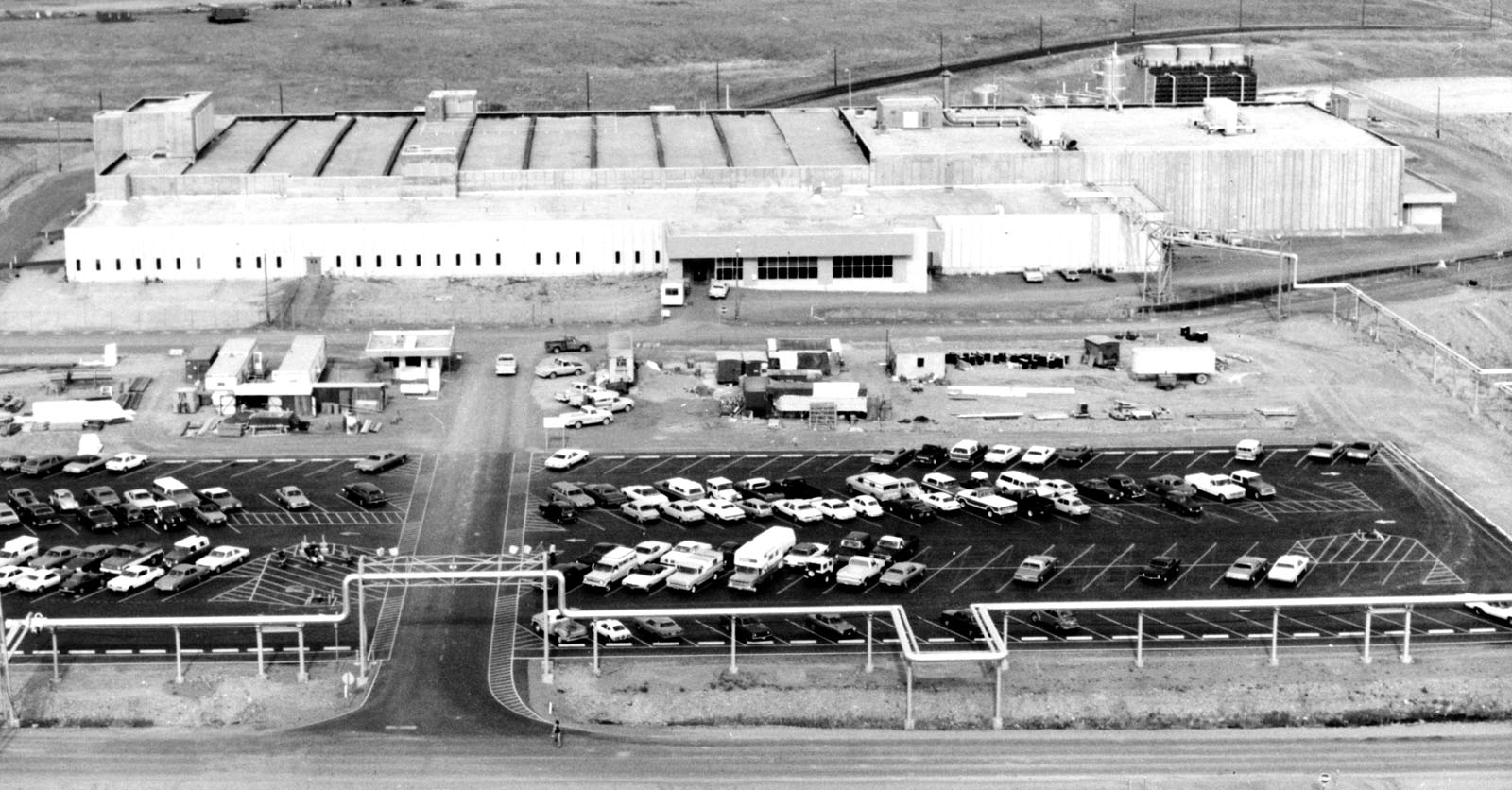
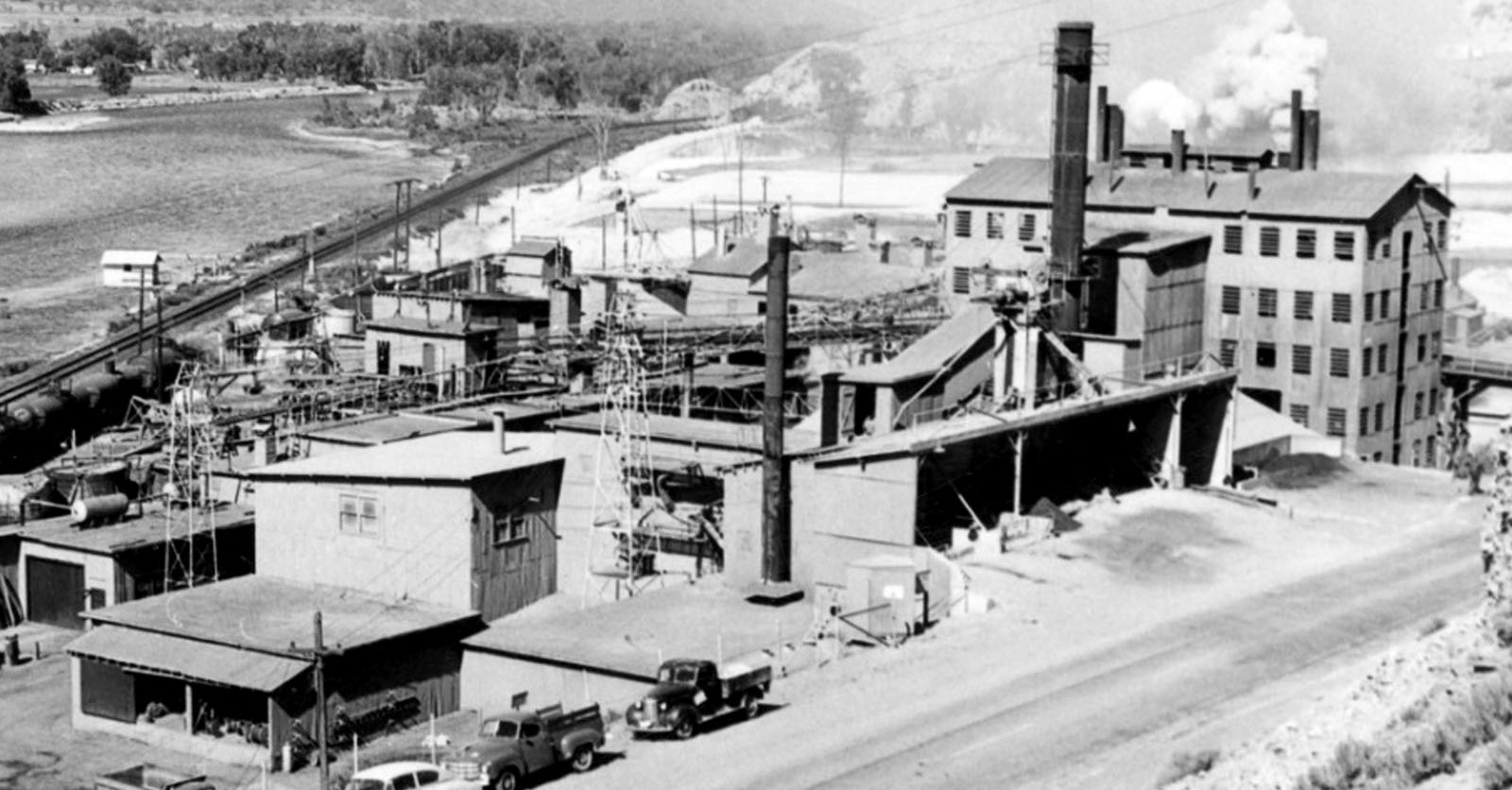
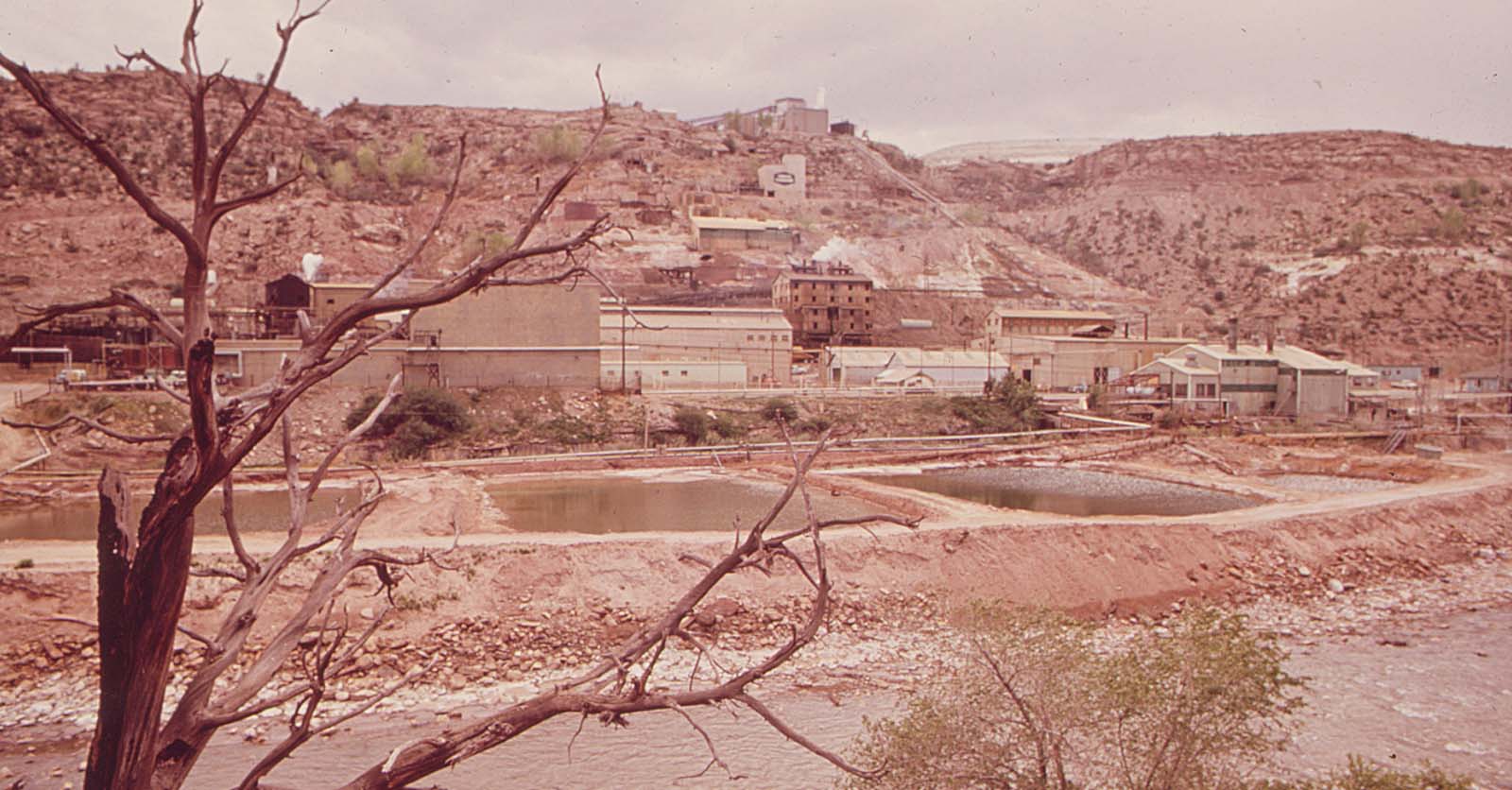
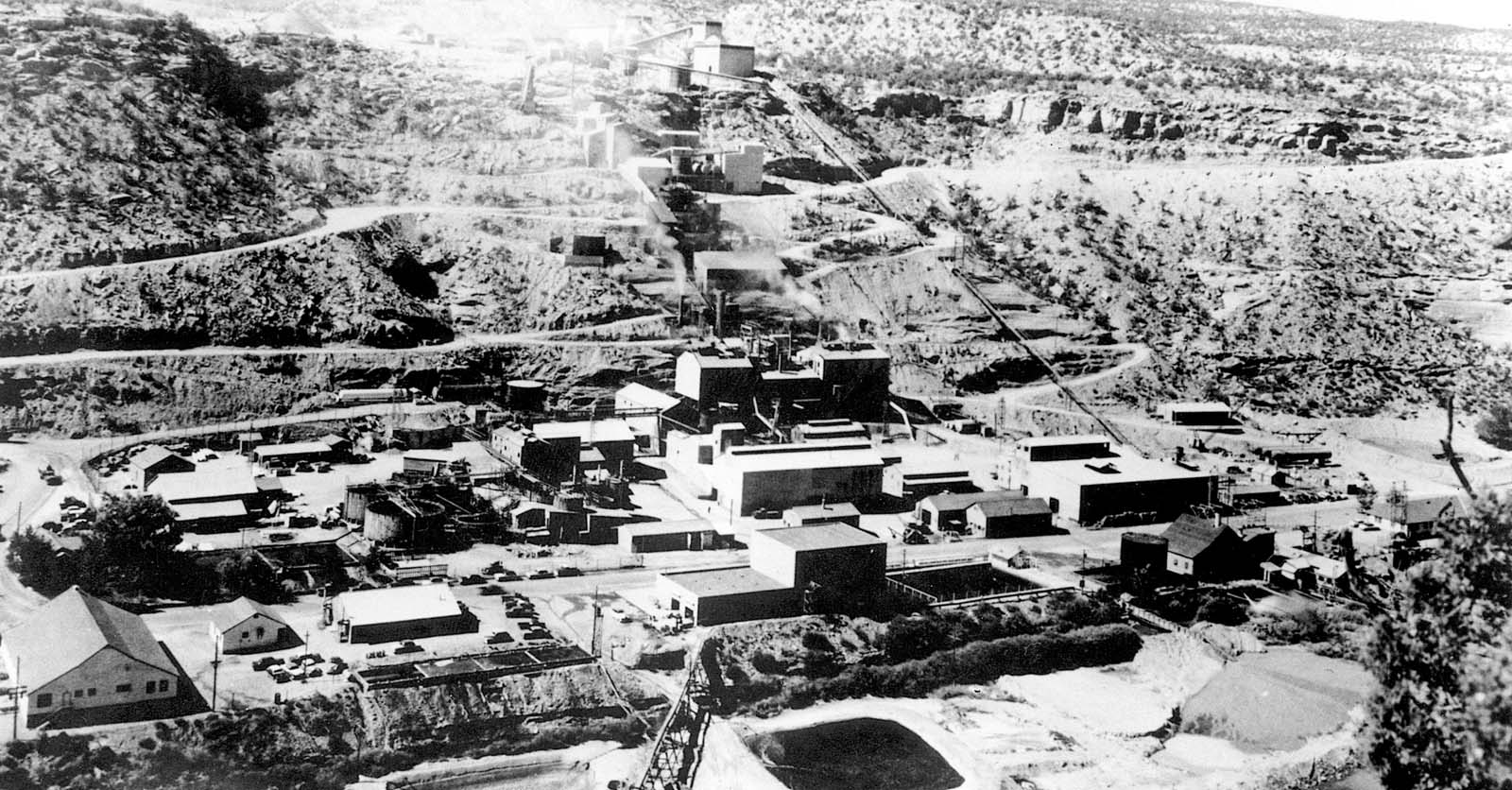
The Slick Rock Uranium Mill No. 2 (West), also known as Slick Rock West, played an important role in America’s Cold War nuclear supply chain. The production at the Slick Rock East Site (No. 1) was initially connected to early medical treatments and luminous consumer products, whereas the production from Slick Rock West was tied almost exclusively to industrial and defense uses. The layout and equipment found at Slick Rock West were more modern than its Eastern counterpart and were better suited for higher-volume Cold War production.

Workers at Slick Rock West were exposed to radioactive dust, radon gas, and heavy metals such as uranium and vanadium, often without the protections that exist today.
These exposures have since been linked to increased risks of lung disease, lung cancer, kidney damage, and other chronic health conditions among uranium mill workers throughout the region.
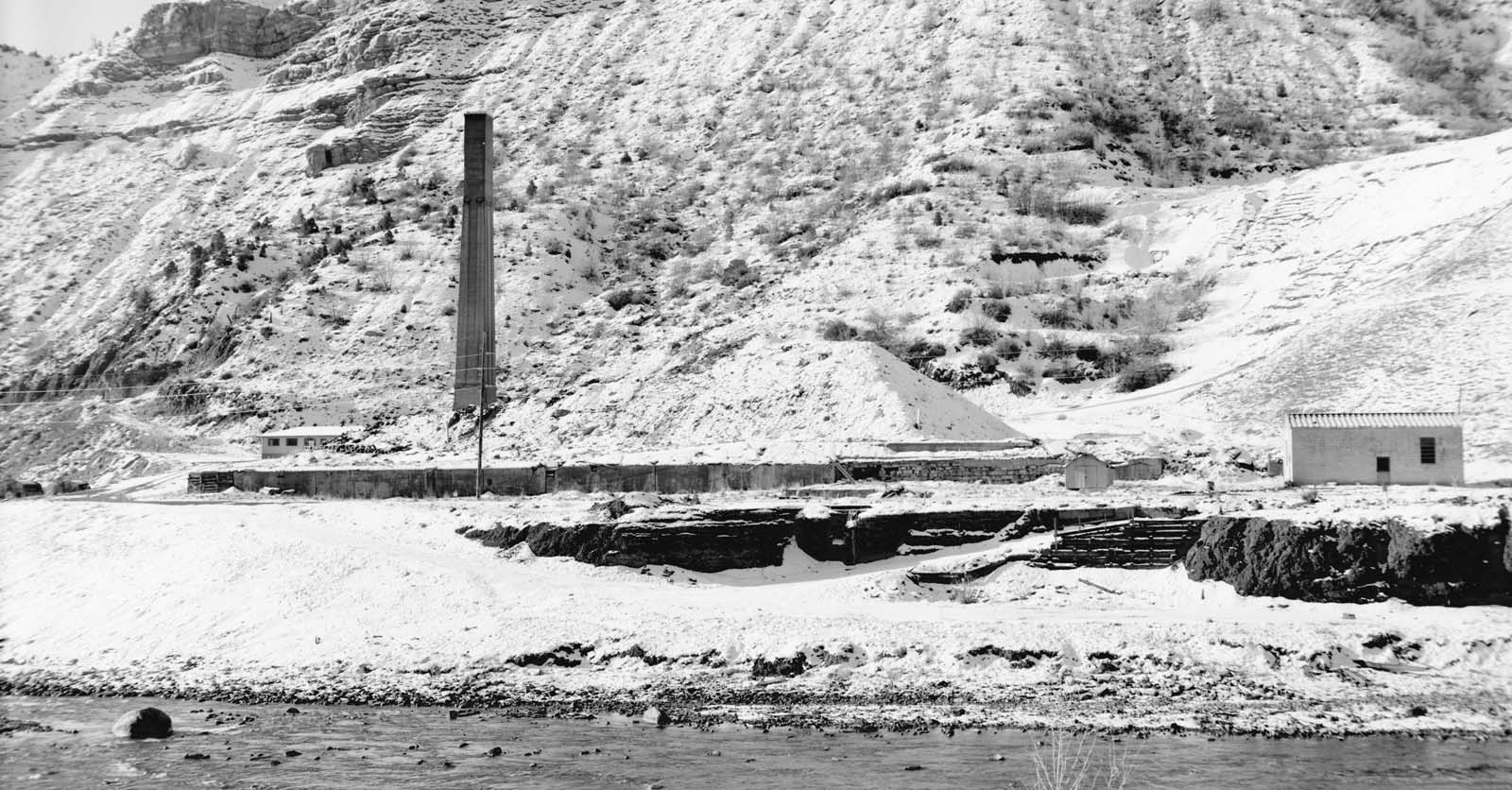
The environmental impact of Slick Rock West was substantial. Tailings and contaminated soils were left on-site near the river, leading to concerns about groundwater contamination, windblown radioactive dust, and long-term ecological effects. Although the area was sparsely populated, the proximity to natural waterways made cleanup critical. Because the groundwater contamination concerns were more pronounced at the West site than at the East site, it influenced how the DOE approached long-term monitoring and became an important case study in groundwater compliance strategies under the UMTRCA.
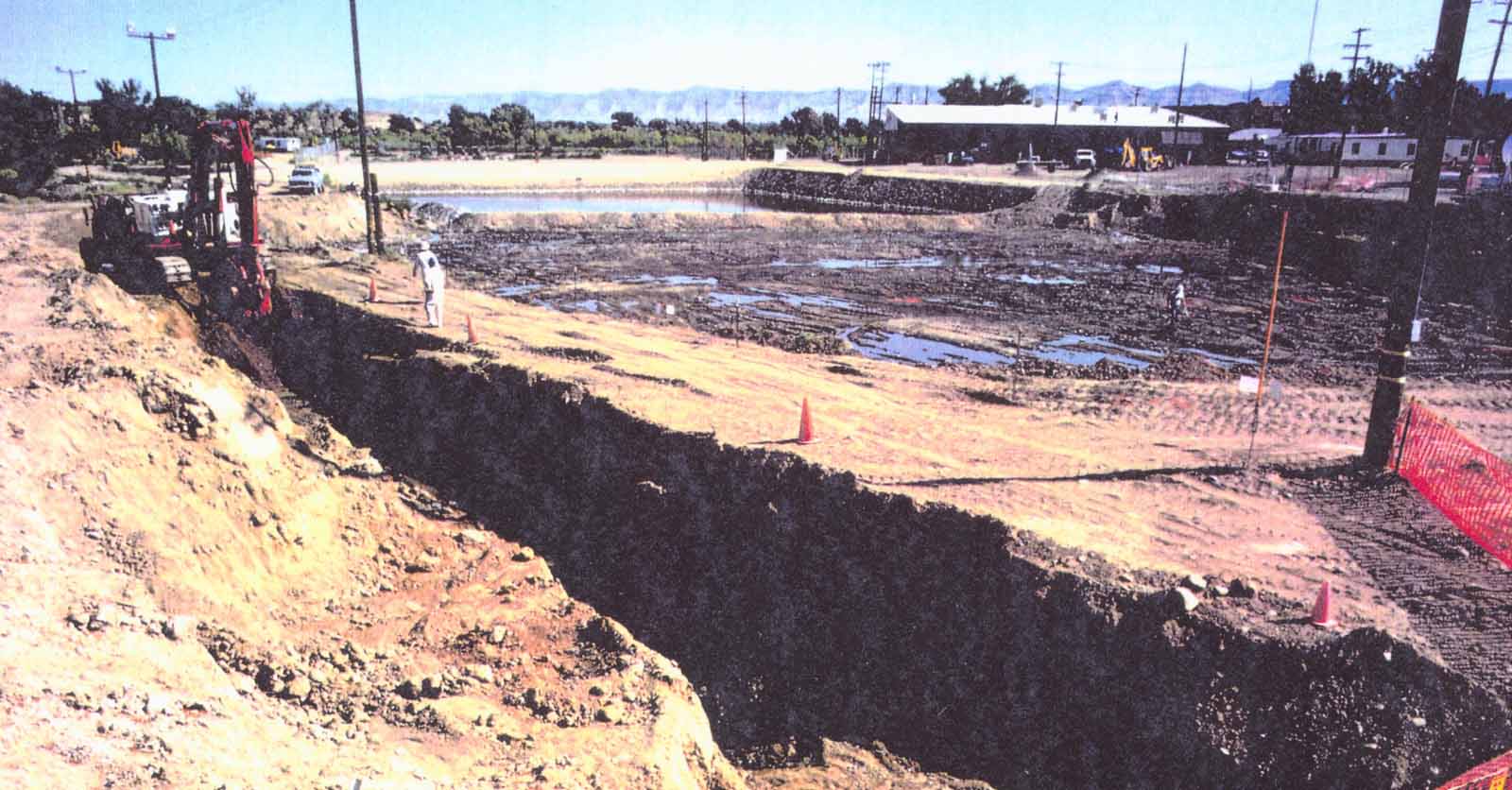
In response, the DOE took responsibility for remediation under the UMTRCA. Between 1995 and 1996, contaminated materials from Slick Rock West, along with those from the neighboring East site, were removed and transported to a secure disposal cell several miles away. More than 778,000 cubic yards of contaminated tailings and soil were removed from the site.
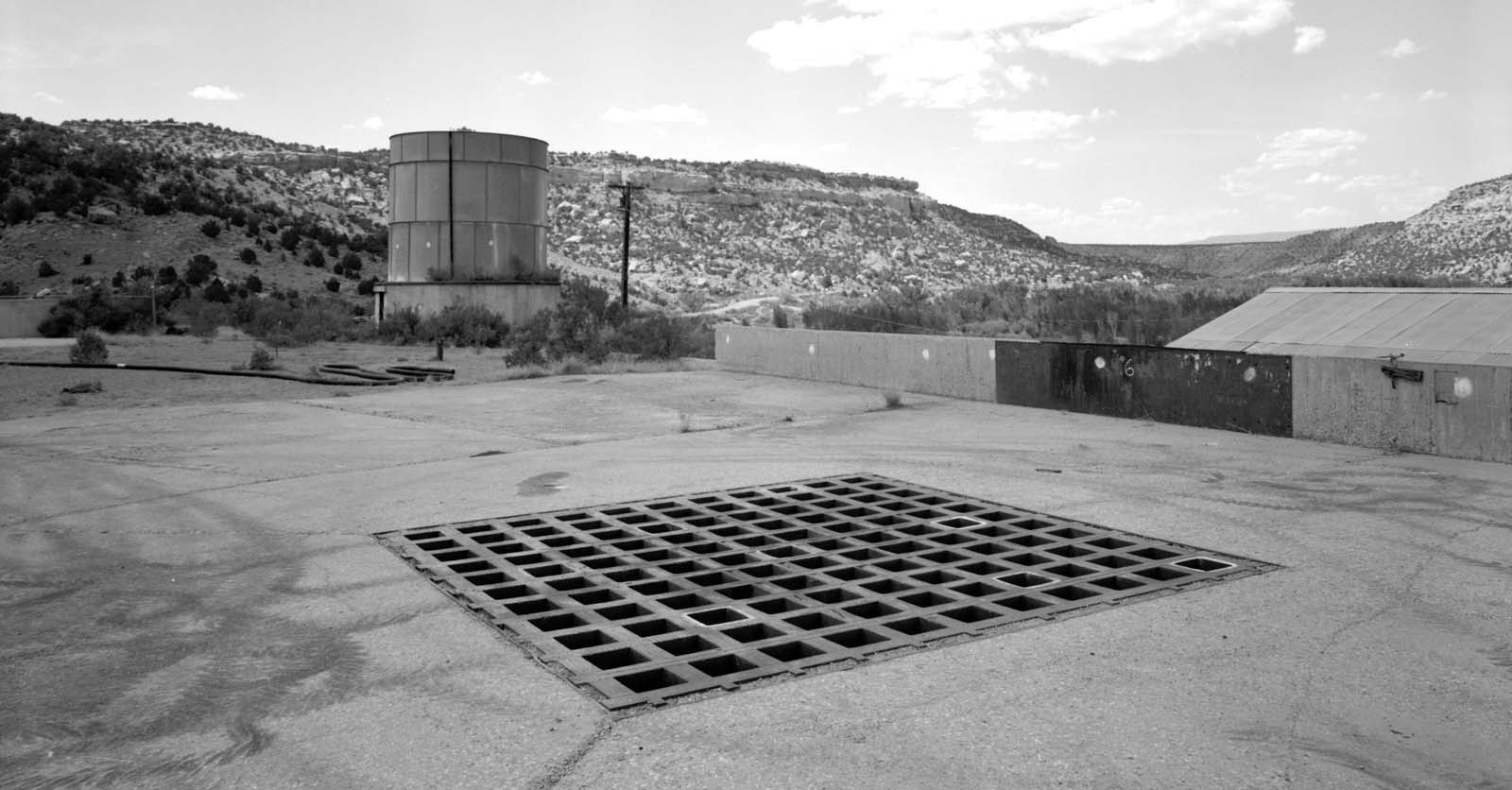
After cleanup efforts, Slick Rock West was regraded and reseeded to appear almost indistinguishable from the surrounding landscape, thus making the former site almost invisible. This was intentional and reflected the later-generation DOE reclamation practices. The site is still monitored under the DOE’s Office of Legacy Management.
Slick Rock West is covered under The Radiation Exposure Compensation Act (RECA).
RECA by itself provides lump sum compensation and does not cover healthcare costs. But uranium workers who are approved for RECA compensation may also qualify for lifetime healthcare benefits for covered conditions under the Energy Employees Occupational Illness Compensation Program Act or the EEOICPA White Card Program.
DOE contractors conducted environmental remediation under the Uranium Mill Tailings Radiation Control Act, addressing hazardous materials from 1995 to 1996. Workers involved may also qualify for lifetime healthcare benefits for covered conditions under the EEOICPA White Card Program.
As of January 2026, Slick Rock West workers have received over $530,000 in EEOICPA compensation and medical bills paid.

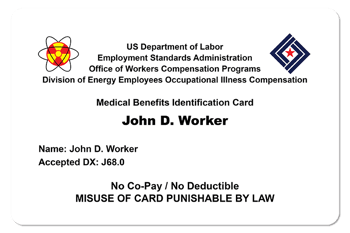
Let us check if you or a loved one qualifies for up to $400,000 plus free medical care in the comfort of home.
Your pathway to care starts with Trusted Ally Home Care. Get started today and let us guide you through the process of receiving the care you or a loved one deserves.
Trusted Ally Staff : Jan 8, 2026, 10:48:04 AM
Trusted Ally Staff : Mar 28, 2025, 10:27:59 AM
Trusted Ally Staff : Mar 21, 2025, 3:40:18 PM
Trusted Ally Staff : Mar 17, 2025, 2:49:54 PM
Trusted Ally Staff : Apr 11, 2025, 10:37:34 AM
Trusted Ally Staff : Oct 2, 2024, 3:21:29 PM