

 Trusted Ally Staff
Old Uranium Mill in Rifle, Colorado: Approved for EEOICPA benefits
 Trusted Ally Staff : Mar 28, 2025, 10:27:59 AM

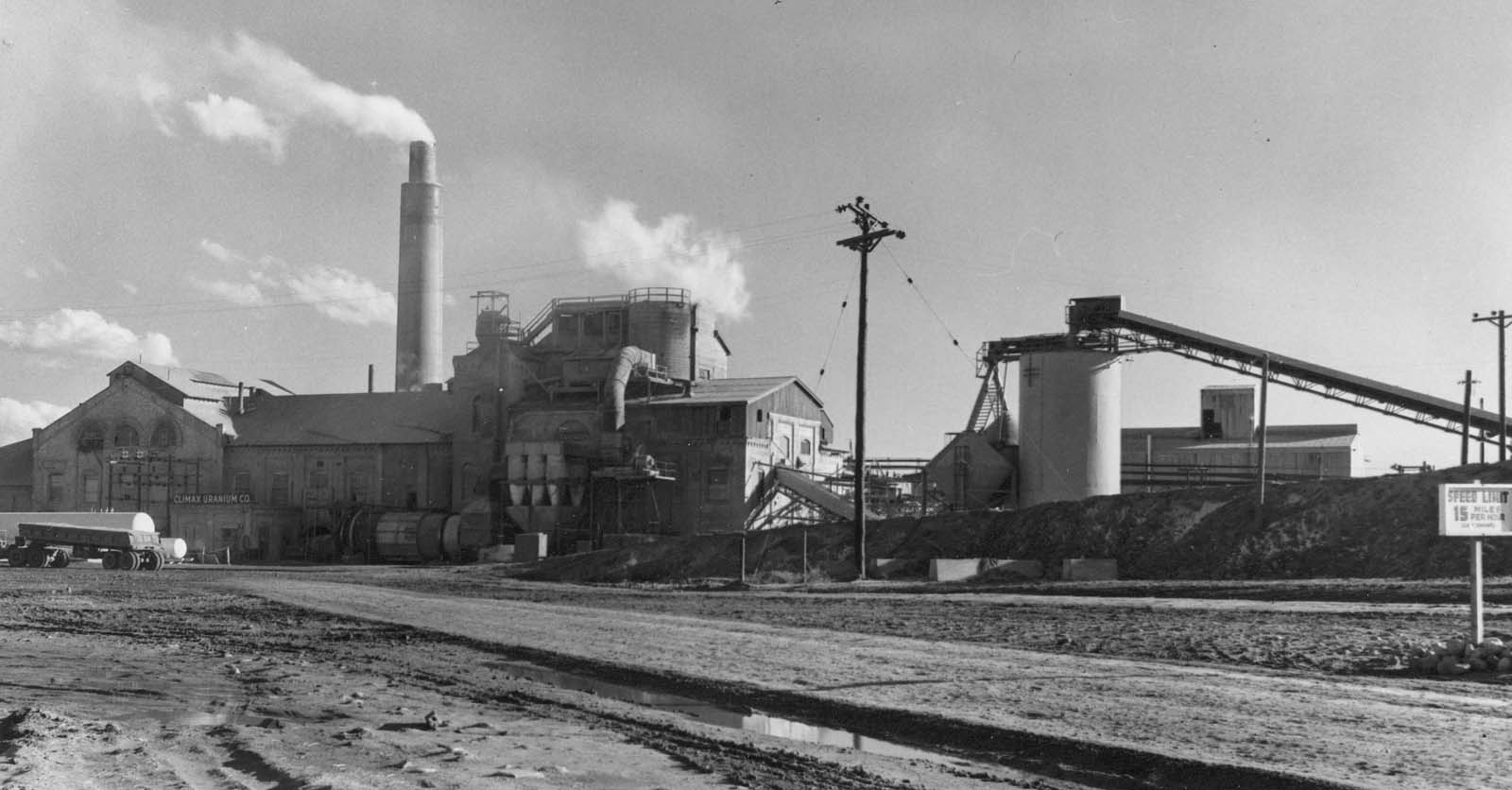
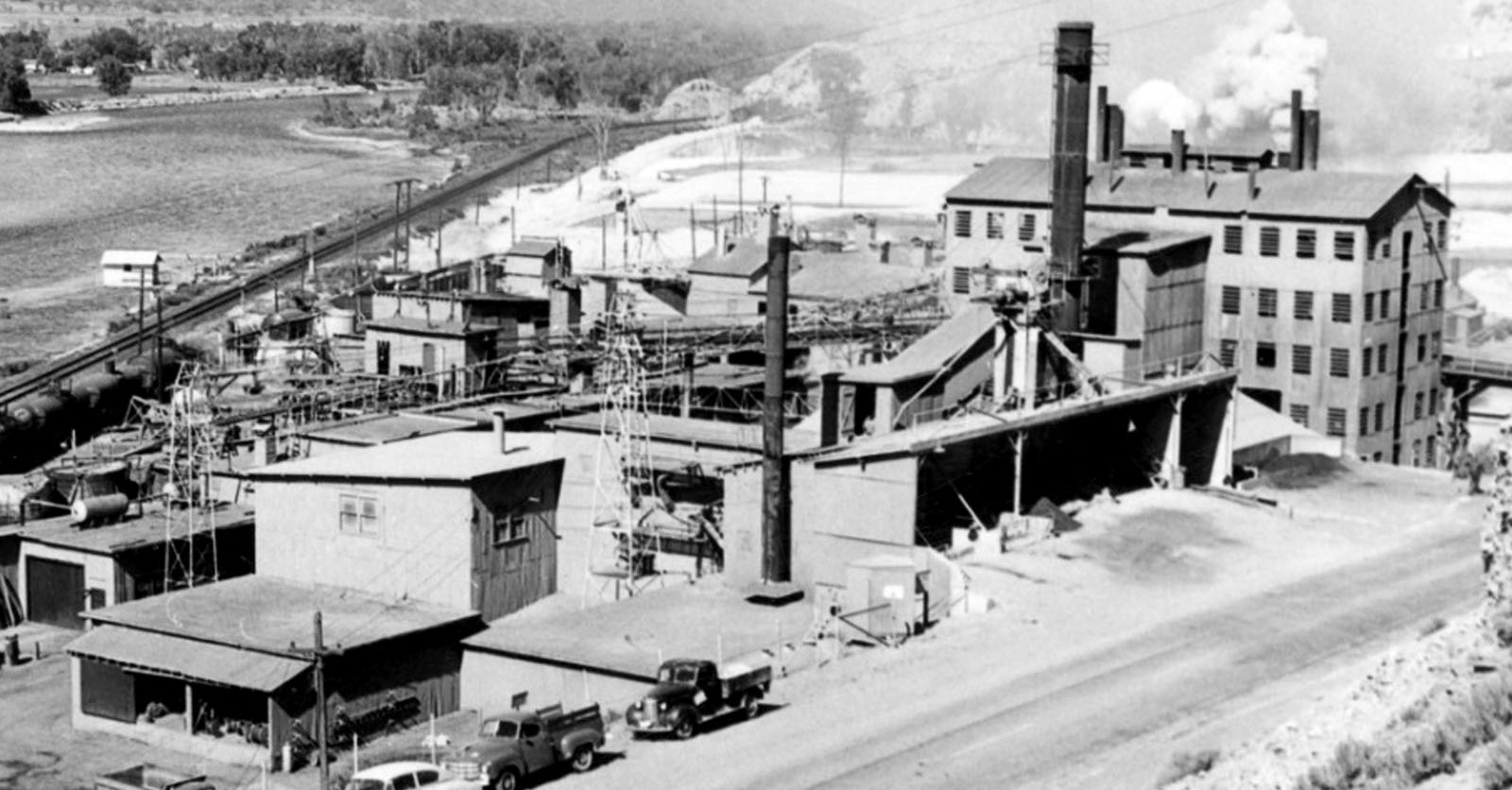
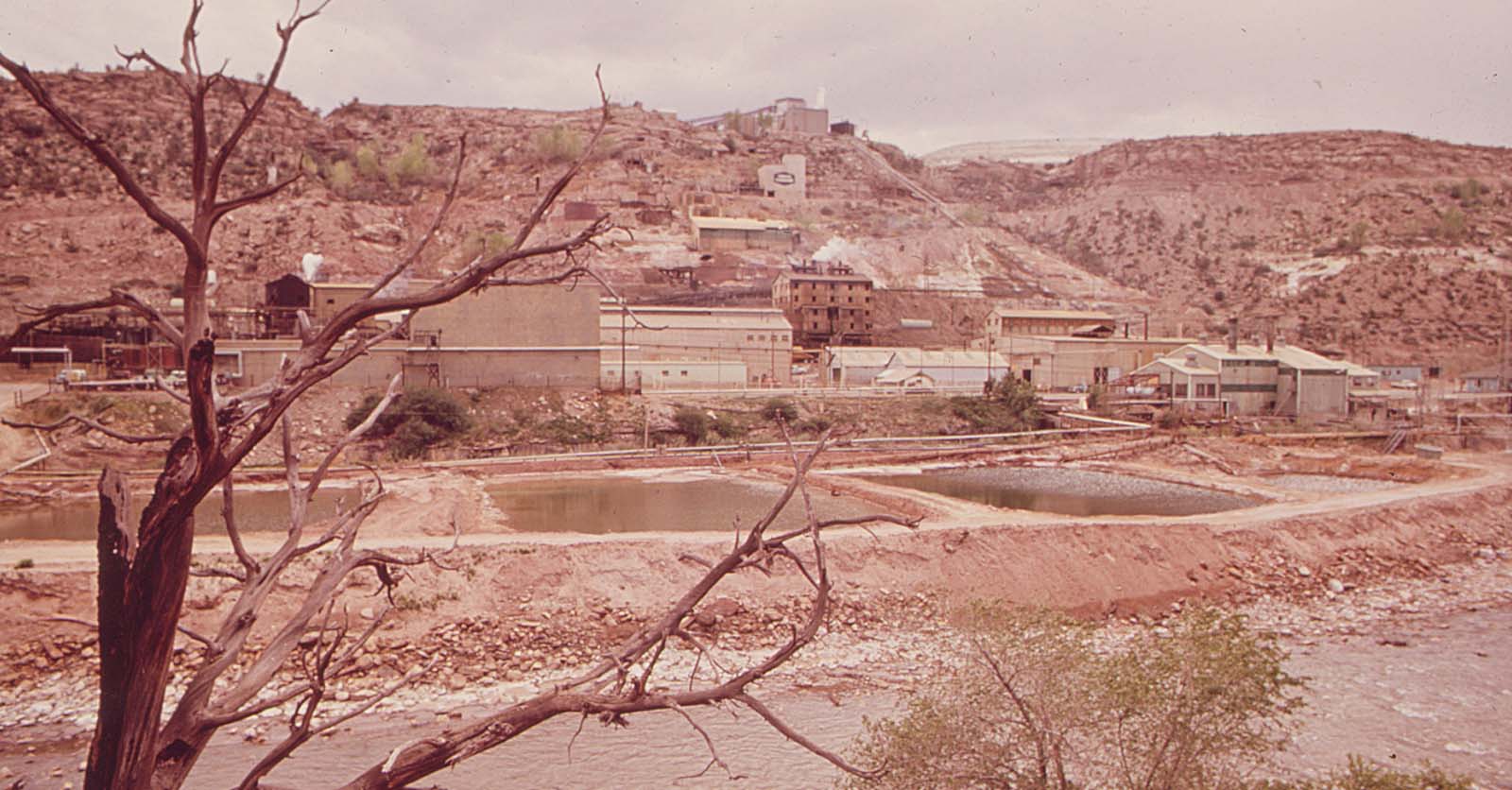
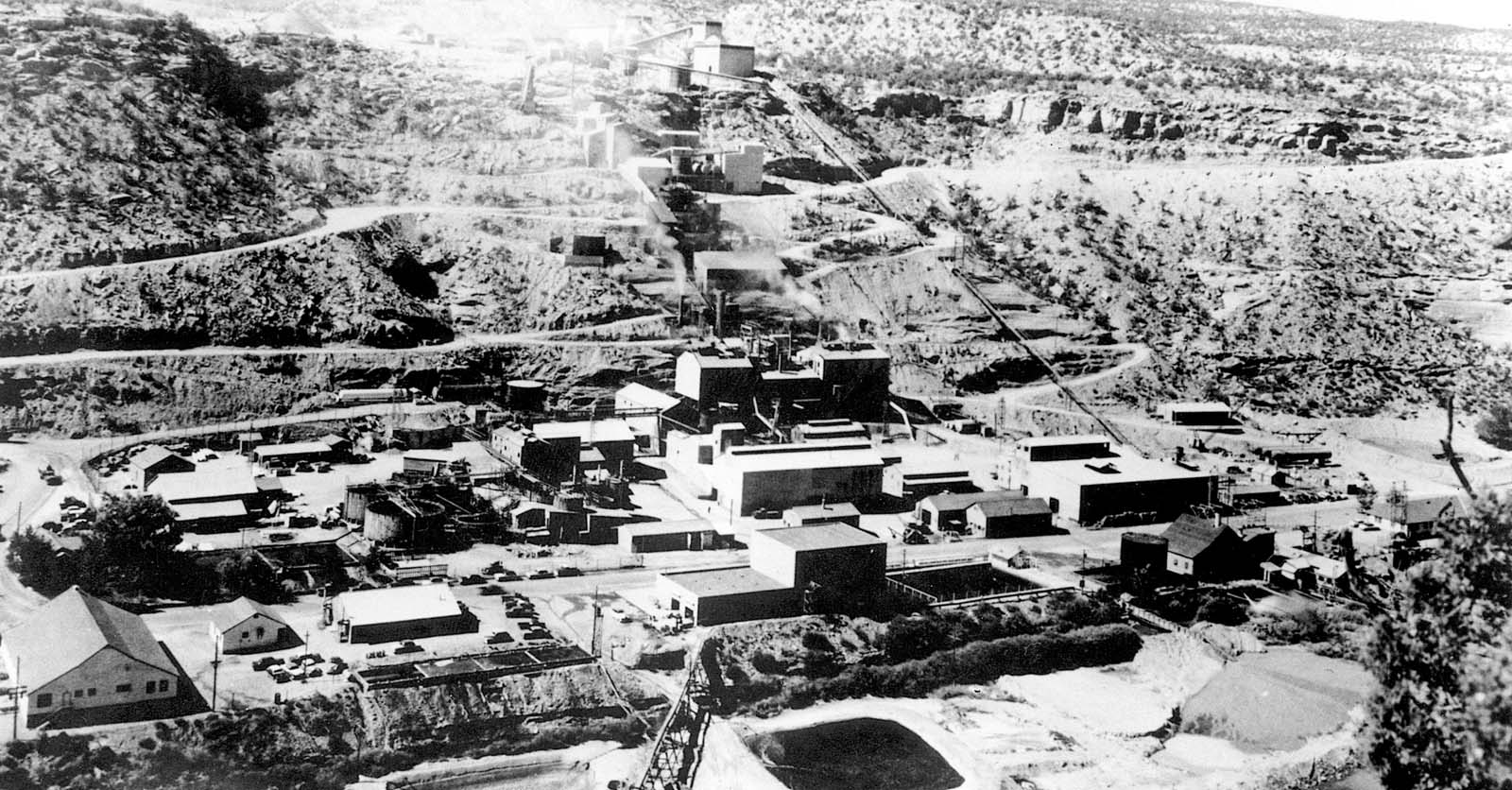
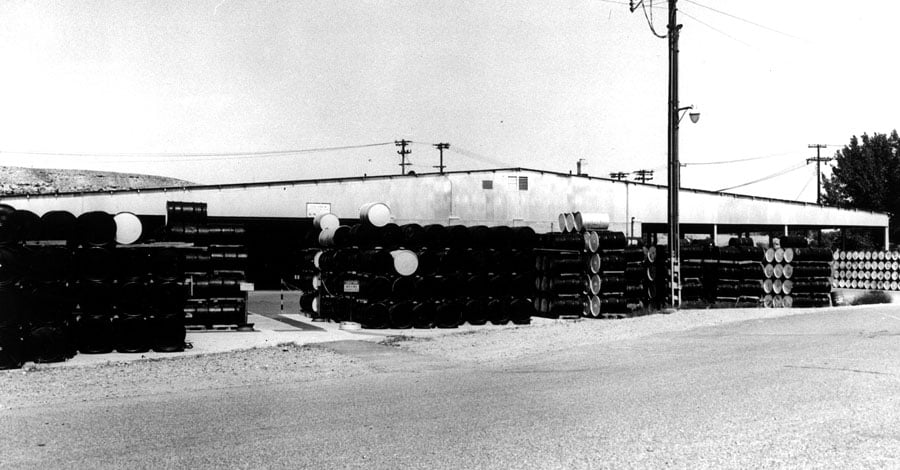
The small, northwest town of Maybell, Colorado once played a significant role in America’s Cold War nuclear program. From the late 1950’s through the mid-1960’s, the Maybell Uranium Mill processed ore sold directly to the U.S. Atomic Energy Commission (AEC), contributing to the nation’s strategic supply of uranium used in nuclear weapons and federal research. Though its years in operation were brief, the mill processed roughly 2.6 million tons of ore, leaving behind a legacy of environmental impacts, worker health concerns, and decades of cleanup efforts.
Workers from this mill and era in general often faced significant exposure to uranium dust, silica, heavy metals, and other milling byproducts. Research across the Colorado Plateau links this kind of exposure to elevated risks of lung cancer, chronic respiratory disease, and kidney damage. Public health and occupational medicine follow-ups typically point to higher risks when dust control and radiation protection were less strict.
Environmentally, the mill produced large volumes of radioactive tailings that required federal intervention to prevent radon emissions. Local soil may still contain elevated concentrations of uranium, and groundwater contamination has remained present.
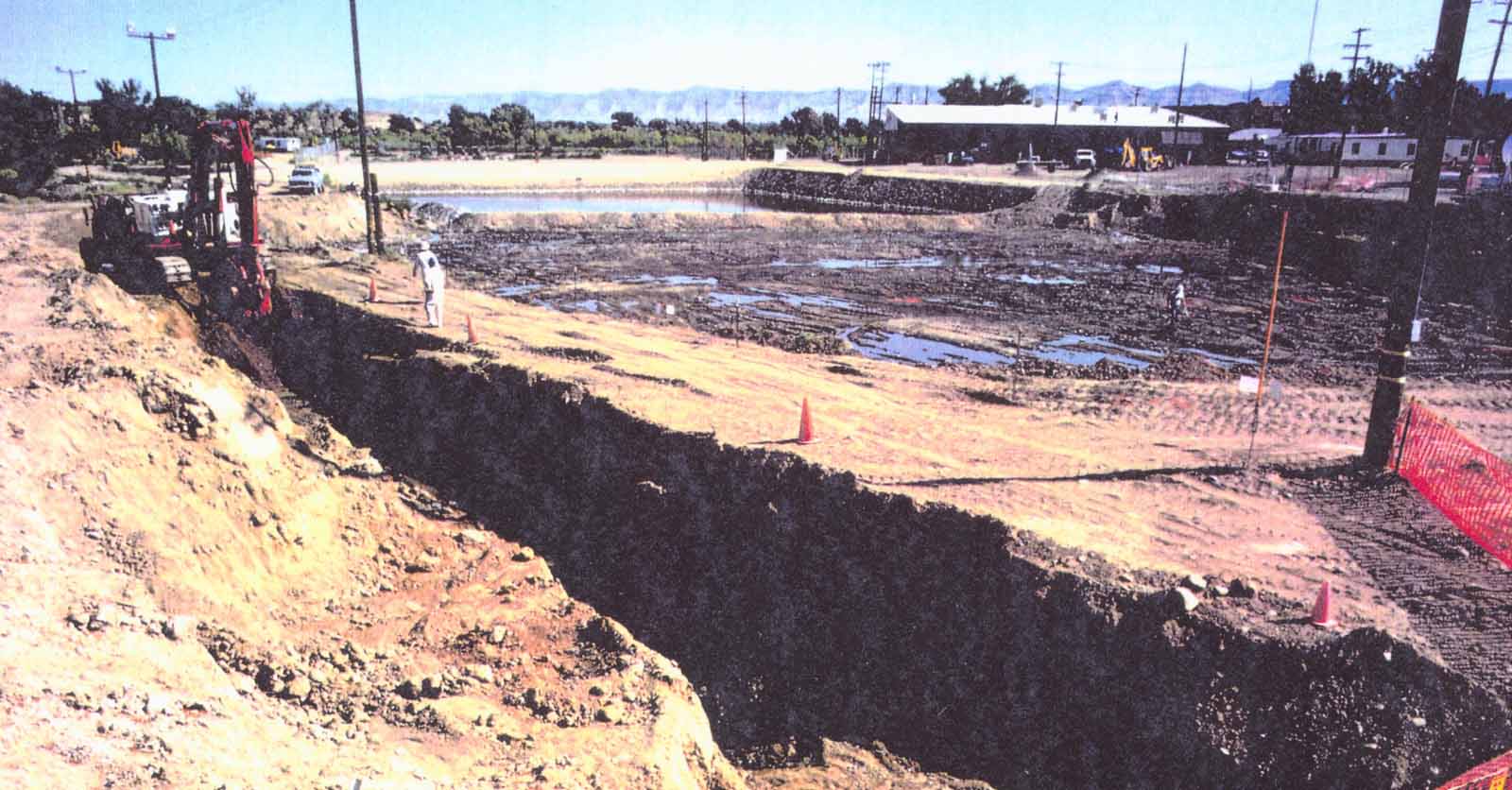
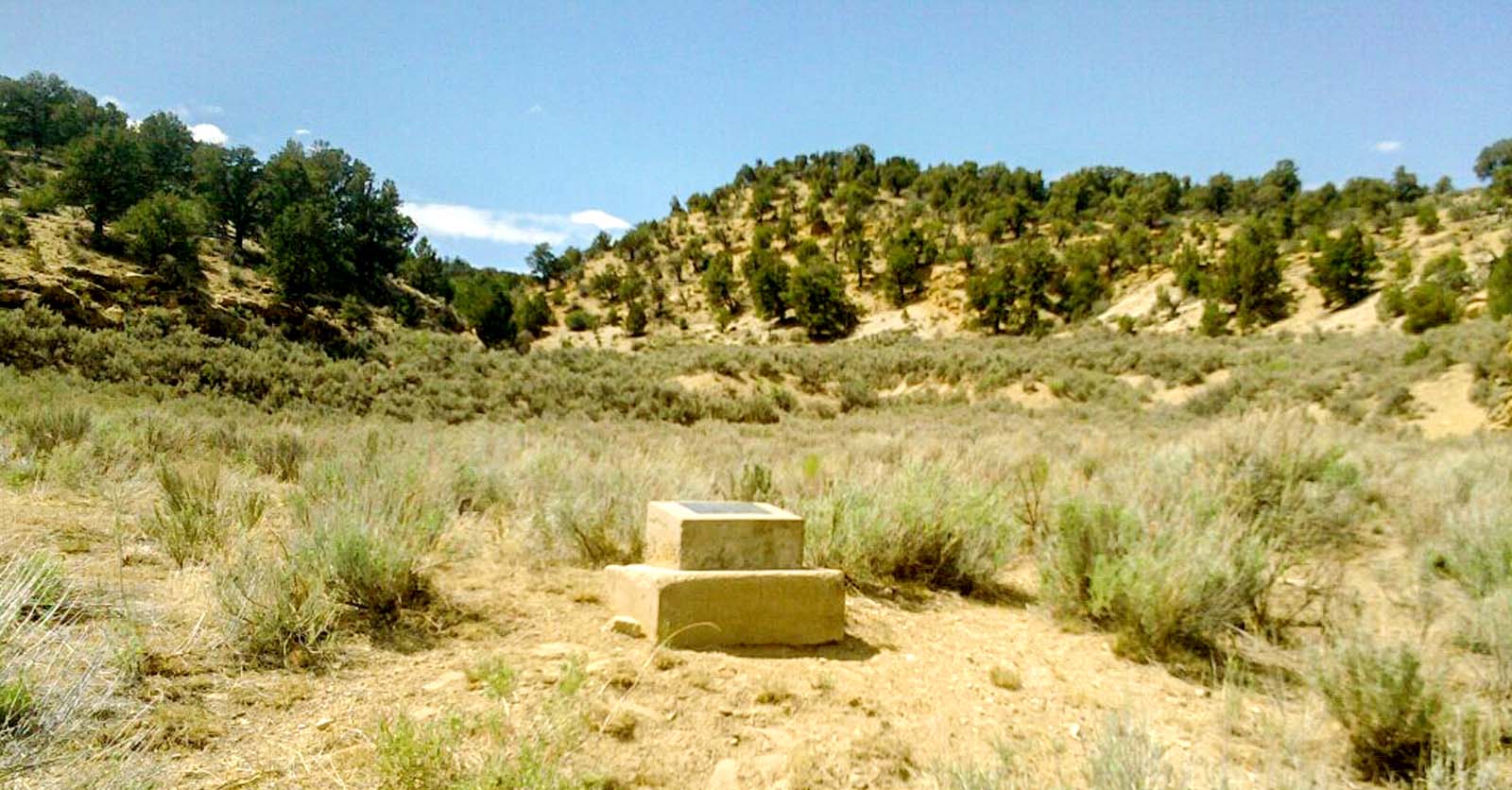
The cleanup began in 1995 under the DOE's UMTRCA program. Contaminated materials, including tailings, demolished mill debris, and polluted soil were consolidated into a specially engineered disposal cell built onsite for long-term containment. The cleanup and construction of the disposal cell were completed in 1998, and the site was licensed under the Nuclear Regulatory Commission’s general license for UMTRCA Title I sites in 1999.
Today, the Maybell site is managed by the DOE’s Office of Legacy Management for long-term surveillance and maintenance. The disposal cell and surrounding land are federally owned, and annual inspections are conducted to ensure structural integrity and environmental safety. Groundwater is monitored under a compliance strategy that relies on institutional controls rather than active remediation.
The Maybell Uranium Mill is covered under The Radiation Exposure Compensation Act (RECA).
RECA by itself provides lump sum compensation and does not cover healthcare costs. But uranium workers who are approved for RECA compensation may also qualify for lifetime healthcare benefits for covered conditions under the Energy Employees Occupational Illness Compensation Program Act or the EEOICPA White Card Program.
DOE contractors conducted environmental remediation under the Uranium Mill Tailings Radiation Control Act, addressing hazardous materials from May 1995 to September 1998. Workers involved may also qualify for lifetime healthcare benefits for covered conditions under the EEOICPA White Card Program.
As of December 2025, Maybell Uranium Mill workers have received over $800,000 in EEOICPA compensation and medical bills paid.


Let us check if you or a loved one qualifies for up to $400,000 plus free medical care in the comfort of home.
Your pathway to care starts with Trusted Ally Home Care. Get started today and let us guide you through the process of receiving the care you or a loved one deserves.
Trusted Ally Staff : Mar 28, 2025, 10:27:59 AM

Trusted Ally Staff : Jan 8, 2026, 4:30:47 PM
Trusted Ally Staff : Mar 21, 2025, 3:40:18 PM
Trusted Ally Staff : Jan 8, 2026, 10:48:04 AM
Trusted Ally Staff : Mar 17, 2025, 2:49:54 PM
Trusted Ally Staff : Apr 11, 2025, 10:37:34 AM
Trusted Ally Staff : Oct 2, 2024, 3:21:29 PM
Trusted Ally Staff : Apr 4, 2025, 11:22:39 AM